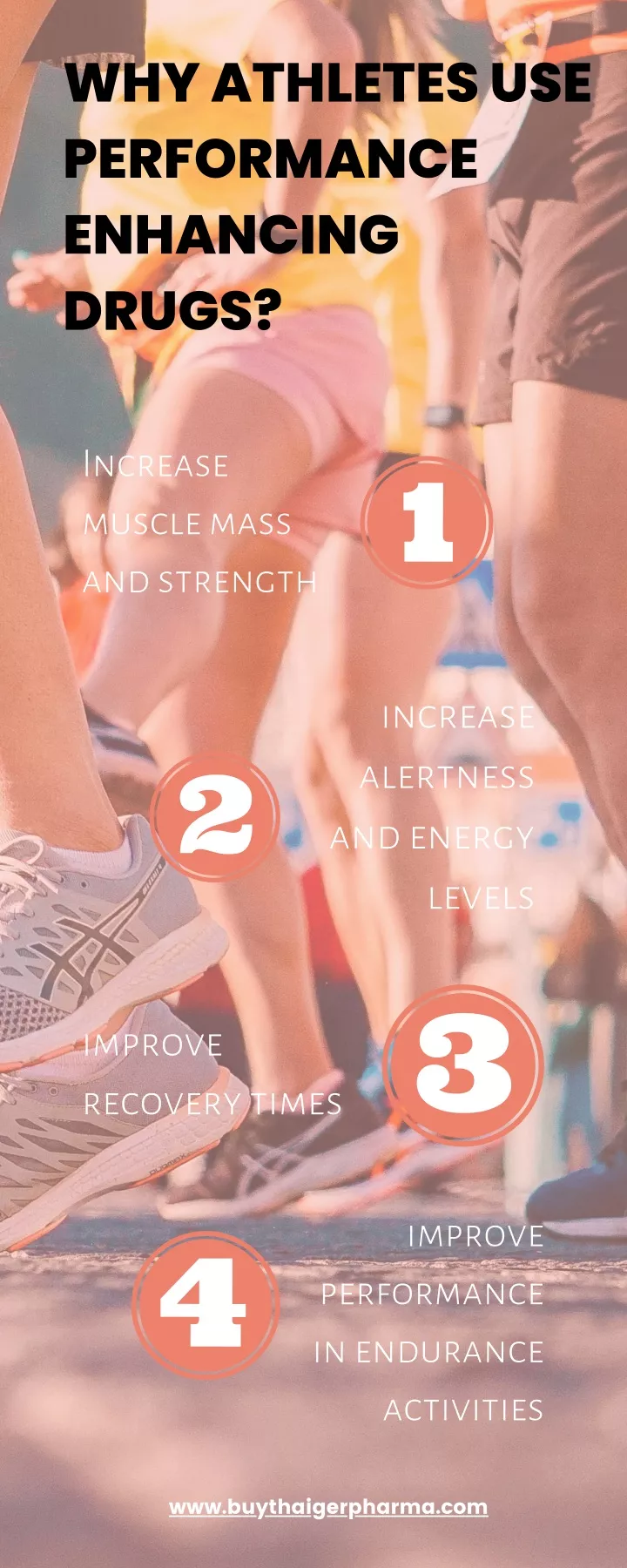
Performance Enhancement Risks: How Pharmacists Protect Athletes
The pursuit of peak human performance has evolved into a high-stakes pharmacological arms race. As athletes increasingly turn to unregulated “quick-fix” enhancements, the gap between desired gains and clinical safety has widened, placing a critical burden of oversight on the pharmaceutical community to prevent systemic organ failure and endocrine collapse.
Key Clinical Takeaways:
- Unregulated performance-enhancing drugs (PEDs) often contain contaminants or incorrect dosages, leading to acute cardiovascular distress and hepatic toxicity.
- Pharmacists serve as the primary clinical firewall, identifying contraindications and mitigating the risks of polypharmacy in athletes.
- The shift toward “designer” peptides and SARMs requires a multidisciplinary approach involving endocrinology and specialized diagnostic monitoring.
The current landscape of athletic enhancement is no longer dominated solely by traditional anabolic steroids. We are seeing a surge in the use of Selective Androgen Receptor Modulators (SARMs) and growth hormone secretagogues, often sourced from gray-market laboratories. This shift represents a significant public health risk given that these substances frequently bypass the rigorous safety protocols mandated by the FDA and the EMA. When an athlete bypasses a licensed prescriber, they forfeit the essential baseline screening—such as lipid panels and liver function tests—that prevents a performance boost from becoming a medical emergency.
The pathogenesis of PED-induced injury is often insidious. Chronic use of exogenous testosterone or SARMs can lead to the suppression of the hypothalamic-pituitary-gonadal (HPG) axis, resulting in profound hypogonadism once the substance is withdrawn. The risk of erythrocytosis—an overproduction of red blood cells—increases blood viscosity, significantly elevating the probability of ischemic stroke or myocardial infarction. For athletes exhibiting signs of hormonal imbalance or unexpected cardiovascular strain, immediate intervention by board-certified endocrinologists is required to manage hormone replacement therapy (HRT) and restore homeostatic balance.
“The danger isn’t just the drug itself, but the lack of pharmacological oversight. We are seeing patients present with acute kidney injury and liver failure not because of a known side effect, but because of heavy metal contaminants in underground lab products.” — Dr. Elena Rossi, PhD in Clinical Pharmacology.
The Pharmacist as the Clinical Gatekeeper
In a “quick-fix” era, the pharmacist’s role has shifted from simple dispensing to critical triage. The complexity of modern PED stacks—often combining diuretics, stimulants, and peptides—creates a volatile environment for drug-drug interactions. A pharmacist trained in sports medicine can identify when a supplement’s “proprietary blend” contains undisclosed pharmaceutical agents that may cause severe hypertension or tachycardia.

This systemic risk is highlighted in research published by the National Library of Medicine (PubMed), which emphasizes that the lack of standardization in non-prescription PEDs leads to unpredictable bioavailability, and toxicity. Many of these substances are developed in unregulated environments without the double-blind placebo-controlled trials necessary to establish a safe therapeutic window. When athletes experience adverse reactions, they often seek clandestine facilitate rather than professional medical care, delaying the diagnosis of morbidity-inducing conditions.
To combat this, healthcare systems are integrating more robust monitoring protocols. For those who have already engaged in unregulated enhancement and are now experiencing systemic symptoms, It’s imperative to seek comprehensive metabolic screening. Utilizing advanced diagnostic imaging and pathology centers allows for the early detection of left ventricular hypertrophy or hepatic steatosis before they progress to irreversible organ damage.
Epidemiological Trends and Regulatory Gaps
The rise of “wellness clinics” offering peptides like BPC-157 or TB-500 has blurred the line between therapeutic recovery and illicit enhancement. Even as some of these compounds demonstrate promise in animal models for tissue repair, the N-values in human clinical trials remain insufficient to guarantee long-term safety. Most of these emerging therapies are funded by private biotech startups rather than public grants, which can sometimes lead to an optimistic bias in reported efficacy while downplaying potential contraindications.
“We are operating in a regulatory vacuum. The speed at which new synthetic analogs enter the market far outpaces the ability of anti-doping agencies and health regulators to develop reliable detection and safety assays.” — Dr. Marcus Thorne, Epidemiologist specializing in Substance Misuse.
The morbidity associated with these trends is not limited to the physical. The psychological impact of “muscle dysmorphia” often drives athletes to ignore early clinical warning signs, such as edema or jaundice, in pursuit of an unattainable physique. This behavioral pattern necessitates a holistic approach to care, combining pharmacological intervention with psychological support. In cases where illegal substance procurement has led to legal complications or regulatory scrutiny, athletes and clinic owners are increasingly relying on healthcare compliance attorneys to navigate the complex intersection of medical ethics and sports law.
The Future of Performance Medicine
The trajectory of sports science is moving toward “precision enhancement”—the use of genetic profiling to determine how an individual will respond to specific stimuli. However, until What we have is standardized as the standard of care, the risks of the “quick-fix” mentality remain high. The goal must be to transition athletes from the shadows of the black market into the light of clinical supervision. By centering the pharmacist and the physician in the athlete’s care circle, People can mitigate the risk of sudden cardiac death and chronic endocrine failure.
As we move toward 2027, the integration of real-time biometric monitoring and rigorous pharmaceutical screening will be the only way to ensure that the pursuit of excellence does not come at the cost of longevity. For any athlete or practitioner concerned about the long-term effects of performance enhancers, the first step is a comprehensive clinical audit. We strongly encourage the use of our directory to find internal medicine specialists who can provide the necessary baseline screenings and detoxification protocols to ensure a safe return to health.
Disclaimer: The information provided in this article is for educational and scientific communication purposes only and does not constitute medical advice. Always consult with a qualified healthcare provider regarding any medical condition, diagnosis, or treatment plan.