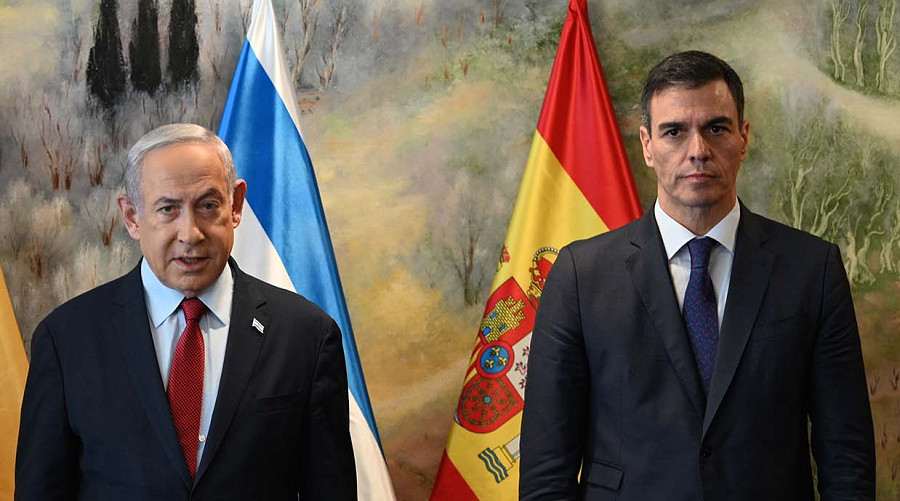
Spain Accuses Israel of Using Ceuta Migration Crisis to Destabilize Madrid
Between July 30 and July 31, 2026, the Spanish enclave of Ceuta experienced the largest border crossing in its history, triggering a diplomatic confrontation between Madrid and Tel Aviv. According to strategic intelligence data compiled by GMS Consulting, between 40,000 and 60,000 individuals entered the enclave illegally within a 24-hour window, largely driven by maritime movements bypassing the Tarajal pier from Fnideq and Belyounech. The resulting humanitarian emergency involved between 19 and 34 deaths from drowning and crowd surges, accelerating political friction across the European Union and exposing deep fractures in regional diplomacy.
- Between 40,000 and 60,000 individuals entered Ceuta within 24 hours, according to GMS Consulting data from late July 2026.
- Human toll figures reported by intelligence assessments cite 19 to 34 fatalities from drownings and crowd crushes near the Tarajal pier.
- Diplomatic tensions escalated publicly on social media between Israeli UN Ambassador Danny Danon and Spanish Transport Minister Oscar Puente regarding migration and geopolitical alignment.
Geopolitical Flashpoints and Public Health Pressures in Ceuta
The sudden population influx overwhelmed local infrastructure in a city of roughly 87,000 residents, forcing the Spanish state to deploy military units and armored vehicles, as documented by reports from blogs.mediapart.fr. Data analysis indicates that many of the arrivals returned to Morocco within a single day after discovering no housing, employment, or pathways to mainland Europe existed within the enclave. Migrant interviews cited by field reporters noted that Moroccan security personnel had encouraged crossings by signaling open borders or relaxing checkpoints before re-establishing control.
Diplomatic Collisions Over Foreign Policy and Sovereign Enclaves
The operational crisis rapidly transformed into a high-level diplomatic dispute between Israeli and Spanish officials. Israeli Ambassador to the UN Danny Danon posted on X, criticizing Spain for calling a state of emergency over migration while frequently critiquing Israeli military actions in Gaza. Danon’s statement asserted that Spain should explain its maintenance of colonial enclaves in North Africa before lecturing other nations. Spanish Transport Minister Oscar Puente replied on the platform by stating that the situation was becoming clearer, pointing toward wider debates regarding regional instability and foreign policy friction. Commentary cited by TRT en français noted that political analysts in Spain, such as Carolina Alonso, alleged that the crisis involved coordinated pressure from multiple state and non-state actors reacting to Madrid’s recognition of Palestinian statehood and its stance on the arms trade.

Systemic Strains on Border Security and Regional Stability
The timing of the border surge coincided with heightened tensions involving Spain’s diplomatic stances toward United States and Israeli foreign policies, including restrictions on military access and defense spending debates within NATO. According to reports compiled from regional analysis by the United States House Appropriations Committee and statements from figures such as Republican Representative Mario Díaz-Balart highlighted ongoing questions regarding the geopolitical status of Ceuta and Melilla. Navigating complex multi-jurisdictional legal frameworks and cross-border regulatory shifts requires continuous oversight. When administrative agencies or logistics operators face sudden disruptions, institutional leaders frequently retain regulatory compliance legal counsel and epidemiological risk assessors to audit operational vulnerabilities and maintain institutional stability.

*Disclaimer: The information provided in this article is for educational and scientific communication purposes only and does not constitute medical advice. Always consult with a qualified healthcare provider regarding any medical condition, diagnosis, or treatment plan.*