
the demand for long-term care is steadily increasing as the population ages, placing meaningful strain on both individuals and the healthcare system. Medicaid plays a crucial role in financing home and community-based services (HCBS), providing essential support to over 5.1 million enrollees as of recent estimates from the Kaiser Family Foundation (KFF) . Unlike Medicare, which generally doesn’t cover these services, medicaid covered approximately two-thirds of all home care spending in the United States in 2023 . This article delves into the landscape of Medicaid home care, focusing on the growing trend of self-direction and the vital support provided to family caregivers, while also examining potential impacts of recent legislative changes.
The Rise of Self-Direction in Medicaid Home Care
A key feature of modern Medicaid home care is the increasing emphasis on self-direction.This approach empowers individuals to have greater control over their care, allowing them to choose the services they need and select their own providers . Self-direction originated from the consumer-directed movement of the 1990s, initially funded by grants from the Robert Wood Johnson Foundation, and has since become a prominent feature of many state Medicaid programs.
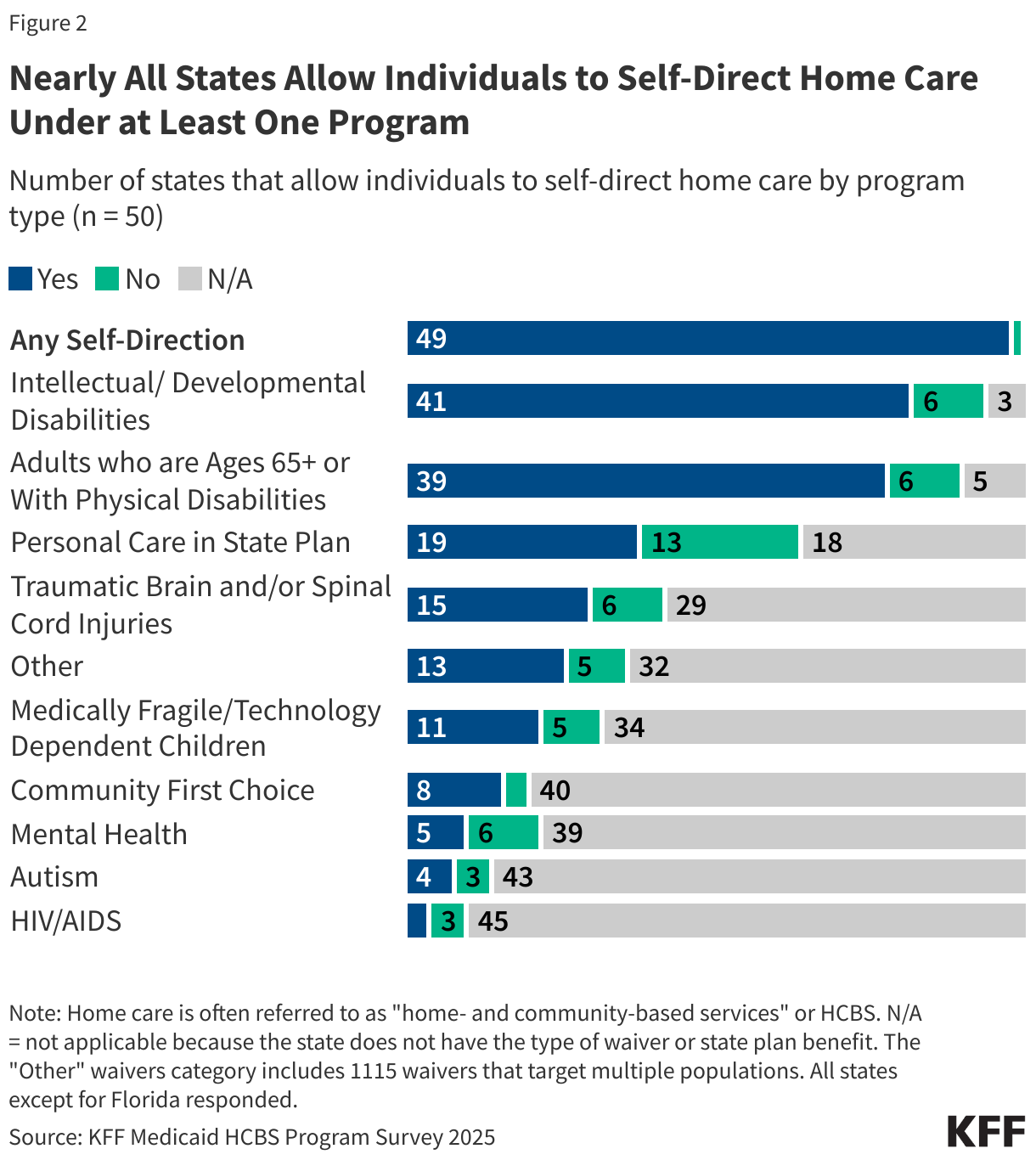
Recent data from a KFF survey of state Medicaid officials reveals that nearly all states – with Alaska being the sole exception – permit some form of self-direction within their home care programs . Crucially, in states offering self-direction, enrollees are consistently granted the authority to select, train, and dismiss their caregivers, effectively acting as their own employers. Furthermore, a significant majority of states (41) allow enrollees to establish payment rates for their caregivers, and 39 allow them to determine how Medicaid funds are allocated among various authorized services.
Supporting Family Caregivers: A Critical Component of Home Care
The provision of home care often relies heavily on the contributions of family caregivers, who provide unpaid support to loved ones. Recognizing this, Medicaid increasingly supports these caregivers thru various means. All responding states in the KFF survey reported paying family caregivers under certain circumstances, and all offer additional support services, including respite care .
Payments to family caregivers are most prevalent in waivers designed for individuals with intellectual or developmental disabilities (I/DD). However, legal complexities exist regarding payments to “legally responsible relatives” (spouses, parents of minor children), with stricter regulations in place compared to payments to other family members or friends. These regulations stem from concerns about potential conflicts of interest and ensuring appropriate care standards.
Beyond direct financial compensation, Medicaid offers a range of support services for family caregivers, including respite care – providing temporary relief to prevent burnout – caregiver training, and access to support groups. Respite care is particularly vital,as Medicare coverage is limited to those receiving hospice care ,leaving Medicaid as the primary source of respite care for many families.
Structured Family Caregiving: An Innovative approach
Eleven states have implemented “structured family caregiving” programs, offering a unique approach to supporting family caregivers. These programs provide a daily stipend to family members in exchange for providing care, overseen by a provider agency that offers care coordination, nursing support, and regular home visits . Payments typically range from $40 to $70 per day, offering a significant financial contribution to families.
Potential Impacts of the 2025 Reconciliation Law
The landscape of Medicaid home care is poised for change with the implementation of the 2025 reconciliation law, which is projected to reduce federal Medicaid spending by $911 billion over the next decade . Given that a substantial portion of Medicaid funding is allocated to home care, these cuts could lead to reductions in program availability and support for both recipients and family caregivers.
These potential cuts are particularly concerning considering existing workforce shortages in the home care sector, which are further exacerbated by immigration policies impacting the significant proportion of immigrant workers in this field . Reduced funding could limit access to care, increase the burden on family caregivers, and potentially lead to more individuals requiring institutional care.
Furthermore, approximately 8 million family caregivers rely on Medicaid as their source of health insurance , making them particularly vulnerable to any changes in medicaid eligibility or benefits.
Looking Ahead: Ensuring Sustainable Support for Home Care
The future of Medicaid home care hinges on addressing the challenges posed by funding cuts, workforce shortages, and the evolving needs of a growing aging population. maintaining robust support for family caregivers is paramount, as they provide an invaluable service that enables individuals to remain in their homes and communities. Innovative approaches like structured family caregiving demonstrate the potential for providing meaningful financial and emotional support to those who dedicate their time and energy to caring for loved ones.
Continued monitoring of state-level policies and the impact of the 2025 reconciliation law will be crucial to ensure that Medicaid continues to fulfill its vital role in providing accessible and affordable home care services for those who need them most. Investing in the home care workforce, streamlining administrative processes, and exploring innovative financing models will be essential to building a sustainable and equitable system of long-term care.
