
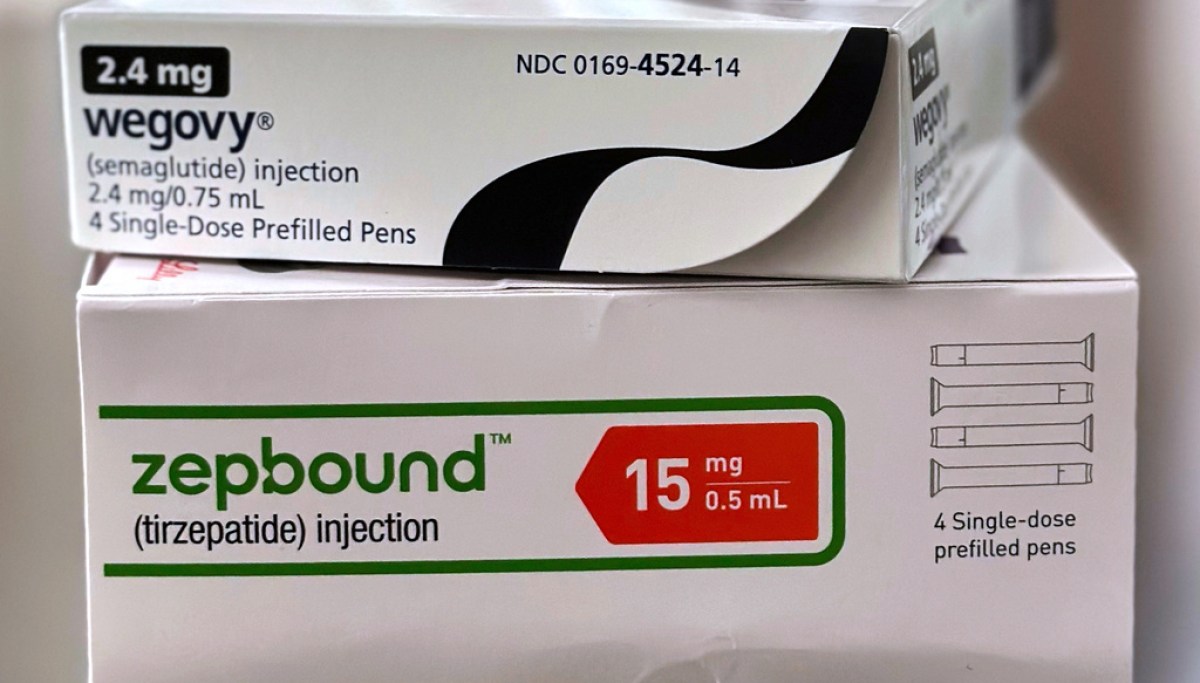
Medicaid Costs Soar as Ozempic & Weight Loss Drugs Strain State Budgets
State Medicaid programs are facing increasing financial strain from the rising costs of popular weight loss drugs like Wegovy and Zepbound, with combined expenses reaching nearly $2.7 billion in 2025 for the 17 states that covered them, according to a novel analysis from Indiana University researchers.
The analysis, published by the National Bureau of Economic Research, examined Medicaid drug usage data to estimate the costs associated with GLP-1 medications. California accounted for the largest share of these costs, exceeding $1 billion annually. The findings come as several states are re-evaluating their coverage policies due to budgetary pressures.
Medicaid, the nation’s largest source of health insurance, covers nearly 80 million Americans, including a significant proportion of adults with obesity – roughly 40 percent of adult Medicaid patients have a body mass index (BMI) over 30. While these drugs, originally developed to treat Type 2 diabetes, have demonstrated clinical benefits beyond weight loss, including reduced risk of heart attack, stroke, and kidney disease, their high price tag – ranging from $900 to $1,300 per month without insurance – is prompting difficult decisions for state budgets.
As of January 2026, four states – California, Pennsylvania, New Hampshire, and South Carolina – had already ended or restricted coverage for Wegovy, citing budget constraints, according to reporting from Find Honest Care. Pennsylvania’s Medicaid coverage of these drugs is projected to cost $1.3 billion in 2025, contributing to a multibillion-dollar budget deficit, according to the Associated Press.
The Indiana University researchers, led by Professor Coady Wing, used data from the Centers for Medicare and Medicaid Services and estimated discounts provided by Novo Nordisk, the manufacturer of Wegovy, to determine net costs for each state. They found that states experienced an average increase of roughly $750 per 100 enrollees each month when covering the drug. The researchers also modeled the potential costs for the 33 states that do not currently cover GLP-1s, estimating a combined annual expenditure exceeding $3.6 billion if they were to adopt coverage.
While covering these medications could potentially prevent costly complications associated with obesity, such as heart disease and diabetes, economic modeling suggests that the cost savings may not materialize in the short to medium term. The Congressional Budget Office found in 2024 that expanding Medicare coverage to include GLP-1s for weight loss would result in a net cost of $35 billion over ten years, with $38 billion spent on the drugs and only $3 billion in offsetting health savings.
A separate working paper by Wing and his colleagues, analyzing data from private employer-sponsored insurance, yielded similar results, finding that starting GLP-1 treatment adds approximately $100 per month to a patient’s out-of-pocket costs over five years. Wing cautioned against assuming cost savings from the drugs, stating that policymakers should focus on whether the medications are “worth it on their own,” given their price.
The FDA recently approved higher-dose versions of GLP-1 medications for obesity treatment, potentially increasing demand and further impacting state Medicaid budgets. As of March 24, 2026, no coordinated national policy response has been announced, and states continue to grapple with individual solutions to manage the financial implications of these increasingly popular drugs.