Measles Deaths Reported in Pennsylvania for First Time in 35 Years
Pennsylvania health authorities confirmed that two individuals have died due to measles, marking the first fatalities from the virus in Pennsylvania in 35 years. The deaths occurred in Lancaster County, an area with documented lower-than-average immunization coverage. These incidents follow a broader, multi-year surge in measles cases across the country, which reached record levels in 2025 and has continued to climb throughout 2026.
- Measles, once declared eliminated in the U.S. in 2000, has returned due to declining vaccination rates and increased vaccine hesitancy.
- The recent fatalities in Pennsylvania involved unvaccinated individuals, highlighting the severe risk of complications like pneumonia and inflammation of the brain in non-immunized populations.
- Public health data indicates that over 2,770 confirmed cases have been recorded in 2026, surpassing the previous record-breaking total of 2,289 cases seen in 2025.
Epidemiological Context and the Return of Measles
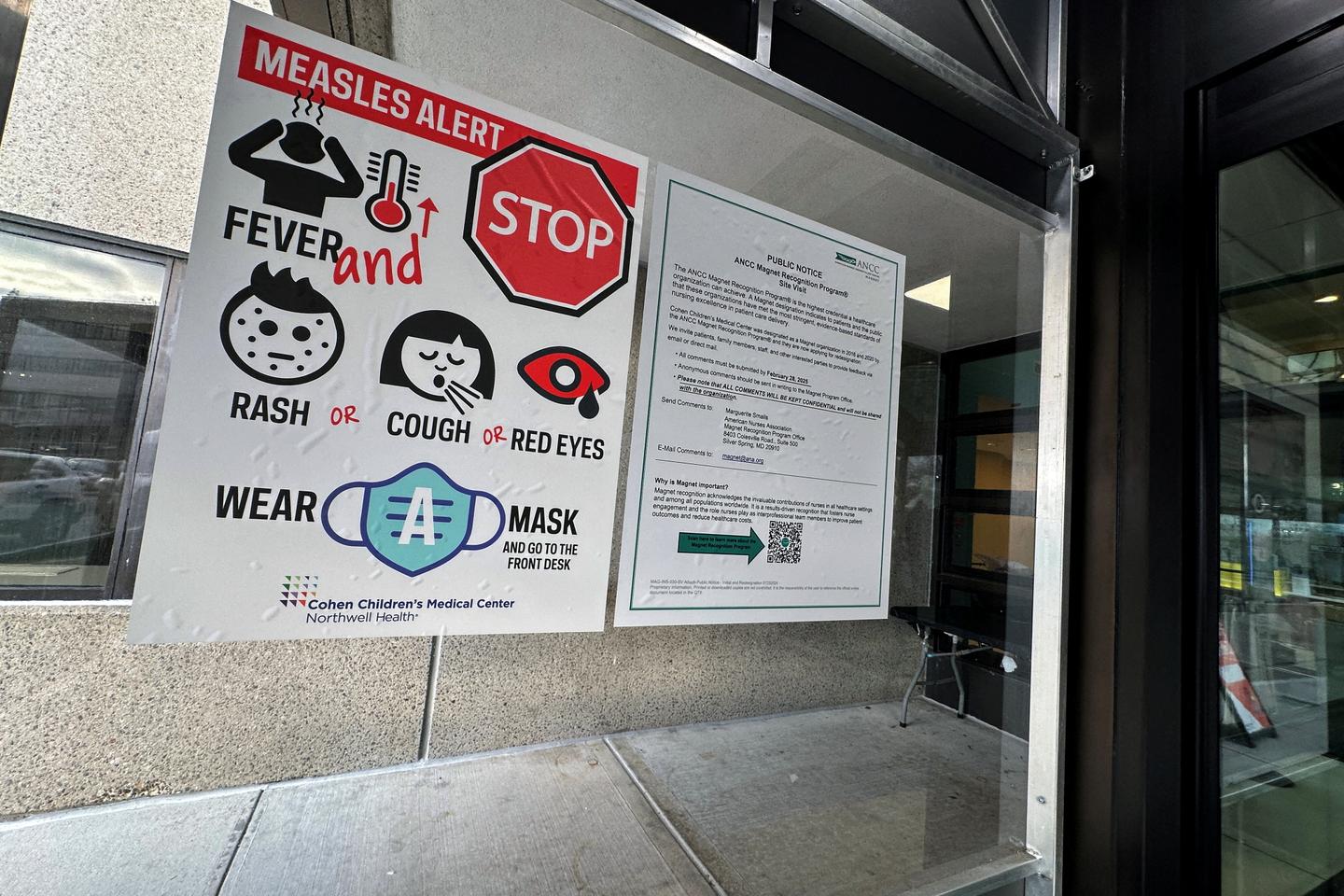
The measles virus, a highly contagious pathogen, is currently circulating at levels not seen in over three decades. The current outbreak began in 2025 and has resulted in five total deaths, including two children. The clinical presentation of these cases typically includes fever, respiratory symptoms, and skin rashes. In severe instances, the virus causes life-threatening complications such as pneumonia and inflammation of the brain, which can lead to grave sequelae or death.
The resurgence of the disease is largely attributed to a widening gap in population-level immunity. While the vaccine remains the gold standard for prevention, non-medical exemptions—granted for religious or philosophical reasons—have seen a marked increase following the COVID-19 pandemic. For families or individuals concerned about their current immunization status or those seeking to verify their titers, it is essential to consult with board-certified infectious disease specialists or local community health clinics to ensure adherence to the CDC-recommended immunization schedule.
Clinical Implications of Vaccination Declines
The pathogenesis of measles remains unchanged; it remains a vaccine-preventable disease. The current mortality event in Pennsylvania underscores the critical nature of herd immunity. Andrew Racine, president of the American Academy of Pediatrics (AAP), noted that witnessing deaths from a disease preventable by a vaccine in use since the 1970s is a significant public health failure. The AAP continues to emphasize the importance of vaccination to maintain elimination status.
Healthcare providers are currently facing a complex environment where patient trust in medical institutions has been eroded by the proliferation of medical misinformation. For practitioners managing patients who present with symptoms of exanthematous disease, early diagnostic testing and isolation protocols are mandatory. Medical facilities requiring assistance in updating their patient outreach or clinical compliance protocols may leverage services from specialized healthcare management consultants to bridge the communication gap between clinical evidence and community skepticism.
Monitoring the Viral Trajectory
The trajectory of the 2026 outbreak suggests that the pathogen is finding vulnerable pockets within the population where vaccination rates have dipped below the threshold required to halt transmission. Unlike seasonal influenza or other respiratory viruses, measles requires a high degree of sustained immunity to prevent localized outbreaks from turning into regional crises. As the U.S. health infrastructure grapples with this shift, the focus remains on identifying high-risk communities and providing targeted, evidence-based education regarding the safety and efficacy of the vaccine.

For diagnostic centers and clinical laboratories, the surge in suspected cases necessitates robust supply chains for rapid PCR testing. Ensuring that your facility maintains the diagnostic capacity to differentiate measles from other viral exanthems is paramount. Clinical administrators looking to optimize their diagnostic laboratory workflows should prioritize the implementation of rapid-turnaround molecular assays to ensure timely case reporting to state health departments.
As the medical community evaluates the long-term impact of this outbreak, the primary objective remains the re-establishment of robust, evidence-based vaccination programs. The data confirms that the current surge is not a reflection of vaccine failure, but rather a reflection of the consequences of diminished uptake. Ongoing surveillance and rigorous adherence to clinical guidelines remain the most effective tools in mitigating the morbidity and mortality associated with this preventable infection.
Disclaimer: The information provided in this article is for educational and scientific communication purposes only and does not constitute medical advice. Always consult with a qualified healthcare provider regarding any medical condition, diagnosis, or treatment plan.