Hibernating Mice Rapidly Remodel Brain Connections to Preserve Memory
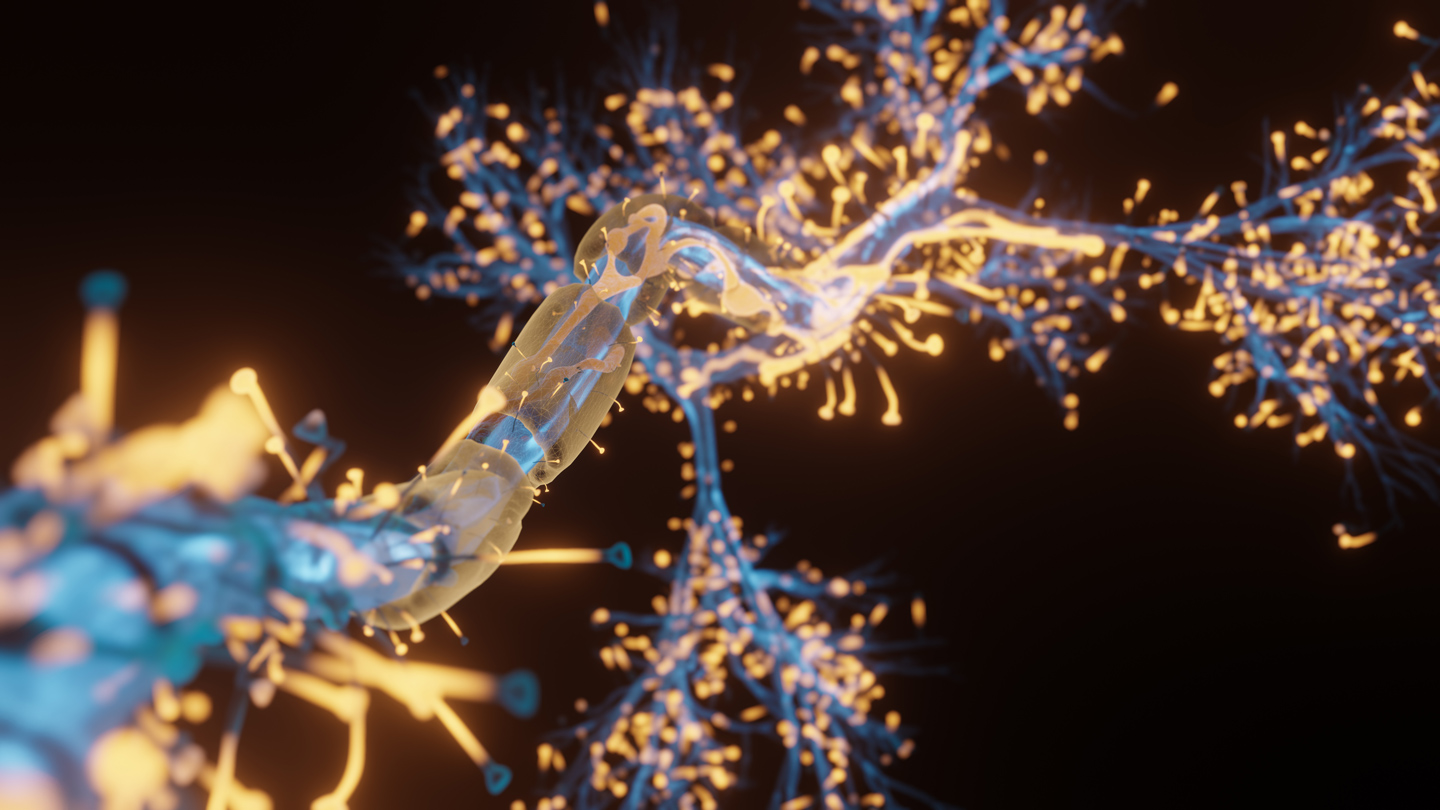
New research indicates that hibernating mammals possess a biological mechanism to preserve memory during extended periods of torpor, despite widespread synaptic remodeling. A study published in the journal Science reveals that while hibernating mice undergo a rapid loss and subsequent regrowth of approximately 50% of the connections in their hippocampal memory centers, specific synaptic hubs remain stable to ensure cognitive continuity.
Key Clinical Takeaways:
- Hibernating mice lose roughly half of their synaptic connections during torpor but regrow them rapidly upon awakening.
- Certain “hub” synapses remain intact throughout the hibernation cycle, which researchers believe acts as a scaffold for memory retention.
- This discovery provides a potential biological foundation for understanding neuroprotection in humans, particularly regarding neurodegenerative conditions like Alzheimer’s disease.
The research, funded in part by the National Institutes of Health (NIH), challenges previous assumptions that memory storage requires a constant, static neural architecture. By utilizing advanced imaging techniques, the study team mapped the brain’s plasticity during the metabolic suppression of hibernation. Dr. Elena Rodriguez, a neurobiologist not involved in the study, notes, “The ability of the mammalian brain to prune and restore such a high volume of synaptic connections without compromising long-term data storage is a significant departure from our understanding of standard synaptic homeostasis.”
The Mechanism of Synaptic Resilience
During deep hibernation, the core body temperature of the mice dropped significantly, leading to a profound reduction in metabolic activity. The researchers observed that while the majority of dendritic spines—the small protrusions on neurons where synapses form—retracted, the connectivity patterns within specific memory-related circuits were preserved by specialized, stable synapses. These hubs appear to function as a “memory map,” allowing the brain to rebuild its complex network accurately once the organism returns to a homeostatic state.
This process of synaptic pruning and recovery is not unlike the neuroplasticity observed in younger brains, yet it occurs here as a survival adaptation. For patients experiencing cognitive decline or those seeking to monitor neurological health, understanding these pathways is essential. If you or a loved one are concerned about memory retention or neurological changes, it is critical to consult with board-certified neurologists who specialize in neurodegenerative diagnostics and cognitive health monitoring.
Implications for Human Neuroprotection
Translating these findings to human clinical applications remains a long-term goal. Researchers suggest that identifying the molecular triggers that stabilize these synaptic hubs could lead to new therapeutic targets for preventing neuronal loss in diseases characterized by synaptic degradation. Current clinical standards for neuroprotection focus largely on inflammation and protein aggregation, such as amyloid-beta plaques. This new data suggests that focusing on the structural stabilization of synaptic networks could represent a shift in the standard of care.
The research highlights that the brain’s ability to “hibernate” its connections is highly dependent on the metabolic environment. As pharmaceutical companies investigate potential drug candidates to mimic these protective states, regulatory oversight will be paramount. Organizations and research facilities currently conducting clinical trials on neuroprotective agents should ensure they are working alongside healthcare compliance attorneys to navigate the shifting landscape of FDA and EMA guidelines regarding experimental neurology therapies.
Future Trajectory of Synaptic Research
The next phase of this research will likely involve determining whether these stable synaptic hubs can be artificially induced in non-hibernating mammals. If the molecular signals responsible for this stability can be isolated, the implications for treating traumatic brain injury and other forms of acute neurodegeneration would be significant. Clinical centers interested in participating in upcoming longitudinal studies on synaptic plasticity should prioritize partnerships with leading neuro-diagnostic research centers to ensure data integrity and patient safety throughout the trial phases.
As the scientific community continues to explore the intersection of metabolic states and cognitive endurance, the focus remains on rigorous, double-blind, placebo-controlled trials to validate these findings in human cohorts. The preservation of memory during hibernation demonstrates that even in states of extreme physiological stress, the mammalian brain possesses an inherent, robust capacity for structural restoration.
Disclaimer: The information provided in this article is for educational and scientific communication purposes only and does not constitute medical advice. Always consult with a qualified healthcare provider regarding any medical condition, diagnosis, or treatment plan.