
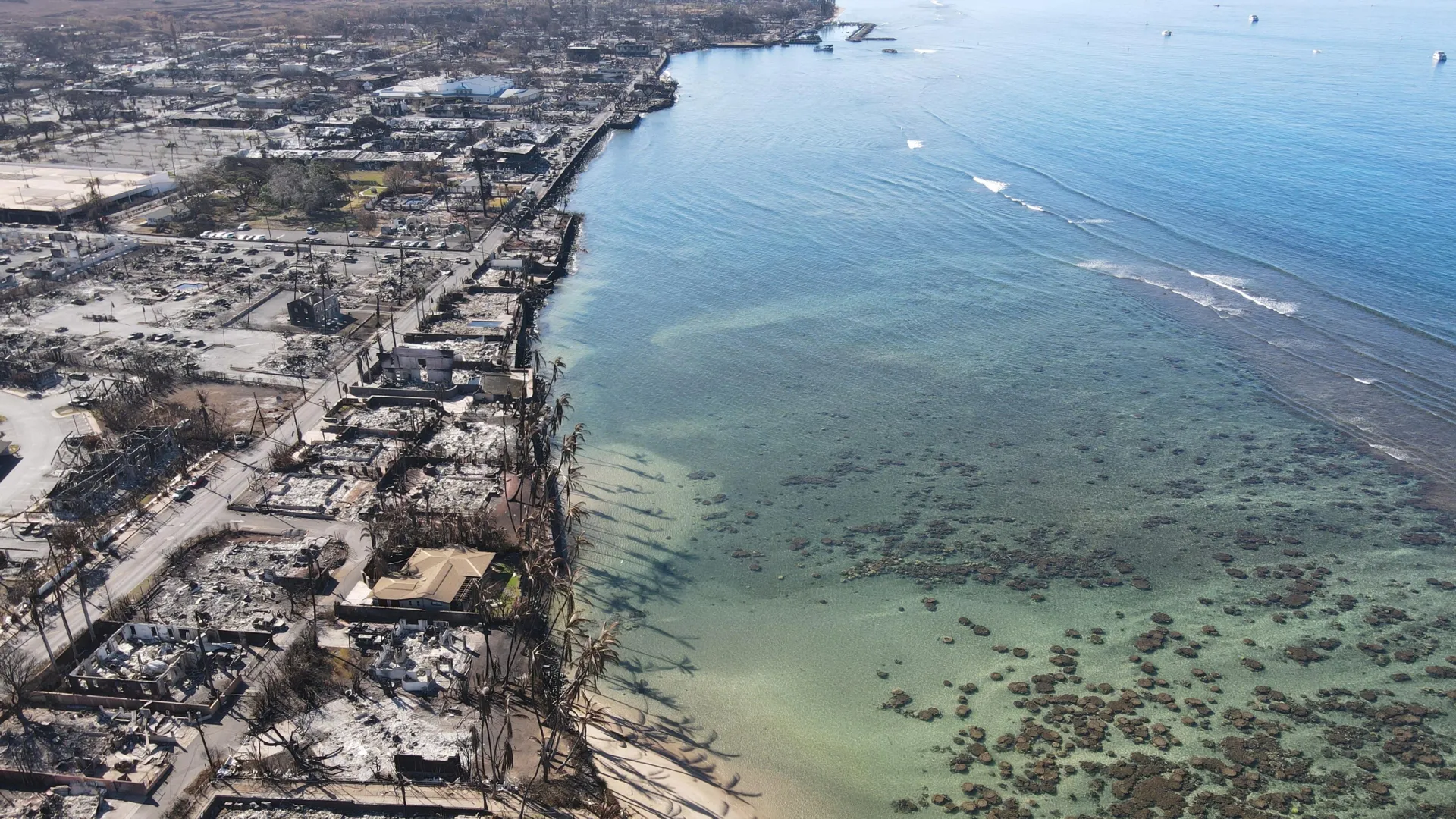
lahaina Wildfire Death Toll Substantially Underestimated, Study Finds
A new study reveals the devastating impact of the August 2023 Lahaina wildfire on Maui was far greater than official figures initially indicated. researchers, including co-first authors from the Native Hawaiian community, estimate the fire led to 82 excess deaths in August 2023 – a 67% increase compared to expected mortality rates – and a staggering 367% increase during the week of August 19th. This suggests the true death toll is considerably broader than previously understood.
The research,published recently,utilized an “all-cause excess death rate” – calculating the number of deaths exceeding what would normally be expected – based on demographic data from Maui County spanning August 2018 to July 2023. The analysis specifically excluded deaths attributed to Covid-19.
“Wildfires cause death in multiple ways,” explained Dr. Kekoa Taparra of UCLA, a co-first author. “We’ve seen reports of deaths from direct exposure, smoke inhalation, and burns. But many likely resulted from disruptions to healthcare access – inability to obtain critical medications or emergency treatment – and exacerbation of pre-existing conditions.”
The study found that 80% of the excess deaths occurred outside of a medical setting, a 12% increase compared to other months, indicating many individuals were unable to reach medical care due to the fire’s impact. simultaneously, deaths attributed to non-medical causes rose from 68% to 80%. While the excess death estimate of 82 is close to the 88 fire-related deaths reported by the CDC in August 2023, it differs slightly from the official fatality count of 102.Researchers hypothesize the discrepancy may be due to a temporary decrease in deaths from other causes,mirroring observations during the Covid-19 pandemic lockdowns. They also acknowledge the possibility of delayed deaths resulting from missed treatments or worsening chronic conditions occurring outside the study’s August timeframe.
The study acknowledges limitations, including the lack of geographically granular data to pinpoint the impact specifically within Lāhainā and the short time window analyzed, preventing assessment of long-term mortality impacts. Furthermore,the model cannot definitively determine causes of death without access to detailed death certificate data like toxicology reports. However, researchers emphasize the value of this type of analysis in understanding the wider health consequences of disasters.
Looking forward,the researchers advocate for a shift towards proactive wildfire prevention strategies,emphasizing the importance of incorporating customary Native Hawaiian knowledge. They call for investment in restoring traditional agroecological systems and Native Hawaiian plants, which are more resilient to wildfires than modern monocultures and invasive species. Restoring traditional pre-colonial water systems and improving fire risk modeling are also crucial steps.
“Immediate medical treatment is critical for those exposed to wildfires,” stated nakatsuka. “Fast, accessible emergency care can save lives.”
Ultimately, Taparra emphasized, “We’d like to see more policy investment in wildfire prevention rooted in Native Hawaiian ecological knowledge. This is about protecting Hawaiʻi from future tragedies.”
