Maternal and Fetal Outcomes in Preeclampsia: A Narrative Review
Preeclampsia accounts for 14.0% of maternal deaths worldwide, making it the second leading cause of maternal mortality behind hemorrhage.
Key Clinical Takeaways:
- Global mortality figures show 76,000 women and 500,000 babies die annually from preeclampsia-related complications.
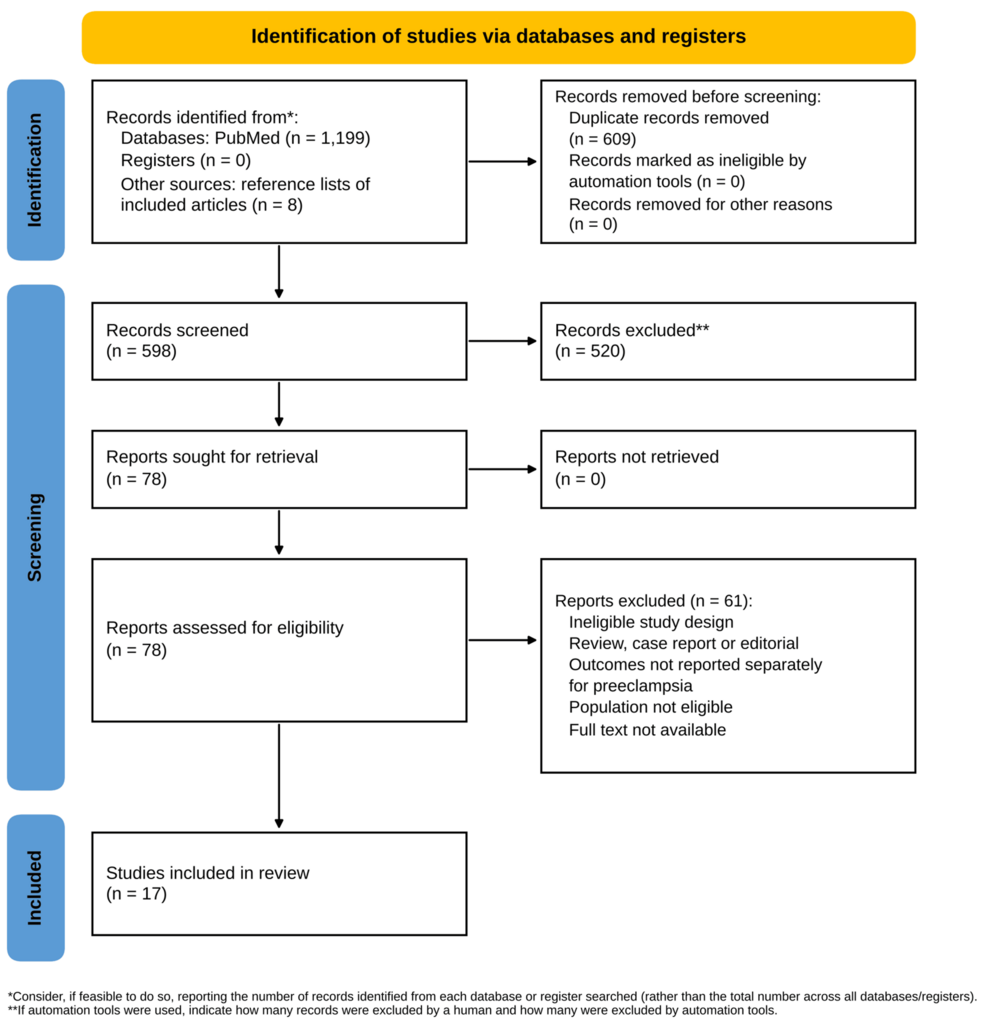
- A narrative review published in Cureus analyzed 17 observational studies across South Asia and other low-resource regions between January 2011 and July 2026.
- Early-onset preeclampsia diagnosed before 34 weeks of gestation carries significantly higher risks of severe maternal end-organ damage and adverse perinatal outcomes.
Preeclampsia and Eclampsia Diagnostic Criteria Identified
Preeclampsia is a multisystem disorder identified by new-onset hypertension of 140/90 mmHg or higher after 20 weeks of gestation. This condition involves proteinuria, maternal organ dysfunction, or uteroplacental dysfunction such as fetal growth restriction, Cureus reported.
Eclampsia involves new-onset generalized tonic-clonic seizures in a patient already diagnosed with preeclampsia. Other severe manifestations include hemolysis, elevated liver enzymes, and low platelet count (HELLP) syndrome alongside posterior reversible encephalopathy syndrome.
Regional Outcomes Across South Asia
A structured narrative review evaluated 17 observational studies published between January 2011 and July 2026, encompassing 15 studies from South Asia. Investigators found that uneven access to healthcare facilities, delayed antenatal coverage, and referral bottlenecks heavily influence local maternal and perinatal survival rates.
Clinical Management and Future Research
The review emphasizes that early-onset preeclampsia before 34 weeks presents sharply elevated risks for both mother and infant compared to late-onset presentations. Researchers continue to examine how regional variations in antenatal care alter disease progression and long-term recovery.
Disclaimer: The information provided in this article is for educational and scientific communication purposes only and does not constitute medical advice. Always consult with a qualified healthcare provider regarding any medical condition, diagnosis, or treatment plan.