
Cuban Government Counters Journalist’s Report of Chikungunya Deaths with Discrediting Campaign
A report by journalist Yirmara Torres Hernández detailing deaths potentially linked to a chikungunya outbreak in Matanzas province has triggered a response from Cuban state media focused on discrediting the journalist rather than addressing the underlying health concerns. Torres, a reporter for Radio 26, personally contracted chikungunya shortly before publishing her findings, and her report highlights a dire situation characterized by a lack of resources, sanitation issues, and a struggling healthcare system.
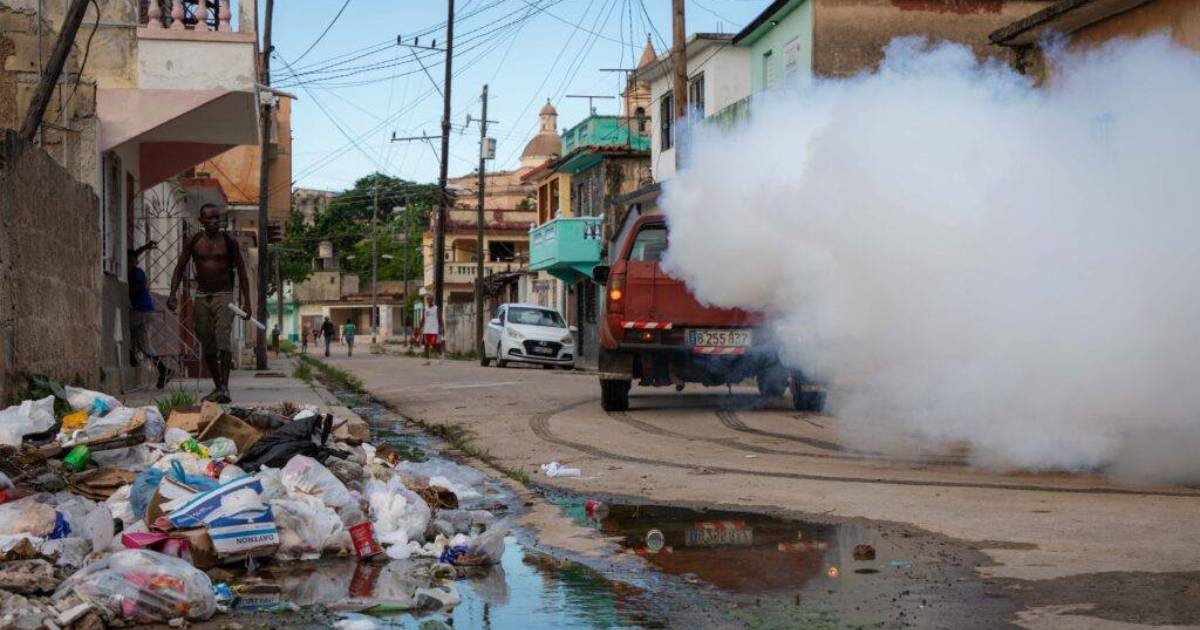
Torres’s reporting detailed the arduous living conditions contributing to the outbreak, stating, “We live in constant stress, poorly fed, immunocompromised… The nights are filled with mosquitoes, rats, and cockroaches.What anti-vector control will there be like this?” She questioned the efficacy of vector control measures given the widespread unsanitary conditions and compromised health of the population.
Instead of responding to the substance of Torres’s claims - specifically, reports of deaths – Radio 26 published a statement attempting to contextualize and diminish the impact of her reporting, framing it as “manipulated” and “out of context.” The Minister of Public Health has also publicly denied any deaths related to the chikungunya outbreak.
The situation in Matanzas is compounded by broader crises facing Cuba, including economic hardship, food shortages, energy instability, and increased migration. Critics argue the government’s priority remains maintaining a positive public image rather than addressing the escalating health crisis. Hospitals are reportedly overwhelmed, and families are struggling to cope with deaths without access to adequate information or official statistics.
The outbreak is fueled by conditions conducive to mosquito breeding, including accumulated garbage, lack of sanitation, and frequent power outages. Shortages of essential medicines and a lack of effective anti-vector control measures further exacerbate the problem.
Amidst the crisis, international aid has begun to arrive. Switzerland recently donated a container of medical supplies to the Comandante Faustino Pérez Clinical Surgical Hospital in Matanzas, providing a crucial lifeline to a healthcare system struggling to cope with the surge in cases.
Frequently Asked Questions about the Health Crisis in Matanzas due to Chikungunya:
What are the most serious complaints about the health crisis in Matanzas?
Journalist Yirmara Torres Hernández has reported potential deaths linked to chikungunya in her community, contradicting official statements denying fatalities. Complaints center on a lack of medicines, access to clean water, and effective fumigation, alongside generally poor living conditions that worsen the health situation.
How has the Cuban government responded to complaints about the chikungunya outbreak?
The Cuban government, through official media like Radio 26 of Matanzas, has attempted to discredit the allegations made by journalist Yirmara Torres, characterizing them as misleading and taken out of context. The Minister of health has also publicly denied any deaths related to the outbreak.
What conditions have favored the epidemiological crisis in matanzas?
Accumulation of garbage, lack of sanitation, and frequent power outages have created ideal breeding grounds for the Aedes aegypti mosquito, the vector for chikungunya. Additionally, shortages of medicines and insufficient anti-vector control measures have hindered effective outbreak management.
What role has the international community played in the crisis in Matanzas?
Switzerland has donated a container of medical supplies to the Comandante Faustino Pérez Clinical Surgical Hospital in Matanzas, offering critical support given the reported health system collapse and resource scarcity.
