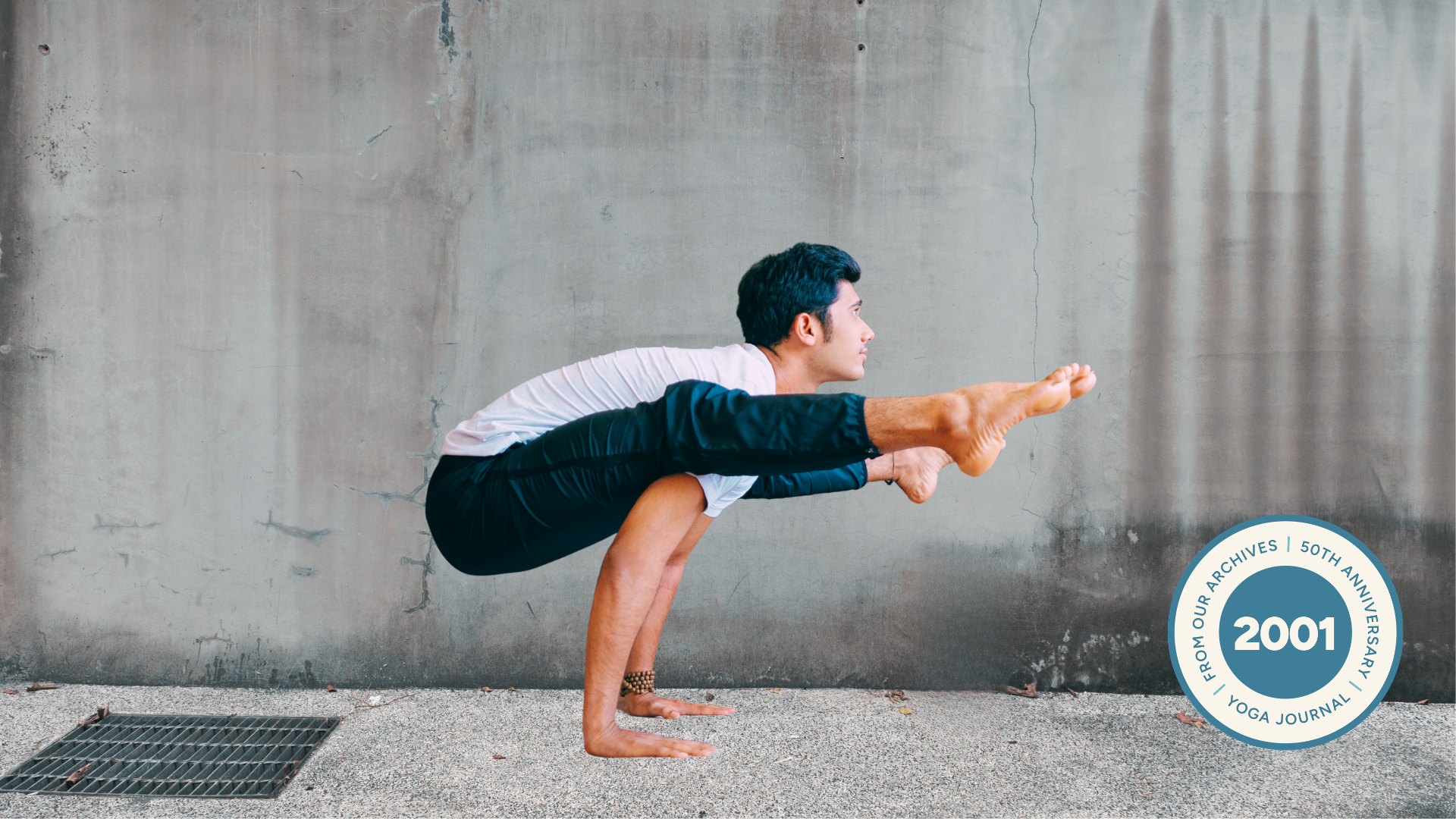
Master Firefly Pose (Tittibhasana): Step-by-Step Guide to This Advanced Arm Balance
The pursuit of advanced postural maneuvers, such as the challenging arm balance known as Tittibhasana, or Firefly Pose, demands more than mere flexibility. it requires a sophisticated integration of neuromuscular control and structural integrity. While the aesthetic appeal of such poses is significant in various wellness disciplines, the physiological cost of improper execution can be substantial.
Key Clinical Takeaways:
- Neuromuscular Stability: Successful arm balances depend on the precise activation of the scapular stabilizers and deep core musculature to manage center-of-gravity shifts.
- Injury Mitigation: Progressive loading is essential to prevent acute musculoskeletal trauma, particularly in the carpal bones and the glenohumeral joint.
- Biomechanical Foundation: Mastery of the “one step at a time” approach aligns with the clinical principle of progressive overload, reducing the risk of chronic repetitive strain.
From a clinical perspective, the transition into high-load arm balances represents a significant stress test for the human kinetic chain. The primary challenge lies in the management of weight distribution during extreme spinal flexion and upper extremity loading. When practitioners attempt to bypass the foundational stages of strength development, they increase the risk of musculoskeletal morbidity, specifically involving the wrist complex and the lumbar spine. The clinical gap between recreational aspiration and physiological readiness is where most preventable injuries occur.
The Biomechanics of Scapular and Core Integration
Achieving Tittibhasana requires an intense isometric contraction of the core to facilitate the necessary pelvic elevation. This is not merely a matter of abdominal strength but involves the complex coordination of the transverse abdominis and the multifidus muscles to stabilize the lumbar spine under compression. Without this stabilization, the sudden shift in weight can lead to acute vertebral shearing or significant strain on the posterior spinal ligaments.

Simultaneously, the upper extremities must act as the primary weight-bearing pillars. This places an immense demand on the serratus anterior and the trapezius to ensure scapular stability. If the scapula fails to remain protracted and stable against the thoracic wall, the humeral head may migrate improperly within the glenohumeral joint, leading to subacromial impingement. The biological mechanism of action here relies on the ability of the rotator cuff to maintain centration of the humeral head while the body’s mass is concentrated over the wrists.

“The integration of core stability and upper extremity strength is paramount when navigating advanced weight-bearing postures. Without a stable scapular base, the risk of shoulder pathology increases exponentially as the practitioner attempts to manipulate their center of gravity.”
For those performing these movements, the proprioceptive feedback from the hands and wrists is critical. The carpal bones must withstand significant compressive forces, which can lead to inflammation of the tendons or compression of the median nerve if the wrist alignment is suboptimal. To mitigate these risks, practitioners should focus on the gradual strengthening of the forearm musculature and the development of wrist mobility through controlled, incremental loading.
Pathologies of High-Load Arm Balances
When the physiological demands of an arm balance exceed the current capacity of the musculoskeletal system, several common pathologies may emerge. Wrist impingement and carpal tunnel syndrome are frequent concerns due to the extreme extension required to support the torso. The intense compression of the abdominal cavity can, in some individuals, exacerbate existing gastrointestinal or pelvic floor issues if intra-abdominal pressure is not managed correctly through proper breathing techniques.
Shoulder instability remains one of the most significant clinical concerns. The sheer force required to hold the body aloft can lead to labral tears or rotator cuff tendinopathy if the scapular stabilizers are fatigued or underdeveloped. This is particularly true in practitioners who prioritize limb flexibility over the functional strength required to support the kinetic chain.
For individuals experiencing persistent joint inflammation, radiating numbness in the hands, or acute sharp pain during weight-bearing activities, adjusting care protocols is urgent. It’s highly recommended to consult with vetted physical therapists to evaluate movement patterns and develop corrective exercises that address underlying biomechanical deficits.
Clinical Progression and Injury Prevention
The concept of approaching a pose “one step at a time” is fundamentally a clinical strategy of progressive overload. In a rehabilitative or athletic training context, this involves breaking down a complex movement into its constituent parts to ensure each component—stability, mobility and strength—is sufficient before increasing the load. For Tittibhasana, this might involve mastering seated core compressions and forearm planks before attempting the full weight transfer to the hands.

This systematic approach minimizes the risk of acute injury and allows for the gradual adaptation of connective tissues, such as ligaments and tendons, which respond more slowly to mechanical stress than muscle tissue. Developing this foundational strength is the standard of care for anyone looking to engage in high-impact or advanced postural work safely.
In cases where a practitioner has already sustained an injury, such as a suspected ligamentous tear or a significant joint subluxation, immediate diagnostic intervention is necessary. Navigating the recovery process requires the expertise of orthopedic surgeons or sports medicine specialists to determine the extent of the damage and whether surgical or conservative management is required to restore function.
The Future of Functional Movement Analysis
As our understanding of biomechanics and neuromuscular recruitment continues to evolve, the bridge between traditional movement practices and clinical science becomes increasingly robust. The integration of real-time motion capture and electromyography in training environments promises to provide even more precise data on how practitioners can safely approach challenging postures. This evolution in movement science will likely lead to more personalized, data-driven approaches to both athletic performance and injury rehabilitation.
For those seeking to optimize their physical practice while safeguarding their long-term health, the most effective strategy remains a combination of disciplined, progressive training and professional clinical oversight. Utilizing the resources within our directory to find vetted movement specialists can ensure that your journey toward physical mastery is both effective and medically sound.
Disclaimer: The information provided in this article is for educational and scientific communication purposes only and does not constitute medical advice. Always consult with a qualified healthcare provider regarding any medical condition, diagnosis, or treatment plan.