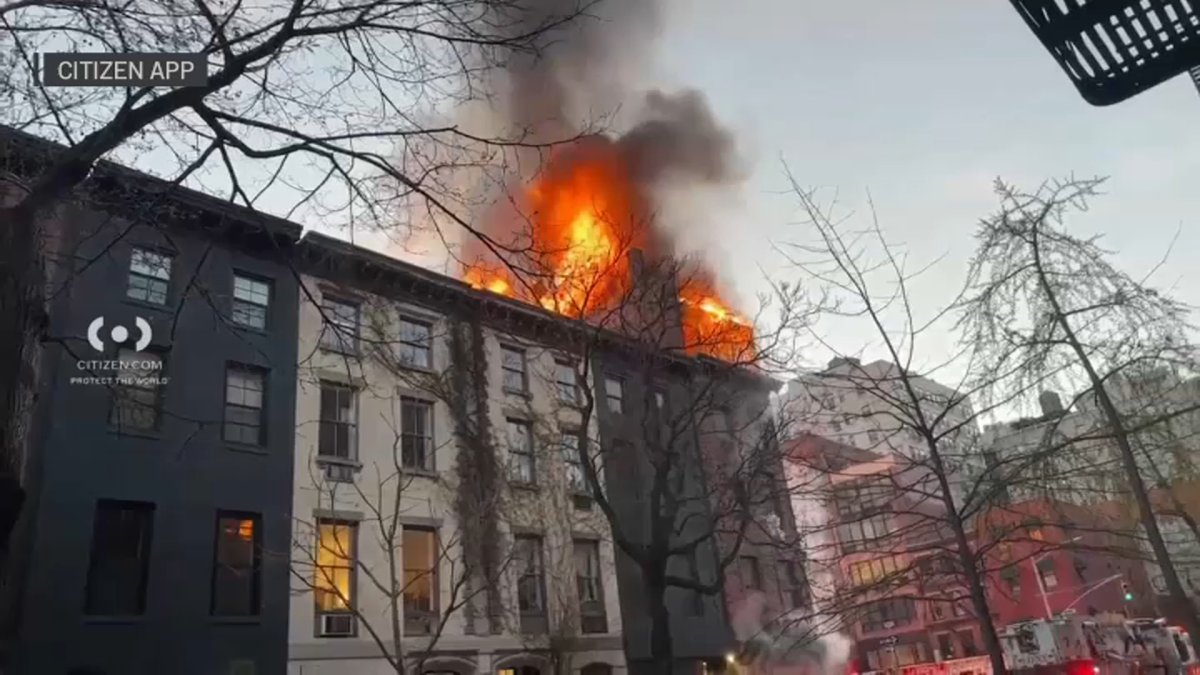
Massive 3-Alarm Fire Hits Vacant Chelsea Building on Seventh Avenue
A massive 3-alarm fire ripped through a vacant building at 216 Seventh Avenue in Chelsea, Manhattan, on Sunday morning, April 12, 2026. The blaze affected the first, fifth, and sixth floors, injuring four firefighters and forcing local road closures while the structure remains officially designated as unsafe by city officials.
The scale of the incident transformed a quiet Sunday morning into a scene of urban chaos. When the alarms triggered, the FDNY faced a structure that was not merely empty, but a ticking clock of degradation. The fire didn’t just burn; it consumed specific pockets of the building—the first floor and the upper reaches of the fifth and sixth—creating a volatile environment that challenged standard firefighting tactics.
Because the interior of the building was deemed too dangerous for entry, the operation shifted to a high-risk exterior strategy. Deputy Chief Anthony Arpaia noted that firefighters were forced to operate from tower ladders to knock down the flames and conduct searches from the outside.
“Firefighters operated from tower ladders to knock down the fire and conduct searches from the exterior due to unsafe interior conditions,” said Deputy Chief Anthony Arpaia.
This tactical pivot underscores a recurring nightmare for urban first responders: the “unsafe interior.” When a building is left to rot, the structural integrity of floors and supports becomes a gamble. In this case, the risk was high enough that the FDNY could not risk putting boots on the ground inside the structure, relying instead on the reach of their ladders to combat the blaze from the street.
The disruption extended far beyond the walls of 216 Seventh Avenue. The city was forced to shut down a critical artery of Chelsea, closing Seventh Avenue between 22nd and 23rd Streets. For a neighborhood defined by its density and constant movement, such a closure ripples through local logistics and pedestrian traffic, turning a few city blocks into a dead zone of smoke and emergency sirens.
For those living in the immediate vicinity, the start of the fire was marked by a jarring auditory shock. Camelia Entekhabifard described a sensation that felt like a sudden, violent release of energy.
“It can be because the window shattered, or something major exploded inside. I’m not saying it was an explosion. But you had the loud bang,” Entekhabifard told NBC New York.
Whether that “loud bang” was a structural failure, a window imploding under extreme heat, or something more sinister, it served as the alarm for the neighborhood. While no one was inside the building at the time—a fact that likely prevented a mass-casualty event—the fire still took a toll. Four firefighters suffered minor injuries during the operation and required hospitalization, a stark reminder that even “empty” buildings pose a lethal threat to those tasked with saving them.
The most damning detail of the event is the building’s history. Neighbors revealed that the structure had sat vacant for approximately a decade. This ten-year lapse in occupancy is not just a real estate failure; it is a public safety crisis. A building that sits empty for a decade becomes a magnet for decay, illegal entry, and uncontrolled hazards.
When a property reaches this state of neglect, the responsibility shifts from simple maintenance to complex recovery. The current status of the building—officially designated as unsafe—means it is now a liability that requires specialized intervention. To stabilize such a site, owners must engage vetted structural engineers to determine if the frame can be saved or if the risk of collapse is too great for the surrounding neighborhood.
the fact that a 3-alarm fire could erupt in a building that has been empty for ten years raises urgent questions about oversight. The cause of the fire remains under investigation by the FDNY, but the incident highlights the desperate need for proactive property management services that can secure vacant assets and prevent them from becoming urban tinderboxes.
The legal ramifications for the owners of 216 Seventh Avenue are likely to be extensive. Between the injuries to city personnel and the danger posed to the public, the owners may uncover themselves navigating a minefield of municipal penalties and liability claims. In these scenarios, developers and landlords typically rely on commercial real estate attorneys to manage the fallout and negotiate with city agencies regarding the building’s future.
As the smoke clears, the building remains a hollowed-out shell in the heart of Manhattan. It stands as a monument to the dangers of urban vacancy. The FDNY’s successful containment of the blaze prevented a wider catastrophe, but the “unsafe” label now permanently etched onto the property serves as a warning.
The tragedy of 216 Seventh Avenue isn’t just the fire itself, but the decade of silence that preceded it. When we allow structures in our most crowded cities to vanish from the ledger of active care, we aren’t just losing square footage—we are creating hazards that our firefighters must eventually risk their lives to extinguish. For those managing portfolios of urban assets, the lesson is clear: a vacant building is never truly empty; it is simply waiting for a spark. Finding the right professionals to secure and stabilize these sites is the only way to ensure that a “loud bang” doesn’t become a neighborhood tragedy. The World Today News Directory remains the primary resource for locating the verified experts capable of turning these liabilities back into assets.