
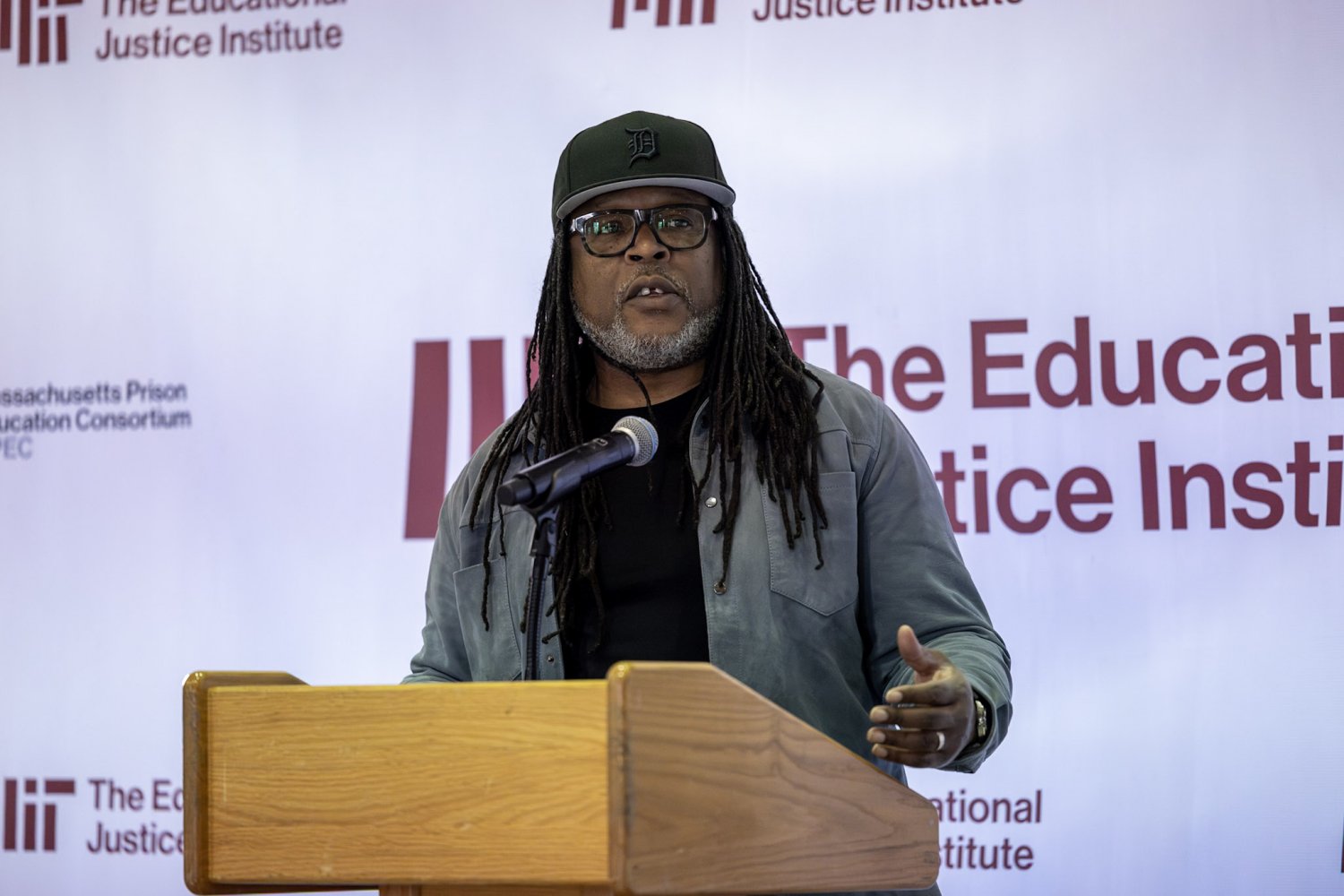
Collaborators from across Massachusetts gathered in december for a daylong summit hosted by the Educational Justice Institute (TEJI) at MIT.The summit, organized by the Massachusetts Prison Education Consortium (MPEC), focused on expanding access to quality education for incarcerated learners.It brought together leaders for presentations and strategy sessions aimed at improving equitable access to higher education and reducing recidivism.
Author and resilience expert Shaka Senghor delivered a keynote address. Speakers like Molly Lasagna, senior strategy officer at Ascendium Education Group, and Stefan LoBuglio, former director of the National Institute of corrections, discussed the importance of learning, healing, and community support in creating a fairer system for those impacted by the justice system.
The summit,titled “Building Integrated Systems Together: Massachusetts Community Colleges and County corrections 2.0,” tackled three key issues. These included connecting Massachusetts community college education wiht county corrections, expanding work and credentialing opportunities through carceral education, and better supporting women facing unique challenges within the criminal legal system.
MPEC, created by TEJI, is a statewide network of colleges, organizations, and correctional partners. They’re working together to increase access to high-quality, credit-bearing education in Massachusetts prisons and jails. The consortium focuses on all aspects of the educational pipeline – from programming and faculty support to research and reentry pathways – building on the success of the MIT Prison Education Initiative and the recent restoration of Pell Grant eligibility.
TEJI co-directors Lee Perlman and Carole Cafferty hosted the summit. Perlman founded the MIT Prison Initiative after teaching in MIT’s Experimental Study Group (ESG) and in correctional classrooms.He’s received three Irwin Sizer Awards and MIT’s Martin Luther King Jr. Leadership Award for his work bringing humanities education to prisons.
Cafferty co-founded TEJI after over 30 years in corrections, including serving as superintendent of the Middlesex Jail and House of Correction. She now uses her experience building integrative and therapeutic educational programs – programs that have been replicated nationally – to guide the institute.
“TEJI serves two populations, incarcerated learners and the MIT community,” explained a representative. “All of our classes involve MIT students, either learning alongside the incarcerated students or as TAs.”
