Mass General Brigham study links plant-based groceries to lower blood pressure and weight
A long-term nutrition program providing weekly plant-based groceries to patients at a Massachusetts health center is associated with measurable improvements in diastolic blood pressure and body weight over an average enrollment period of 2.7 years, according to a study led by researchers at Mass General Brigham and published in the journal Preventing Chronic Disease.
-
Key Clinical Takeaways:
- Every 100 weekly grocery packages received corresponded to an estimated 3.21 mmHg reduction in diastolic blood pressure and a 2.6-kilogram drop in body weight.
- The intervention, analyzed by researchers from before-and-after data of 68 adult participants, showed a clear dose-response pattern as the duration of nutritional support increased.
- The study found no significant changes in hemoglobin A1c levels across participants despite the positive cardiometabolic findings.
Plant-Based Grocery Packages Reduce Blood Pressure and Weight
During the research, health information was examined from 68 adult participants who took in an average of 97 plant-based grocery packages throughout their participation, maintaining an average exposure window of 2.7 years. The researchers noted a dose-response pattern: every 100 food packages acquired correlated with a decrease of 3.21 millimeters of mercury in diastolic blood pressure, a 2.6-kilogram drop in body weight, and a 1.04-kilogram-per-square-meter reduction in body mass index.
When looking at individuals who had elevated blood pressure at the start of the program, researchers also noted drops in systolic blood pressure. However, researchers found no significant improvements in hemoglobin A1c across participants.
This paper has the potential to change the conversation about Food Is Medicine interventions,
said first author Jacob Mirsky, MD, MA, a primary care physician at Mass General Brigham Revere Community Health Center and medical director for the food pantry. We are boldly advocating for high potency interventions that focus on frequent, high quality, high quantity food packages over long periods of time so that patients have the greatest chance of benefiting.

Dietitian Designs Weekly Grocery Packages for Households
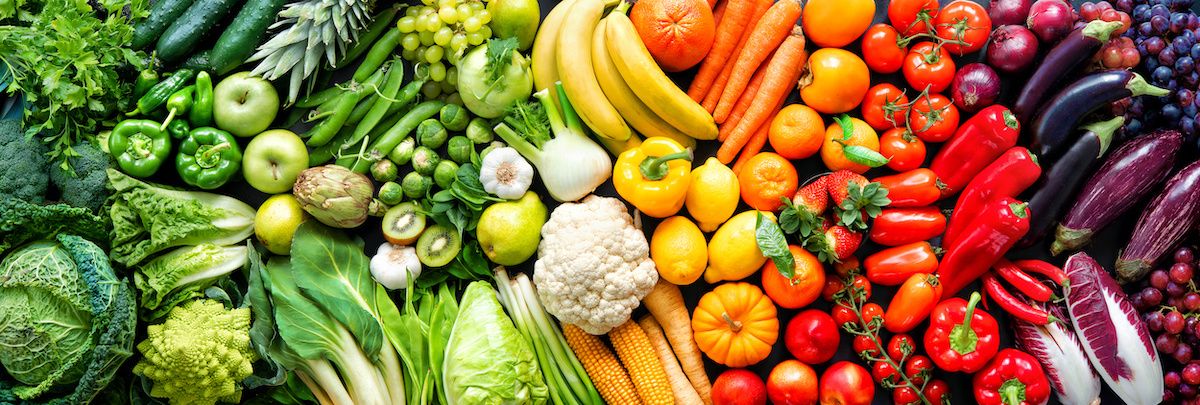
The food packages distributed through the program were designed by a dietitian in accordance with the USDA 2020 Dietary Guidelines. Each weekly delivery supplied whole grains, fresh fruits and vegetables, nut butter, and canned beans procured from the Greater Boston Food Bank as well as other hunger-relief organizations. The quantities in the bundles were adjusted based on household size, supplying enough provisions to cover three meals daily for every individual living in the recipient’s home across an entire week.
Patients enrolled in the program received weekly packages at no cost with no end date. The findings connect back to a long-running partnership linking the Revere clinic with the Greater Boston Food Bank, which has supplied the medical facility with nearly 379,000 pounds of provisions over the course of this year, as reported by Mass General Brigham.
Methodological Limitations and Implications for Clinical Practice
Because the evaluation contrasted health measurements gathered before and after participants started collecting food, the outcomes highlight patterns between the volume of packages acquired and shifts in wellness metrics instead of serving as absolute proof of cause and effect. Food is medicine programs, including produce prescriptions and medically tailored groceries, have drawn growing interest from health systems and payers seeking to address diet-related chronic disease and food insecurity simultaneously.
A recurring challenge in the field has been the evidence base, as many existing studies have been small, short in duration, or lacked comparison groups. The growing body of research reinforces the role of nutrition in managing cardiometabolic disease while highlighting practical questions about how to connect patients with sustained access to healthy food.
Disclaimer: The information provided in this article is for educational and scientific communication purposes only and does not constitute medical advice. Always consult with a qualified healthcare provider regarding any medical condition, diagnosis, or treatment plan.