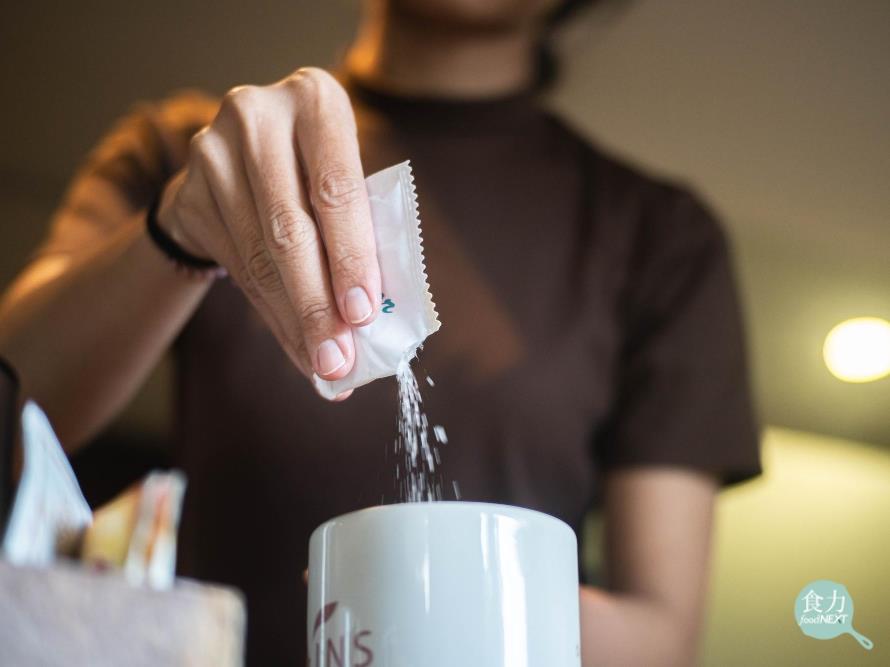
Cambridge Study Finds Sweeteners Can Alter Gut Bacteria, Especially with Caffeine and Drugs
Low-calorie sweeteners can directly alter the growth of human gut bacteria, according to a laboratory study published in Molecular Systems Biology by researchers at the University of Cambridge. The findings indicate that nearly three-quarters of 39 tested sweeteners and sugar substitutes affect at least one bacterial strain, and that these effects shift significantly when sweeteners interact with caffeine, food flavorings, or common medications.
-
Key Clinical Takeaways:
- University of Cambridge researchers tested 39 sweeteners against 25 representative gut bacterial strains, finding that nearly 75% influenced the growth of at least one strain.
- Laboratory experiments identified 102 significant interactions when sweeteners were combined with other substances like caffeine, flavorings, or prescription drugs.
- A specific compound related to stevia metabolism, isosteviol, combined with the antidepressant duloxetine, visibly suppressed the growth of gut microbes such as Roseburia intestinalis.
As non-nutritive sweeteners see widespread use in beverages, snacks, and pharmaceutical products, researchers at the University of Cambridge set out to investigate whether these additives merely pass through the digestive tract inertly. Led by Martin L. Durrant and published in Molecular Systems Biology, the study analyzed 25 representative gut bacterial strains—including symbiotic species, probiotics, and opportunistic pathogens—paired against 39 natural and synthetic sweeteners. The laboratory testing formed 975 distinct combinations. The results showed that roughly 75% of the tested sweeteners impacted the growth of at least one bacterium, with some compounds actively inhibiting or halting bacterial reproduction entirely. Subsequent concentration testing confirmed 30 direct interactions between 26 sweeteners and 5 specific bacterial strains.
Synergistic and Antagonistic Interactions With Caffeine, Flavorings, and Medications
Because humans rarely ingest sweeteners in isolation, the Cambridge research team expanded their methodology to test how these compounds behave alongside other common dietary and medical ingredients. Pairing the 39 sweeteners with caffeine, vanillin, the artificial sweetener Advantame, and the antidepressant duloxetine yielded 3,900 test conditions. The analysis recorded 102 significant interactions. Among these, 34 demonstrated synergistic effects—where the combined presence of both ingredients exerted a stronger influence on bacterial growth than anticipated—while 68 displayed antagonistic effects.
Additional testing involving 12 sweetener combinations paired with eight common pharmaceuticals, including acetaminophen and ibuprofen, confirmed that co-ingested substances modify how individual sweeteners act on microbial populations. A particularly pronounced interaction emerged from the pairing of isosteviol, a compound related to steviol glycoside metabolism, with the antidepressant duloxetine. This specific combination suppressed Roseburia intestinalis and Parabacteroides merdae, two bacterial strains that are part of the human gut microbiota.

Simulation Models Demonstrate Altered Microbial Diversity and Cellular Toxicity
To evaluate broader systemic implications beyond individual strains, the research team constructed a simulated community consisting of 25 bacterial species. When isosteviol and duloxetine were introduced simultaneously, the composition of the simulated microbiome shifted, altering overall diversity and the relative abundance of distinct species. Subsequent exposure of human cell lines to this altered microbial environment revealed changes in cellular toxicity as well as immune and inflammatory markers. However, the study authors explicitly noted that these observations derive entirely from controlled laboratory models and cannot be directly extrapolated to human physiological responses.
Do these laboratory findings prove that sweeteners harm human health?
No. Cambridge researchers emphasized that the study utilized isolated bacterial cultures, artificial microbial communities, and cell models rather than human subjects. Human digestion involves absorption, metabolism, dilution, and host metabolic variations that differ significantly from controlled in vitro environments.

What specific drug and sweetener combination drew the most attention?
The study highlighted the interaction between isosteviol—a metabolite related to steviol glycosides—and the prescription antidepressant duloxetine, which together suppressed the growth of Roseburia intestinalis and Parabacteroides merdae in laboratory simulations.
Will future research evaluate these effects in human clinical trials?
Yes. The research team stated that subsequent human clinical investigations are necessary to determine whether these multi-ingredient interactions occur at typical dietary exposure levels and frequencies within the human gastrointestinal tract.
Disclaimer: The information provided in this article is for educational and scientific communication purposes only and does not constitute medical advice. Always consult with a qualified healthcare provider regarding any medical condition, diagnosis, or treatment plan.