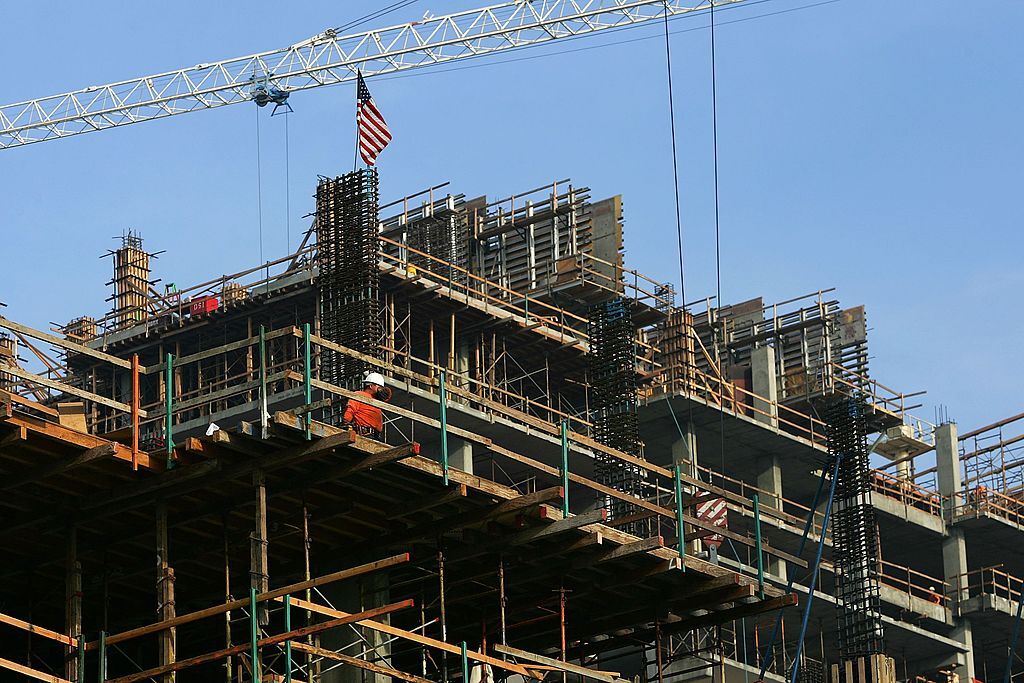
Maryland Building Code Amendments May Weaken Energy Standards
Maryland officials are currently weighing proposed amendments to state building codes that environmental advocates warn could dilute national energy efficiency standards. The revisions, impacting large commercial developments, have sparked a debate over the balance between construction costs and long-term climate goals as the state pursues aggressive carbon reduction mandates.
The Regulatory Shift and its Climate Implications
At the center of the controversy is a move to adjust the state’s adoption of the International Energy Conservation Code (IECC). While Maryland has historically aligned its building standards with national benchmarks to ensure uniform energy performance, the proposed amendments suggest a departure from these stringent requirements for certain large-scale commercial projects.
Environmental organizations argue that weakening these codes undermines the state’s Climate Solutions Now Act. This landmark legislation, signed into law in 2022, requires Maryland to reduce greenhouse gas emissions by 60% by 2031. By allowing buildings to be constructed with lower thermal performance or less efficient HVAC systems, advocates contend that the state is effectively locking in decades of unnecessary carbon emissions.
“Building codes are the bedrock of our long-term climate strategy,” notes a spokesperson for a regional environmental policy group. “Every time we choose to authorize a deviation from the established national standard, we are essentially making a choice to prioritize short-term developer convenience over the mandatory decarbonization of our building stock.”
Economic Strains and the Construction Industry
For developers, the argument often rests on the high cost of compliance. As interest rates remain elevated and material supply chains face periodic volatility, the cost of implementing high-efficiency technology can significantly alter the pro forma for a large commercial project. Developers often point to the “split incentive” problem, where the entity paying for construction costs—the developer—is not the party reaping the long-term operational savings—the tenant or building owner.
This creates a complex environment for stakeholders who must reconcile regulatory compliance with financial viability. When local code amendments are introduced, developers often turn to Commercial Real Estate Attorneys to interpret how these shifting standards affect their liability, site plan approvals, and long-term asset value. The legal ambiguity surrounding state-level amendments versus municipal standards can lead to costly delays in permitting.
The Jurisdictional Tug-of-War
The tension is not just between environmentalists and developers; it is also a matter of administrative jurisdiction. Maryland’s Department of Housing and Community Development oversees the implementation of these codes. However, local jurisdictions often retain the right to enforce stricter codes than the state minimum. This variance creates a patchwork of requirements that can confuse project timelines.
For firms operating across county lines, the lack of a uniform, high-standard code necessitates specialized oversight. Many are now engaging Sustainable Construction Consulting Firms to ensure that even if state codes are weakened, their projects remain aligned with LEED certification or other voluntary high-performance benchmarks that attract institutional investors.
As the state government moves closer to a final decision on these amendments, the potential for litigation or administrative challenges remains high. Industry observers note that when state codes are perceived as inconsistent with federal or national climate goals, it often invites scrutiny from environmental advocacy groups, which may lead to legal challenges against county-level permitting boards.
Managing Risk in a Shifting Regulatory Landscape
The uncertainty surrounding these codes underscores a broader trend: the politicization of building standards. Whether these amendments pass as proposed or face further revision depends on the intensity of the lobbying efforts from both the construction sector and environmental coalitions.

For those involved in the planning stages of large-scale commercial sites in Maryland, the current moment is one of strategic caution. Project managers are increasingly looking toward Urban Planning and Development Services to conduct sensitivity analyses on their project timelines, accounting for potential changes in energy compliance requirements that could be enacted mid-development.
The path forward for Maryland’s building sector is fraught with technical and political hurdles. While the immediate focus is on the specific language of the proposed amendments, the long-term reality is that the era of “business as usual” in construction is closing. As energy costs rise and regulatory pressure to decarbonize intensifies, the cost of building inefficiently will only grow. Developers who choose to ignore these trends in favor of lower initial capital expenditures may find themselves with “stranded assets” that are difficult to lease or sell as the market increasingly demands carbon-neutral, high-efficiency infrastructure.
The final determination on the Maryland building code will serve as a bellwether for how the state intends to manage its transition to a greener economy. It remains to be seen whether the state will choose to maintain the rigor of national standards or if it will opt for a more flexible, industry-friendly approach—a choice that will define the state’s skyline for the next half-century.