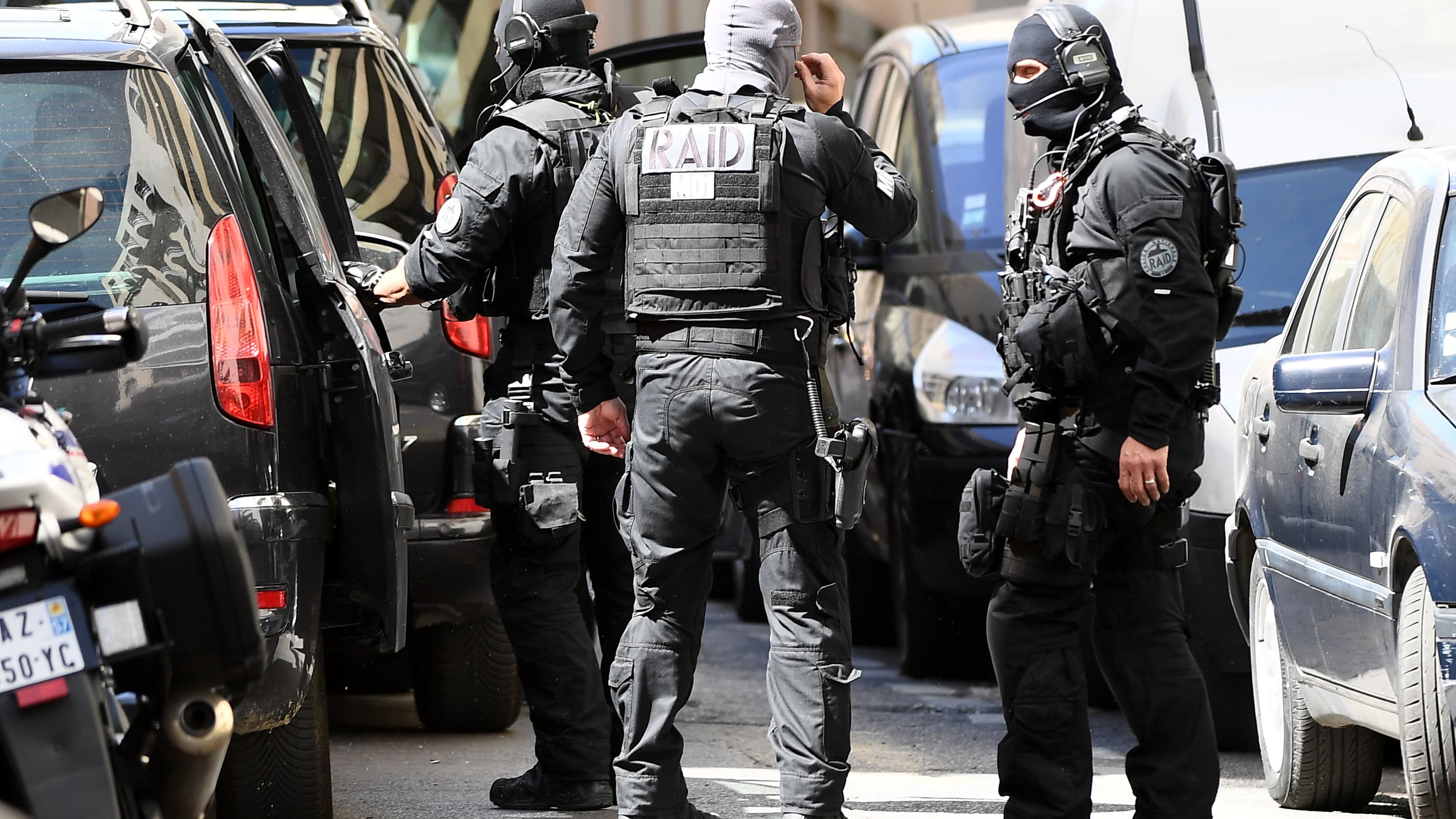
Marseille Drug Trafficking Network Dismantled: 17 Arrested
Marseille’s drug trafficking network generating €5–6 million monthly is dismantled in largest crackdown since 2025’s gold-laundering raids. French prosecutors announced the arrest of 17 individuals this Monday, June 8, 2026, targeting a syndicate linked to the city’s entrenched organized crime ecosystem. The operation—conducted by the Marseille prosecutor’s office—follows a 12-month investigation into networks that have long operated with impunity, exploiting Marseille’s port infrastructure and financial blind spots. This is the third major blow to regional crime groups in 18 months, but experts warn the city’s underground economy remains a €1.2 billion annual challenge.
Why Marseille’s €5–6 Million Monthly Drug Network Matters
The scale of this operation—€5–6 million in monthly revenue—represents a staggering 3–5% of Marseille’s informal economy, according to a 2025 report by the French National Institute of Statistics and Economic Studies (INSEE). For context, that’s equivalent to the annual budget of Marseille’s public housing agency, OPH Marseille, which serves 120,000 residents. The syndicate’s operations weren’t just local; they funneled proceeds through Italy’s hawala networks, as seen in the 2025 Eurojust dismantling of gold-laundering rings.
This crackdown arrives amid rising tensions. The killing of 20-year-old Mehdi Kessaci in November 2025—linked to Marseille’s drug wars—sparked nationwide outrage and forced the French government to deploy 50 additional police officers to the city. The new arrests suggest prosecutors are shifting from reactive policing to dismantling the financial architecture that sustains these networks.
“This isn’t just about seizing drugs or arresting low-level dealers. We’re targeting the ledgers—the invoices, the shell companies, the gold vaults. That’s where the real money moves.”
How the Network Operated: A Breakdown
- Revenue Streams: The syndicate generated income through three primary channels:
- Wholesale distribution of cocaine and heroin (€3–4 million/month), with retail operations in Marseille’s 13th and 16th arrondissements.
- Money laundering via gold bars (€1–2 million/month), mirroring the 2025 Eurojust operation that seized 100 kilos of gold worth €30 million.
- Commissioned violence (“crime as a service”), including contract killings and extortion, which accounted for an estimated €500,000–1 million/month.
- Infrastructure: The network leveraged Marseille’s port—France’s second-busiest—to import drugs via container ships, using front companies registered in Monaco and the UAE. Prosecutors allege the group also exploited the city’s real estate bubble, buying properties under false names to launder funds.
- Cross-Border Links: Italian authorities confirmed the syndicate collaborated with a Syrian-Egyptian OCG based in Milan, using the hawala system to move funds undetected. This mirrors the 2025 Eurojust operation, which described hawala as a “parallel banking system” for criminals.
What Happens Next: Legal, Economic, and Community Fallout
The arrests mark the second major crackdown in six months. In December 2025, French authorities seized €12 million in assets tied to a separate Marseille-based network linked to gold laundering. Yet the city’s underground economy persists, fueled by demand and weak enforcement.

Legal Consequences: Prosecutors are pursuing charges under France’s 2022 Money Laundering Act, which carries sentences of up to 10 years for organizers and 5 years for accomplices. However, Marseille’s conviction rate for organized crime remains below 30%, per data from the French Ministry of Justice.
Economic Impact: The syndicate’s operations artificially inflated Marseille’s real estate market, with properties in high-risk zones (e.g., the Noailles district) selling for 20–30% above market value due to cash purchases from criminal networks. Local economists warn that asset seizures could trigger a correction, hitting legitimate investors.
“The problem isn’t just the drugs—it’s the money. These networks don’t just traffic narcotics; they distort the entire economy. When you take out a kingpin, you don’t just remove a dealer; you disrupt a business model.”
Who’s Left to Fill the Void?
Marseille’s drug trade is a system, not a collection of isolated gangs. The dismantled network was one of three major syndicates operating in the city, alongside the Baronnet clan (linked to heroin trafficking) and the Traoré network (specializing in cocaine and human smuggling). With 17 arrests, prosecutors have weakened one leg of the triangle—but the others remain active.
This creates a dangerous power vacuum. Historically, when one network collapses, smaller groups or even rival clans scramble to take its place, leading to escalated violence. In 2024, the murder rate in Marseille’s northern districts surged by 40% after a similar crackdown reported by the French Interior Ministry.
The Long-Term Problem: Marseille’s Crime Economy
Marseille’s struggles are systemic. The city’s unemployment rate (15.3% in 2025)—double the national average—creates a fertile ground for recruitment into criminal networks. A 2023 study by the French Monitoring Centre for Drugs and Drug Addiction (OFDT) found that 60% of young men arrested for drug-related crimes in Marseille had no formal employment in the six months prior.
Meanwhile, the city’s €1.2 billion annual informal economy—driven by drugs, counterfeit goods, and untaxed labor—outstrips its formal GDP. This isn’t just a law enforcement issue; it’s an economic one. Without addressing the root causes—youth unemployment, weak financial oversight, and corruption—the cycle will repeat.
Solutions in the Directory: Who Can Help?
The problems created by this network are complex, but targeted interventions can mitigate the damage. Here’s where professionals in our directory can step in:
- Asset Recovery Specialists: With €5–6 million in illicit funds circulating monthly, vetted asset recovery attorneys are critical to tracing and seizing criminal proceeds before they re-enter legitimate markets.
- Community Rehabilitation Programs: Marseille’s high recidivism rate (45% for drug-related offenders) demands nonprofit-led reintegration programs that offer job training and mental health support to former gang members.
- Port Security Consultants: Given the syndicate’s use of container shipping, specialized logistics auditors can help Marseille’s port authorities identify and block suspicious cargo routes.
- Financial Compliance Firms: To combat hawala and gold-laundering schemes, AML compliance experts can work with local banks to flag unusual transactions tied to Marseille’s high-risk sectors.
The Bigger Picture: A City at the Crossroads
Marseille’s drug trade isn’t just a local issue—it’s a microcosm of France’s broader challenges. The city’s port handles 10% of the country’s container traffic, making it a gateway for both legal commerce and illicit goods. Without sustained pressure on the financial and logistical infrastructure powering these networks, the arrests of today will yield only temporary relief.
The real test lies in what comes next. Will prosecutors follow the money into Monaco and Dubai? Will Marseille’s mayor, Benoît Payan, push for stricter real estate oversight to curb cash purchases? Or will the city’s deep-rooted corruption allow the next syndicate to rise from the ashes?
One thing is certain: the €5–6 million monthly figure isn’t just a statistic. It’s a symptom of a city where opportunity is scarce and crime pays. The solution won’t come from raids alone—but from a coordinated assault on the economic and social conditions that enable these networks to thrive.
“We’ve made progress, but we’re not winning yet. The war on drugs in Marseille isn’t about winning battles—it’s about changing the rules of the game.”
For verified professionals equipped to navigate this developing crisis, explore our legal directory, community resources, and local service providers—where expertise meets action.