Singapore Government Reviews Study on Civil Servants Buying Homes Near Unannounced MRT Stations
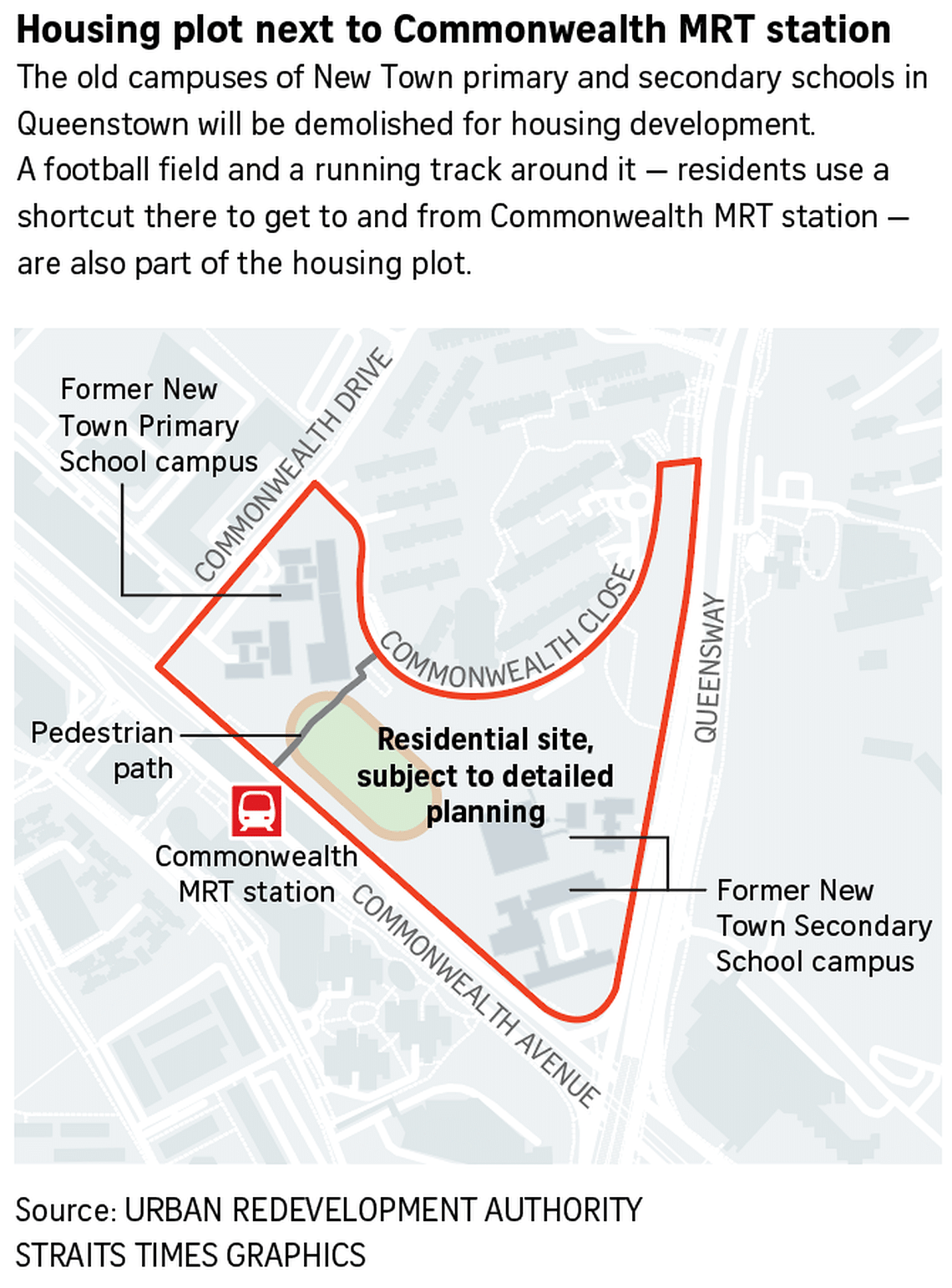
The Public Service Division is reviewing an academic working paper alleging that Singapore civil servants disproportionately purchased private residential properties near Mass Rapid Transit stations before public announcements of those transit locations.
PSD Review and Investigation Thresholds
According to a statement issued on Sept 14 by a spokesperson for the Public Service Division, which operates under the Prime Minister’s Office, the department is actively examining the data and methodology contained within the research document. The agency stated that it will refer any issue to the Corrupt Practices Investigation Bureau “if there is a material basis to do so,” emphasizing that the division takes integrity concerns extremely seriously.
Academic Paper Origins and Methodology
The working paper, titled “Do Social Norms Substitute for Enforcement? Evidence from Public Officials’ Home Purchases in Singapore,” was published in September by the National Bureau of Economic Research, a private research organization based in Cambridge, Massachusetts. The named authors of the study are Tomasz Piskorski from Columbia University, Amit Seru and Chun Zhao from Stanford University, and Jian Zhang from the University of Hong Kong. According to the authors, the research aimed to investigate whether pro-integrity social norms can substitute for formal enforcement mechanisms in deterring misconduct among public officials.
The researchers analyzed housing transactions surrounding planned expansions of the Mass Rapid Transit system by utilizing what they described as universe-level housing transactions. By assembling private-property transactions from legal filings in Singapore, the authors linked property buyers to the Singapore Government Directory Interactive—an online database of public officers—to identify civil servants and trace their purchasing histories. Their analysis focused on transactions near planned, unannounced transit stations around announcement dates.
Findings and Institutional Acknowledgments
The study found that purchase intensity near unannounced Mass Rapid Transit stations was higher among civil servants when compared with a control group of non-civil servants possessing similar demographic attributes and housing consumption behaviors. The paper states that this effect was concentrated one to two years prior to official public announcements and among mid-level officials and agencies directly connected to rail planning. The authors asserted that this pattern generated meaningful private gains and also appeared among relatives, a trend they described as consistent with information leakage.
The opening lines of the working paper note that the authors benefited from discussions with several individuals, including economist Li Shengwu, who is the estranged nephew of Senior Minister Lee Hsien Loong. Other individuals thanked in the acknowledgments include current and former National University of Singapore academics Sumit Agarwal, Jessica Pan, Ivan Png, and Bernard Yeung. The National Bureau of Economic Research notes that the document is a working paper circulated for discussion and comment purposes, and it has not undergone formal peer review or evaluation by the NBER board of directors.