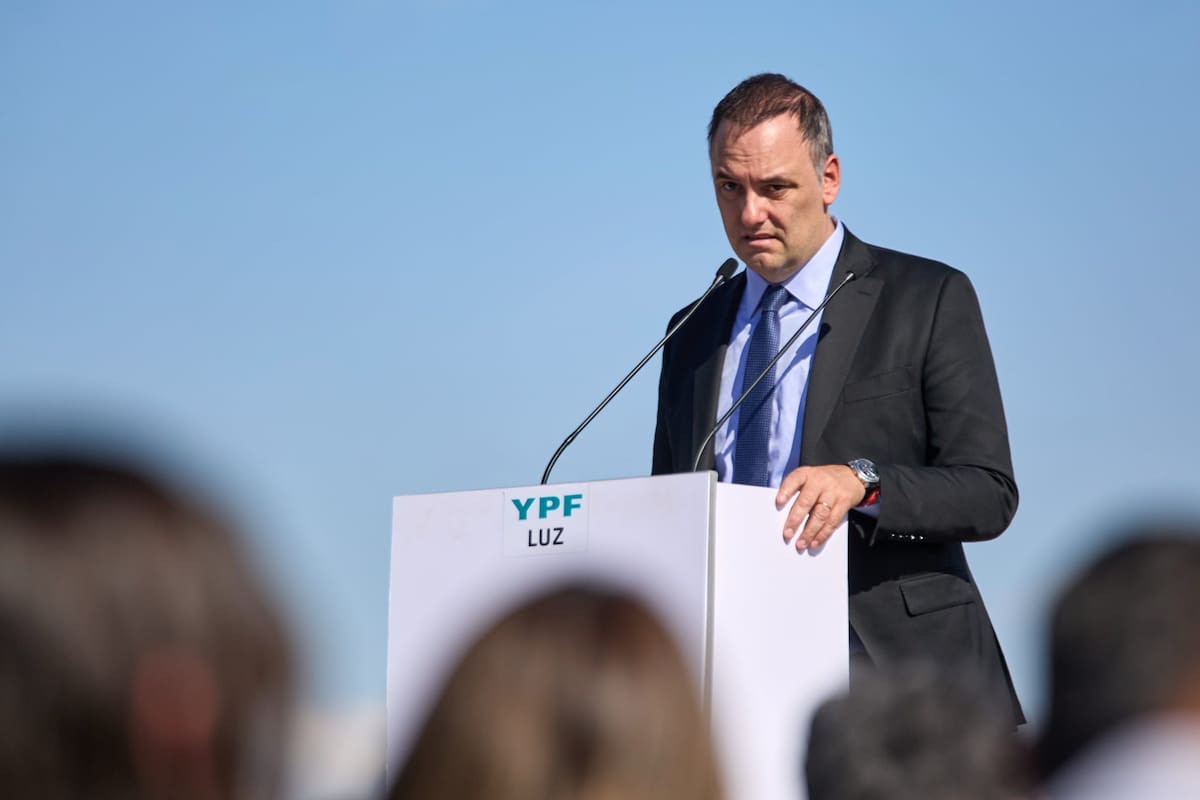
Manuel Adorni Financial Probe: New Evidence and Asset Investigation
Argentine Cabinet Chief Manuel Adorni is facing an intensified judicial probe as prosecutors accelerate the auditing of his finances. New evidence, including contractor testimony regarding illicit payments and requests for crypto-asset records, suggests significant discrepancies between Adorni’s declared income and his actual expenditures, threatening his political stability.
The situation has evolved from a routine asset review into a high-stakes legal battle. At the heart of the matter is the concept of illicit enrichment—a legal trigger in Argentina when a public official’s wealth increases beyond what their legitimate salary can justify. For Adorni, the pressure is no longer just about paperwork; it is about a mounting trail of digital evidence and the sudden cooperation of former allies. This isn’t just a political scandal; it is a systemic failure of financial transparency that leaves the administration vulnerable and the official in a precarious legal position.
The Contractor’s Betrayal and the “Black Payment” Trail
The momentum of the case shifted dramatically when a contractor involved in Adorni’s personal projects decided to cooperate with the judiciary. In a spontaneous presentation to the court, the contractor admitted to making “pagos en negro”—under-the-table cash payments—that were never recorded in official ledgers. This admission is a critical blow, as it provides the prosecution with a direct link to undisclosed funding used to enhance Adorni’s private assets.
The evidence submitted is not merely anecdotal. The contractor provided a series of chats and invoices that allegedly dismantle Adorni’s previous defenses. In the Argentine construction sector, “black payments” are a notorious method for avoiding taxes and hiding the true cost of luxury renovations. When these transactions occur within the orbit of a high-ranking official, they transition from tax evasion to potential illicit enrichment.
“In cases of illicit enrichment, the burden of proof often shifts toward the official to justify the origin of their funds once a significant disparity is established. When a contractor admits to cash payments, the legal defense must move beyond denials to provide concrete, documented proof of alternative funding.” — Dr. Alejandro Rossi, Legal Analyst specializing in Argentine Administrative Law
For those caught in the crosshairs of such investigations, the complexity of untangling legitimate assets from “grey” transactions is immense. Many are now turning to forensic accounting experts to conduct internal audits before the state’s specialized bodies finalize their findings.
A Modern Dragnet: Crypto-Assets and Corporate Inquiries
The prosecution is no longer looking only at bank statements and property deeds. Recognizing the shift toward digital finance, the judiciary has requested detailed reports on crypto-assets linked to Adorni. This move signals a modernization of the investigation, acknowledging that high-net-worth individuals often use decentralized finance to shield assets from traditional oversight.
The investigation has expanded its reach to include third-party corporate entities. The court has issued official requests for information from:
- Hotel Companies: To track travel expenses and luxury stays that may exceed declared disposable income.
- Insurance Companies: To identify high-value assets and premiums being paid for properties or luxury goods not listed in official disclosures.
- Financial Institutions: To trace the flow of funds that may have been routed through intermediaries to mask their origin.
This comprehensive approach creates a “financial pincer,” where the official’s lifestyle is mapped against their legal earnings. For government contractors and public officials, this underscores the urgent need for compliance officers who can ensure that every transaction meets the rigorous standards of the Argentine Judiciary (CIJ) and international anti-corruption norms.
The Absurdity of the Defense: The Remote-Controlled Grill
As the legal walls close in, some of the defense strategies have taken a surreal turn. In an attempt to justify the lavish nature of certain home installations, Adorni’s architect has stepped forward to defend the technical specifications of the property. In a detail that has captured public attention, the architect specifically highlighted that the property’s grill is “remote-controlled,” seemingly attempting to frame luxury upgrades as mere technical modernization rather than evidence of excessive wealth.
While the defense focuses on the specifics of home appliances, the prosecution remains focused on the funding. The gap between a public servant’s salary and the cost of a high-tech, remote-controlled estate is exactly what the court is analyzing. This disconnect often necessitates the intervention of certified tax consultants to reconcile declared assets with actual luxury spending to avoid further criminal liability.
Judicial Acceleration and the Path Forward
The most pressing development is the prosecution’s request to engage a specialized judicial body to accelerate the review of Adorni’s financial records. By moving the case into a specialized track, the judiciary is signaling that this is no longer a slow-moving inquiry but a priority investigation. This acceleration is designed to prevent the destruction of evidence and to provide a swift determination on whether the Cabinet Chief must face formal charges.

The broader implications for the Government of Argentina are significant. As one of the most influential figures in the executive branch, Adorni’s legal standing directly impacts the administration’s image of transparency. If the “black payments” are proven, it will provide a potent narrative for political opponents and potentially trigger a wider probe into the administration’s inner circle.
The trajectory of this case will likely be decided by the intersection of digital footprints and contractor testimony. In a landscape where “under-the-table” deals are being replaced by blockchain and encrypted chats, the judiciary is proving that the paper trail—no matter how digital—eventually leads back to the source. For those navigating the volatile intersection of public office and private wealth, the lesson is clear: transparency is the only sustainable defense. As this story unfolds, the need for verified, independent professionals to navigate these legal minefields has never been more critical, and the World Today News Directory remains the primary resource for finding those equipped to handle the fallout of such systemic financial scrutiny.