
Man Carrying Alzheimer’s Gene Remains Symptom-Free at 76, Offering Hope for New Treatments
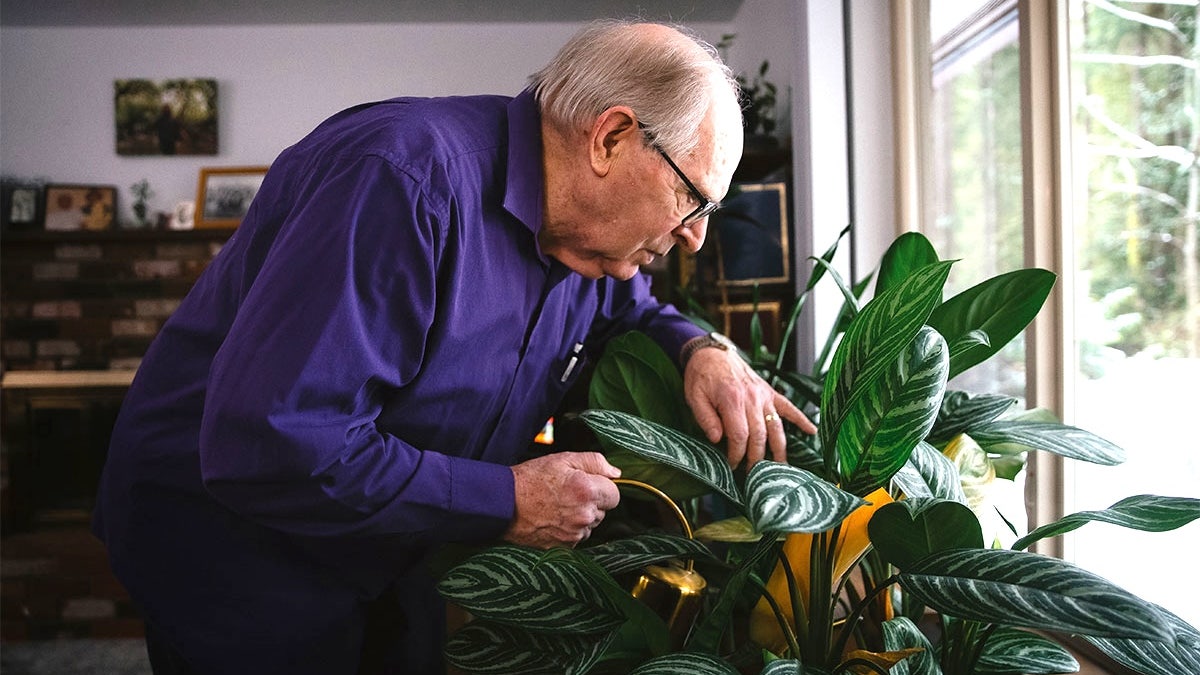
BOSTON, MA – A 76-year-old man from Massachusetts is defying medical expectations by remaining cognitively normal despite carrying a rare genetic mutation guaranteeing the development of Alzheimer’s disease, baffling researchers and offering a potential pathway to groundbreaking new treatments. The case of Michael Whitney is prompting intensive study into the biological factors that may be protecting him from the devastating neurological condition.
Whitney carries a mutation in the APP gene,a genetic anomaly known to cause early-onset familial Alzheimer’s. Individuals with this mutation almost invariably develop symptoms by their late 60s. Yet, after 14 years of observation and rigorous testing, Whitney shows no clinical signs of the disease. His case is being investigated by researchers at Massachusetts General Hospital, who hope to unlock the secrets of his resilience.
“Looking at the advances they’ve made over the last 14 years – it’s amazing,” said Dr.Rudolph Tanzi, director of the Genetics and Aging Research Unit at Massachusetts General hospital, in an interview with Fox news Digital. “It’s imperative that we keep going.”
Alzheimer’s disease affects over 6.7 million americans, according to the Alzheimer’s Association, and is a leading cause of death. While most cases are sporadic, a small percentage – less than 5% – are linked to rare genetic mutations like the one Whitney carries. Understanding why some individuals with these mutations remain unaffected coudl revolutionize preventative strategies and therapeutic interventions.
Researchers have been conducting regular cognitive and neurological assessments,and also brain scans,on Whitney since 2009. They have also analyzed his cerebrospinal fluid and blood, and have obtained tissue samples for further study. The data collected so far has revealed no evidence of amyloid plaque buildup, a hallmark of Alzheimer’s disease, in Whitney’s brain.
“We have made all of the data we have available, and also the tissue samples,” explained Dr. Jose Llibre-Guerra, a neurologist involved in Whitney’s case. “If researchers want to request those to do additional analysis, that’s something we would welcome.”
Whitney remains dedicated to the research, viewing it as his “third career.” He acknowledges the demanding nature of the testing process but remains steadfast in his commitment.
“It’s become my calling,” Whitney said. “When we go for testing, it’s a pretty rigorous day, but after 14 years, I’m used to it now, so that’s not a concern.”
“As long as they need me, I’ll be here. I’m in it for the long haul.”
Researchers are hopeful that further examination into Whitney’s case will uncover the biological mechanisms protecting him from Alzheimer’s, perhaps leading to new targets for drug development and preventative measures for those at high risk.
