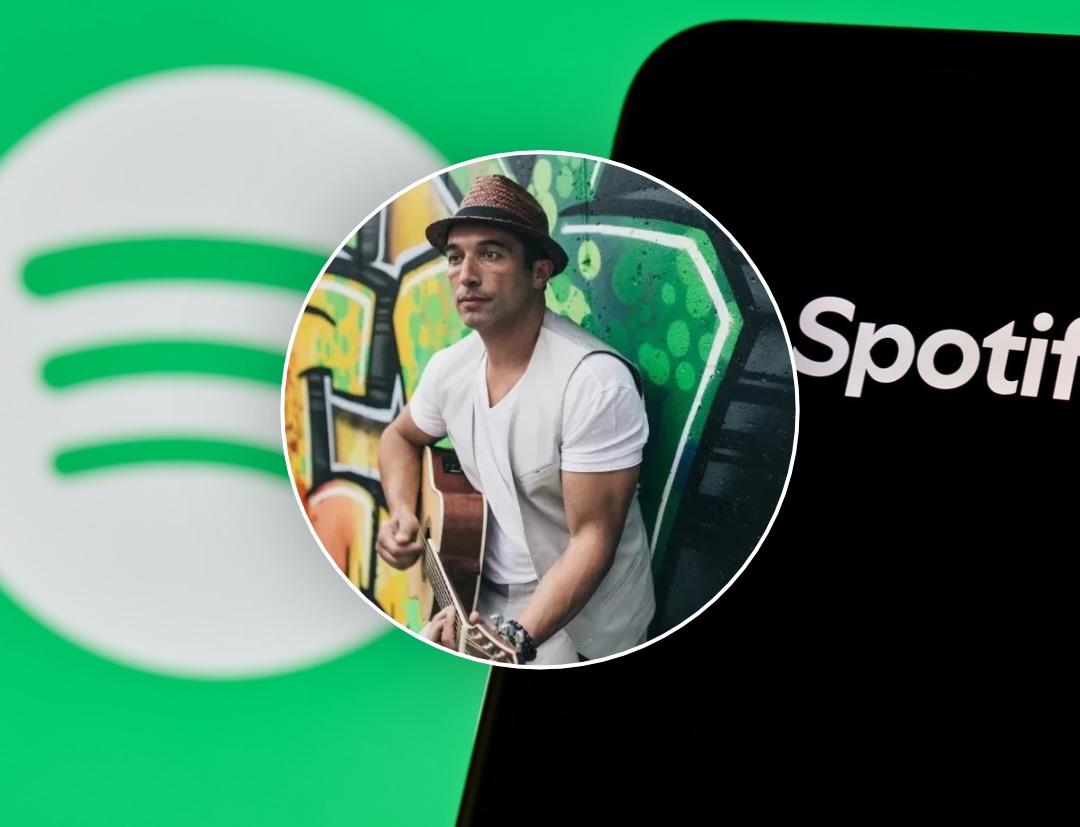
Man Sentenced to Prison in First Criminal AI Music Streaming Fraud Case
Michael Smith, a 54-year-old musician from North Carolina, was sentenced in Manhattan federal court on October 6 to 18 months in prison for running the first-ever criminal streaming fraud scheme using artificial intelligence and automated bot networks.
The Mechanics of the Multi-Million Dollar AI Fraud
According to the US Justice Department, Smith’s operation spanned from 2017 until his arrest in 2024. He initially used automated bots to inflate the play counts of his own music on platforms like Spotify and Apple Music before shifting to mass-producing AI-generated tracks. Smith created as many as 10,000 fraudulent bot accounts to continuously stream these artificial songs billions of times, ultimately raking in more than $8 million in royalties. Smith pleaded guilty in March to one count of conspiracy to commit wire fraud.
The sheer scale of the automated streaming dwarfed traditional pop success. In April 2023 alone, Smith’s catalog generated 80.9 million streams on YouTube Music. This single month’s bot-driven output was roughly nine times the streams generated by Taylor Swift’s entire catalog on the same platform during that timeframe.

Arguments Over Sentencing and Industry Impact
Ahead of the hearing before US District Judge John G. Koeltl, defense lawyers asked for no prison time, arguing in court filings that the financial harm to any single songwriter was minuscule and amounted to “a drop in an ocean.” Federal prosecutors pushed back against that characterization, urging a prison sentence of at least 46 months to deter future offenses and protect hardworking, underpaid songwriters whose royalties were diluted by the scheme.
Judge Koeltl ultimately handed down an 18-month prison sentence followed by two years of supervised release. Smith was also ordered to pay $8,091,843.64 in forfeiture.
Jamie McDonald, the Manhattan federal prosecutor, said in a statement released by the US Justice Department that Smith exploited new technology to commit fraud on a massive scale. “By flooding music streaming platforms with automated bots in the place of consumers, and fake songs in the place of creativity, Smith robbed millions in royalty payments from genuine artists and their fans,” McDonald said.
The Recording Industry Association of America also issued a statement following the sentencing, noting that streaming fraud harms creators and deceives fans while siphoning money directly from the pockets of real artists, songwriters, and their label partners. Meanwhile, the Music Fights Fraud Alliance praised the legal action for addressing behavior that undermines trust in the industry, while cautioning that stopping widespread streaming manipulation will require ongoing enforcement beyond a single case.

Disclaimer: The views and cultural analyses presented in this article are for informational and entertainment purposes only. Information regarding legal disputes or financial data is based on available public records.