
Malaria Fight: Progress, setbacks, and New Hope for Africa
Sub-Saharan Africa remains the epicenter of the global malaria crisis. A staggering two-thirds of the world’s malaria burden is concentrated in just 11 countries within this region. As the world observes World Malaria Day on April 25, it’s crucial to assess the advancements, acknowledge the challenges, and chart a course for future success in combating this deadly disease.
The Numbers: A Mixed Bag
While significant strides have been made, progress has plateaued, and in some instances, reversed. Consider these key statistics:
- Between 2000 and 2015, new malaria cases decreased by 18%, from 262 million to 214 million.However, progress has since stalled.
- The World Health Organization (WHO) estimates that approximately 2.2 billion cases and 12.7 million deaths were averted between 2000 and 2023.
- The WHO’s global target was to reduce new cases by 75% by 2015. Africa, though, reported 246 million cases in 2023, far exceeding the target of 47,000.
- Most African countries with active malaria transmission saw an increase in cases in 2023, with Rwanda and Liberia as notable exceptions.
The Reverse: Understanding the Challenges
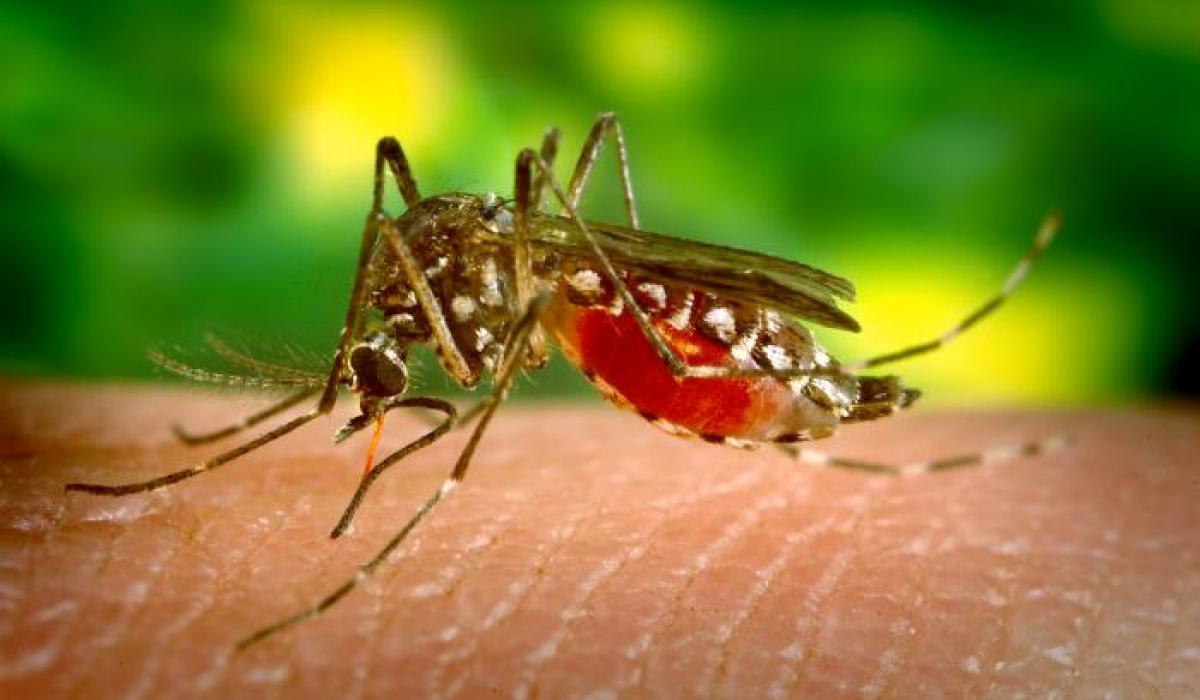
the fight against malaria is fraught with difficulties. The rapid evolution of both parasites and mosquitoes poses a significant hurdle.
- African mosquitoes exhibit a preference for human blood, making them highly effective vectors.
- Mosquitoes have adapted to avoid insecticide-treated surfaces.
It has been demonstrated in South africa that mosquitoes can prick people inside their house, but that they avoid resting on the walls sprayed.
- Widespread insecticide resistance is a major concern.Resistance to pyrethroids is most common, while resistance to organophosphates is present in West Africa.
- Malaria parasites are developing resistance to artemisinin, essential drugs in malaria treatment. This resistance has been confirmed in Eritrea, Rwanda, Tanzania, and Uganda, with molecular markers detected in Namibia and Zambia.
- Parasites have also developed mutations that evade detection by rapid diagnostic tests, necessitating modifications in testing protocols in the Horn of Africa.
Progress: New Tools and Strategies
Despite the setbacks, the fight against malaria has been bolstered by innovative control strategies:
- Malaria Vaccines: After decades of research, the RTS,S and R21 vaccines have been approved by the WHO and are being deployed in 19 African countries. These vaccines have shown promise in reducing cases and deaths in children under five, decreasing severe malaria cases by about 30% and deaths by 17%.
- Improved Insecticide-Treated Nets: New insecticides and chemical components that combat resistance have been incorporated into mosquito nets.
- Novel Tools: Promising options include attractive toxic sugar baits and biological control through modification of mosquito gut bacteria.
- sterilized Mosquitoes: Reducing mosquito populations by releasing sterilized or genetically modified males is under trial in Burkina Faso, showing encouraging results.
- New Antimalarials: Two new antimalarial treatments are expected soon. Artemisinin-based tritherapy, combining artemisinin with another antimalarial, has shown high effectiveness in studies in Africa and Asia. Ganaplacide-Lumenfantrine, the first non-artemisinin-based treatment in over 20 years, has proven effective in young children and could combat artemisinin-resistant parasites.
The Final Objective: A Malaria-Free World
With an expanding arsenal of tools and strategies, the time is ripe to intensify efforts against malaria. In 2020, the WHO identified 25 countries with the potential to eliminate malaria by 2025. While none have yet achieved this goal,some,like Costa Rica and Nepal,have reported fewer than 100 cases,and Timor-Leste reported only one case in recent years.
Three southern African countries—Botswana, Eswatini, and South Africa—are part of this elimination group, but sadly, all experienced an increase in cases in 2023. Thanks to new tools, these countries and many others will be able to eliminate malaria, thus bringing us closer to the dream of a malaria -free world.
