
New data presented at the 2025 American Society of Hematology (ASH) Annual Meeting suggest a significant advancement in the treatment of relapsed or refractory multiple myeloma (RRMM). A Phase 3 study, known as MajesTEC-3, demonstrated that a combination therapy of teclistamab and daratumumab resulted in an 83% reduction in the risk of disease progression or death compared to standard regimens, with nearly three years of follow-up data.
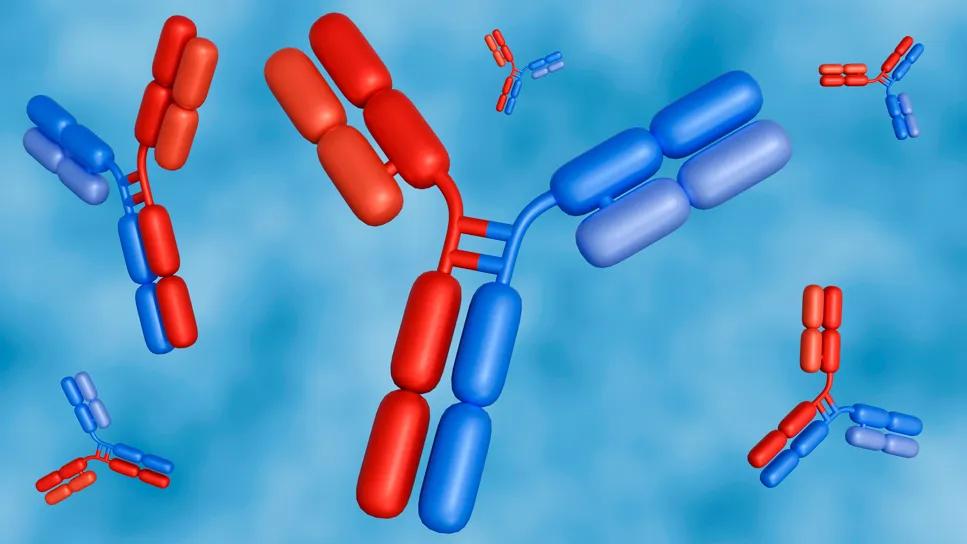
The study, involving 587 patients with RRMM who had received one to three prior lines of therapy, evaluated the efficacy and safety of teclistamab – a BCMA-targeted bispecific antibody – in combination with daratumumab, compared to daratumumab combined with pomalidomide or bortezomib and dexamethasone. Researchers observed a hazard ratio of 0.17 (95% confidence interval, 0.12-0.23. P<0.0001), indicating a substantial benefit for the combination therapy. Notably, 91% of patients who were progression-free at six months remained so at three years.
“The combination of TECVAYLI and DARZALEX FASPRO offers remarkable efficacy, a well-characterized safety profile with robust infection management protocols, and an opportunity to improve patient outcomes across academic and community settings,” said Maria-Victoria Mateos, M.D., Ph.D., Consultant Physician in Hematology, University Hospital of Salamanca, in a statement released by Johnson & Johnson. “It has the potential to change the standard of care as a steroid-sparing combination regimen suited for outpatient administration on the familiar DARZALEX schedule.”
The findings are prompting discussion about the evolving role of cell therapies and steroids in treating RRMM. Previously, CAR T-cell therapy was considered after four lines of therapy, and more recently, after first relapse. The MajesTEC-3 study suggests the potential to move these more targeted therapies, like bispecific antibodies, earlier in the treatment sequence. This is particularly relevant for patients who may not be ideal candidates for CAR T-cell therapy but could benefit from the safety profile of bispecific antibodies.
Initial concerns regarding infection rates associated with the teclistamab and daratumumab combination – 54.1% with grade 3 or 4 infections during the study – have been addressed through preventative strategies. These include the use of immunoglobulins and prophylactic antibiotics, such as sulfamethoxazole-trimethoprim, to protect against Pneumocystis jirovecii pneumonia. Spacing out the frequency of therapy from weekly to biweekly, and then to monthly, has also contributed to a reduction in infection rates.
Hematologists are also debating the long-term sequencing of BCMA-targeted therapies. A traditional approach favored CAR T-cell therapy first, due to its limited alteration of the BCMA target, while chronic exposure to bispecific antibodies carries a higher risk of altering the target itself. Still, some experts suggest teclistamab may be the primary driver of efficacy in this combination, potentially allowing for its use as a single agent at first relapse.
A significant aspect of the MajesTEC-3 study is the omission of steroids after the first treatment cycle. While steroids play a role in myeloma treatment, particularly for newly diagnosed patients or those with high disease burden, and can provide palliative relief for bone pain, clinicians are increasingly seeking to minimize their use due to associated side effects.
Cleveland Clinic is currently participating in the MajesTEC-7 study, which is evaluating combinations of teclistamab, daratumumab, and lenalidomide against talquetamab, daratumumab, and lenalidomide, as well as standard care with daratumumab, lenalidomide, and dexamethasone in patients ineligible for or choosing to defer autologous stem cell transplant. The results of MajesTEC-7 may further reshape the role of transplant in the treatment of multiple myeloma.
Challenges remain in making these advanced therapies more accessible in community settings, particularly regarding the safe management of potential toxicities like cytokine release syndrome (CRS). Partnerships between academic medical centers and community practices, where academic centers manage the initial phases of treatment and toxicity, are being explored as a solution. Improved preventative strategies, such as upfront tocilizumab administration, have also demonstrated a reduction in CRS rates.
