
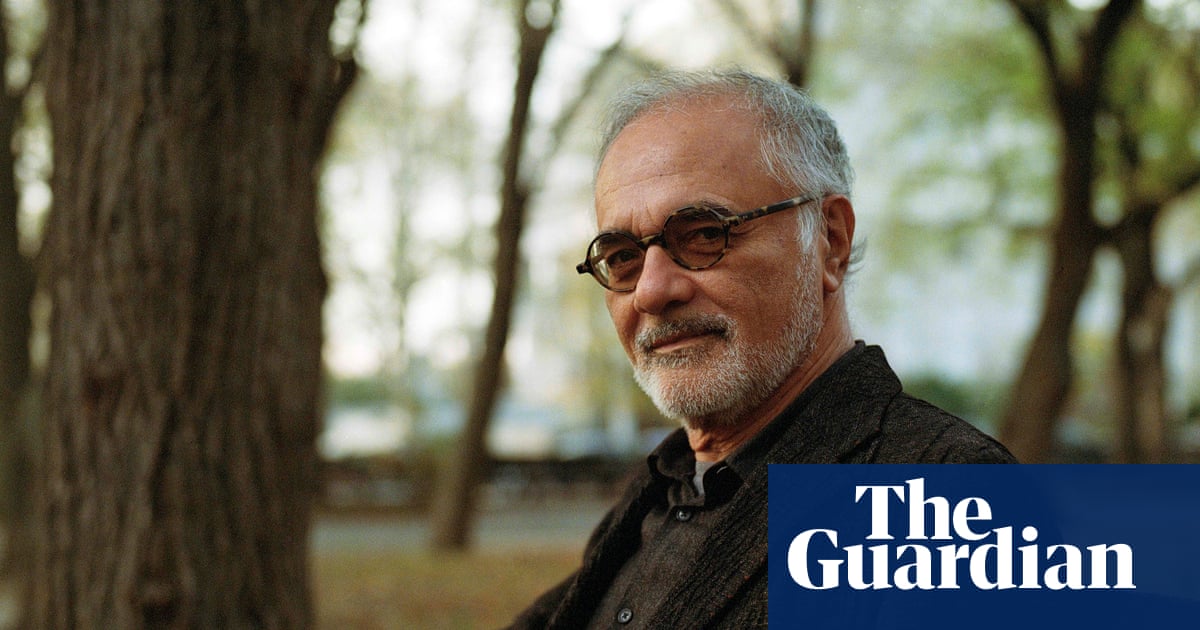
Columbia Professor Mahmood Mamdani plans Return to Teaching Amid Academic Freedom Concerns, Reflects on Power & Son’s Political Rise
NEW YORK – Renowned scholar Mahmood Mamdani intends to return to teaching at Columbia University despite ongoing debates surrounding academic content oversight, signaling a commitment to shaping the university’s future. The proclamation comes as Mamdani discusses his complex relationship with power, his past rejections of direct involvement in ugandan politics under Yoweri Museveni, and his approach to the recent election of his son, Zohran Mamdani, to the New York City Council.
Mamdani, author of Slow Poison, detailed the evolution of the book’s narrative, explaining how his family – including his wife, Mira – urged him to incorporate his own experiences and outlook. He described a shift from striving for detached objectivity to acknowledging the inherent “positionality” of any observer, recognizing that a limited vantage point can be both a strength and a source of bias.
“Different versions of the book insert me more and more and compel me to understand the difference between the claim to objectivity and an understanding of positionality – that you are a limited witness who is looking at events from a particular vantage point, and that vantage point is both your strength and colors you,” Mamdani explained.
He acknowledged the corrupting influence of power on intellectuals, citing numerous examples from his own observations. “Power is a fatal thing for intellectuals. It corrupts intellectuals. I’ve seen many, many, many a friend get corrupted in the process,” he stated.
Mamdani recounted multiple instances where President Museveni invited him to join his government, offers he consistently declined. This experience informed a final paragraph added to Slow Poison addressing the ethical dilemmas faced by intellectuals engaging with power, specifically the risks of corruption and the pursuit of “clean hands.” He concluded that paragraph with the unresolved sentiment: “For now at least, we explore for an answer in the realm of practice.”
Regarding his son Zohran’s political career, Mamdani outlined a strategy of “arm’s length availability,” mirroring their dynamic during the campaign.”Mira and I will have the relationship we did during the campaign, which is to stay at an arm’s length but always be available,” he said, emphasizing a willingness to offer counsel and perspective without assuming a role as his son.
