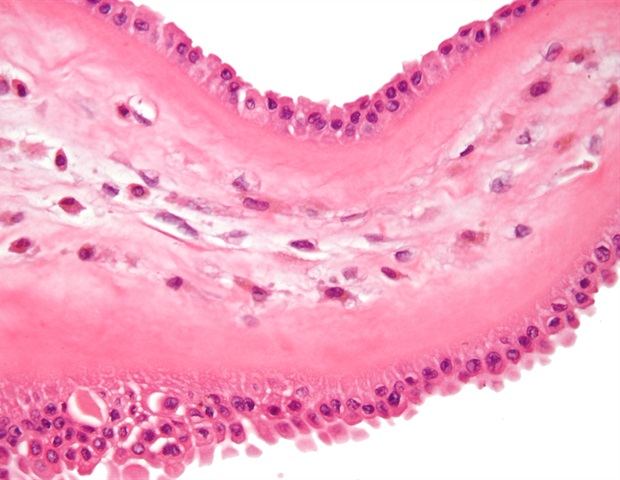
Macrophage Cell Swelling Boosts Inflammatory Immune Response
The innate immune system is a precision machine, but its most versatile soldiers—macrophages—may possess a hidden trigger for inflammation: their own physical volume. Recent findings suggest that the mere act of cell swelling can signal these immune cells to amplify their inflammatory response, potentially altering our understanding of how chronic inflammation is sustained in the human body.
Key Clinical Takeaways:
- Physical expansion (swelling) of macrophages acts as a biological catalyst for stronger pro-inflammatory immune responses.
- This volumetric trigger is linked to the activation of innate immune pathways that govern the release of inflammatory cytokines.
- Targeting the mechanisms of cell swelling may provide a novel therapeutic avenue for treating autoimmune and systemic inflammatory disorders.
The pathogenesis of many chronic diseases relies on the delicate balance between the inflammatory (M1) and the resolving (M2) phenotypes of macrophages. When this balance shifts toward a persistent M1 state, the result is often systemic morbidity, characterized by tissue destruction and organ dysfunction. The discovery that cell swelling—a physical change in the cell’s morphology—can trigger this inflammatory cascade suggests that the mechanical environment of the tissue is just as critical as the chemical signals present.
The Volumetric Trigger and the Inflammatory Cascade
At the cellular level, macrophages maintain a strict osmotic equilibrium. When this equilibrium is disrupted, leading to an influx of water and subsequent cell swelling, the cell does not merely expand; it reacts. This physical distension is believed to activate the NLRP3 inflammasome, a multiprotein complex that serves as a sensor for cellular stress. Once activated, the inflammasome triggers the maturation and secretion of potent pro-inflammatory cytokines, specifically Interleukin-1 beta (IL-1β) and Interleukin-18.

This mechanism transforms a mechanical stimulus into a biochemical signal. In a healthy system, this would alert the body to cellular damage or the presence of a pathogen. However, in pathological states where osmotic stress is chronic, this “volume-sensing” trigger can lead to a loop of hyper-inflammation. For patients struggling with these systemic responses, the clinical priority is identifying the root cause of the osmotic imbalance. It is highly recommended to consult with board-certified immunologists to determine if a patient’s inflammatory profile is being driven by these innate cellular triggers.
“The realization that physical cell volume can dictate the intensity of an immune response shifts our focus from purely ligand-receptor interactions to the biomechanics of the cell. We are looking at a paradigm where the physical state of the macrophage is the primary driver of the cytokine storm.”
Clinical Implications for Autoimmune and Metabolic Disease
The implications of swelling-induced inflammation extend far beyond basic biology. In conditions such as metabolic syndrome, non-alcoholic steatohepatitis (NASH) and certain forms of arthritis, macrophages often infiltrate tissues that are already under osmotic or metabolic stress. In these environments, the macrophages swell, triggering an inflammatory response that further damages the surrounding tissue, creating a feedback loop of morbidity.
This research, supported by funding from the National Institutes of Health (NIH) and detailed in foundational studies published in Nature Communications, highlights a significant gap in the current standard of care. Most current anti-inflammatory therapies target the cytokines themselves—the “smoke” of the fire—rather than the cellular triggers like volumetric stress—the “spark.”
For those experiencing chronic joint inflammation or systemic autoimmune flares, navigating the transition from general steroids to targeted biologics is a complex process. Patients are encouraged to seek guidance from specialized rheumatology clinics to explore therapies that may modulate these deeper innate immune pathways.
Bridging the Gap Between Morphology and Therapy
The shift toward “mechanobiology” in immunology opens the door for a new class of therapeutics. If pharmacological agents can stabilize the osmotic pressure within macrophages or inhibit the volume-sensing proteins of the inflammasome, clinicians may be able to dampen inflammation without suppressing the entire immune system. This would significantly reduce the contraindications and side effects associated with broad-spectrum immunosuppressants.
Integrating this knowledge into clinical practice requires a multidisciplinary approach. Diagnostic centers are increasingly adopting advanced imaging and biomarkers to track macrophage infiltration and activation in vivo. For pharmaceutical developers and clinical researchers, the focus is now shifting toward small molecules that can regulate ion channels—such as potassium and sodium channels—which control the water flux into the macrophage.
As the medical community moves toward more personalized medicine, the ability to map a patient’s specific cellular triggers will be paramount. This requires a rigorous diagnostic pipeline, often beginning with high-resolution pathology and moving toward genomic sequencing to identify predispositions to inflammasome overactivity. Providers seeking to upgrade their diagnostic capabilities often engage with advanced diagnostic centers to implement these cutting-edge assays.
The Future of Volumetric Immunology
We are entering an era where the physical geometry of a cell is recognized as a critical piece of clinical data. The discovery that macrophage swelling triggers inflammation is not merely a biological curiosity; it is a roadmap for future interventions. By treating the cell as a physical entity subject to the laws of fluid dynamics and osmotic pressure, we can develop more precise tools to halt the progression of inflammatory diseases.
The trajectory of this research suggests that the next generation of anti-inflammatory drugs will not just block a receptor, but will maintain cellular homeostasis. Until these therapies reach Phase III trials and widespread clinical adoption, the most effective strategy remains early intervention and the use of vetted specialists who can manage the complexities of the innate immune response. Finding a provider who stays abreast of these biomechanical breakthroughs is the first step toward a more targeted and effective treatment plan.
Disclaimer: The information provided in this article is for educational and scientific communication purposes only and does not constitute medical advice. Always consult with a qualified healthcare provider regarding any medical condition, diagnosis, or treatment plan.