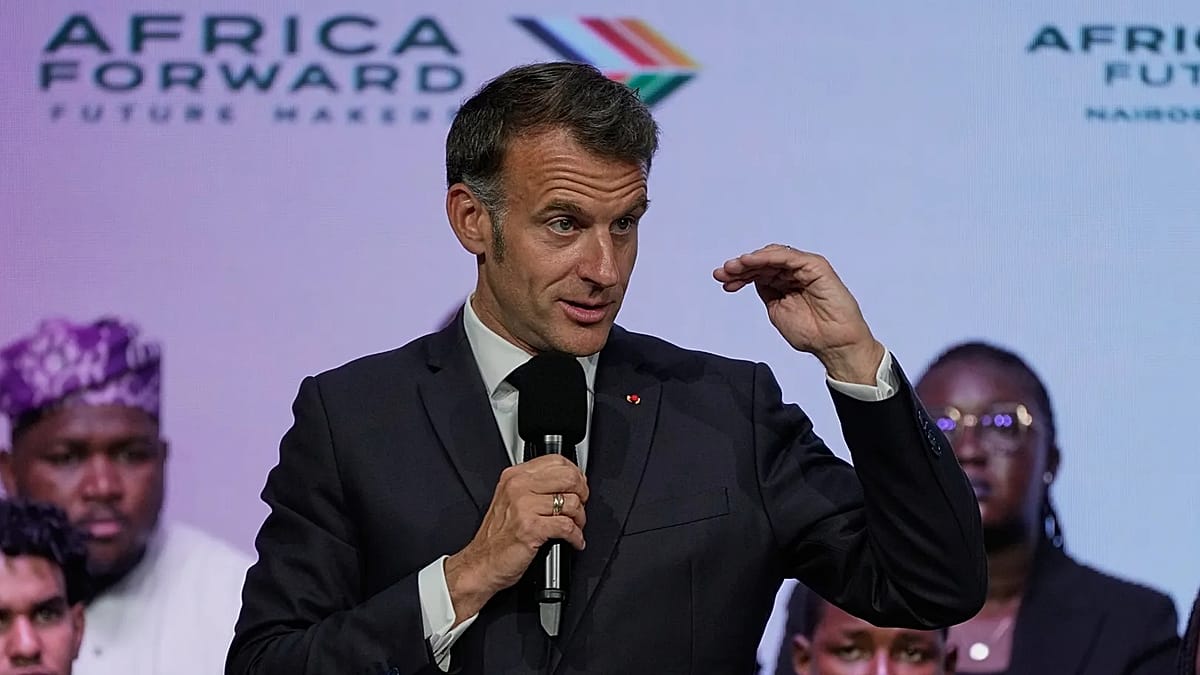
Macron Promotes European Autonomy at France-Africa Summit
French President Emmanuel Macron is currently leading a two-day summit aimed at renewing France’s engagement with African nations. By advocating for a “strategy of autonomy” for Europe, Macron seeks to transition the relationship from traditional aid to a model of mutual investment and strategic independence to secure European influence in the region.
The geopolitical landscape of the African continent is shifting beneath the feet of European powers. For decades, the relationship between France and its former colonies was defined by a paternalistic structure of assistance and security oversight. That era is over. The rise of competitive infrastructure financing from East Asia and the increasing security presence of private military companies from the East have created a vacuum that Europe can no longer ignore.
This summit is not merely a diplomatic formality; It’s an admission of vulnerability. When Macron speaks of a “strategy of autonomy,” he is acknowledging that Europe cannot rely on external security umbrellas or outdated colonial frameworks to maintain its relevance. The problem is clear: Europe is losing its grip on strategic minerals and diplomatic loyalty in Africa. The solution, as proposed by the French presidency, is a pivot toward high-value investment and a partnership of equals.
The Architecture of Strategic Autonomy
At its core, the “strategy of autonomy” is about decoupling European interests from a dependence on third-party superpowers. In the context of Africa, this means creating a European financial and political ecosystem that can compete with the scale of the Belt and Road Initiative without sacrificing democratic standards or environmental regulations.

This shift requires a fundamental redesign of how capital flows into African markets. We are seeing a move away from the “grant-based” model—which often created cycles of dependency—toward equity-based investments in infrastructure, green energy, and digital transformation. This is a high-stakes gamble. For European firms, it means entering markets with higher perceived risks but significantly higher long-term rewards.
However, navigating these new waters is a logistical and legal minefield. As European companies move from providing aid to establishing commercial ventures, the need for rigorous legal protections has skyrocketed. Many are now turning to specialized international trade attorneys to draft agreements that protect assets while respecting the sovereignty of host nations.
“The transition from a donor-recipient relationship to a strategic partnership is the only way Europe survives in Africa. If the value proposition is only about ‘values’ and not ‘value,’ the continent will continue to look elsewhere for its growth.”
The Economic Pivot: From Aid to Asset
The “strategy of autonomy” isn’t just a political slogan; it’s a macroeconomic pivot. France is urging a surge in private sector investment, recognizing that government budgets alone cannot compete with the massive infrastructure projects being deployed by non-European rivals. The focus is shifting toward several key pillars:
- Energy Sovereignty: Investing in hydrogen and solar projects to help Africa industrialize while providing Europe with a diversified energy supply.
- Digital Infrastructure: Building the backbone of the African internet and mobile banking systems to ensure European tech standards remain competitive.
- Critical Minerals: Securing ethical supply chains for cobalt, lithium, and copper, which are essential for the global transition to electric vehicles.
This transition creates a massive opportunity for the private sector, but it also introduces systemic risk. The volatility of regional currencies and the complexity of local land-use laws mean that blind investment is a recipe for failure. To mitigate this, forward-thinking firms are engaging strategic investment consultants who specialize in emerging market entry and risk assessment.
For a deeper understanding of the frameworks governing these transitions, the European Commission’s Global Gateway provides the broader blueprint for how the EU intends to mobilize sustainable investments globally.
Regional Friction and Local Realities
The success of Macron’s vision depends entirely on how it is received in cities like Dakar, Bamako, and Nairobi. In the Sahel region, the sentiment toward French influence has been fraught with tension. The “strategy of autonomy” must be perceived not as a new form of European control, but as a genuine invitation to co-develop the continent’s future.
The local impact is most visible in the infrastructure sector. When Europe invests in a port or a railway, it isn’t just about the concrete; it’s about the municipal laws and labor standards that accompany the project. This shift is forcing local governments to modernize their regulatory frameworks to attract European capital, which often demands higher transparency than that of other global competitors.
Because these projects often involve complex land rights and environmental impact assessments, the demand for sustainable development engineers and urban planners has spiked. These professionals are the ones who translate high-level diplomatic “autonomy” into actual bridges and power grids.
“We see a growing appetite for partnerships that respect local agency. The shift toward investment over aid is welcomed, provided that the investment creates local jobs and transfers technology rather than simply extracting raw materials.”
This sentiment is echoed in the goals of the African Union, which emphasizes the “Agenda 2063” framework for a prosperous and integrated continent. The alignment—or misalignment—between Macron’s “autonomy” and the AU’s “Agenda 2063” will determine the longevity of this summit’s outcomes.
The road to strategic autonomy is long and littered with the remnants of failed diplomatic experiments. President Macron is attempting to build a bridge while the river is flooding, fighting against a tide of anti-colonial sentiment and aggressive global competition. If Europe can successfully pivot to a model of genuine economic partnership, it may secure its place in the 21st century. If it fails, “autonomy” will be remembered as a buzzword for a receding influence.
As these partnerships evolve, the gap between political intent and operational reality will only widen. Those who can navigate the legal, financial, and structural complexities of this new era will be the ones to thrive. Whether you are a corporation eyeing the African market or a civic organization managing regional development, finding verified professionals through the World Today News Directory is the only way to ensure your strategy is built on a foundation of expertise rather than optimism.