
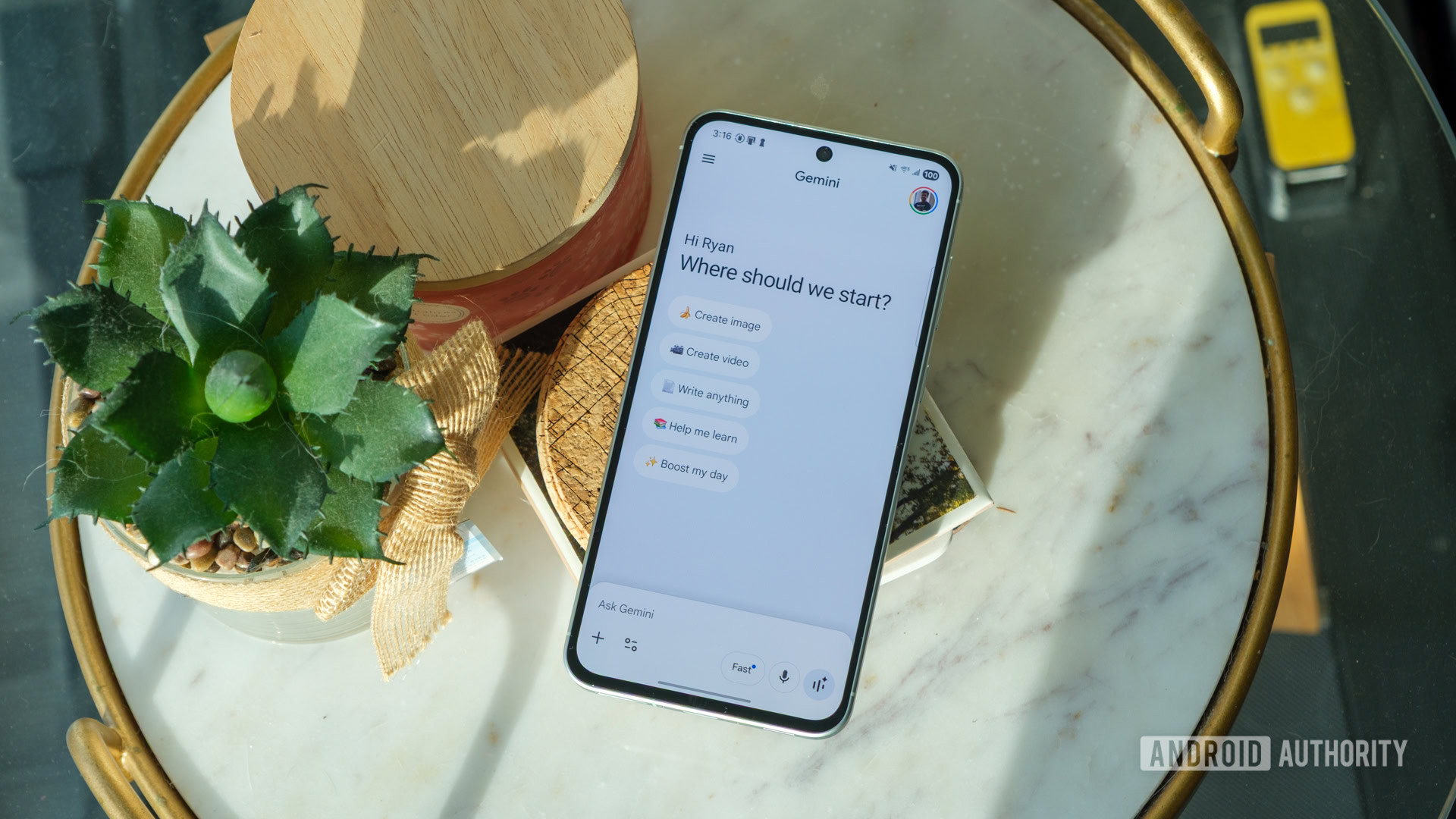
Lyria 3 Pro Launches on Gemini App with 3 Minute AI Music Tracks
Google’s Lyria 3 Pro Pushes Generative Audio to Enterprise Lengths, But Latency Remains the Bottleneck
Google just flipped the switch on Lyria 3 Pro within the Gemini ecosystem, extending generative audio tracks from 30-second loops to full three-minute compositions. While marketing teams will celebrate the creative potential, engineering leaders need to look at the inference costs and watermarking integrity before integrating this into production pipelines. The update lands alongside Vertex AI expansions, signaling a shift from novelty toy to enterprise asset, but the underlying architecture still struggles with real-time latency constraints.
The Tech TL;DR:
- Lyria 3 Pro supports 3-minute track generation with structural awareness (verse, chorus, bridge) via Gemini Advanced and Vertex AI.
- SynthID audio watermarking is mandatory for all outputs, though detection reliability varies across compression codecs.
- Rate limits are tiered by subscription, capping enterprise throughput at 50 tracks daily for Ultra users without custom quota increases.
Extending generative audio from snippets to full song structures introduces significant computational overhead. A 30-second clip requires minimal context window management, but maintaining thematic consistency over 180 seconds demands a larger transformer attention mechanism. Google claims Lyria 3 Pro understands composition techniques, yet the real test lies in coherence during complex transitions. For CTOs evaluating this for background music in corporate videos or apps, the question isn’t just quality—it’s whether the cloud infrastructure costs justify the output compared to licensing stock audio.
Deployment starts this week across Gemini, Vertex AI, and Google AI Studio. Still, relying on a closed-source model for commercial assets introduces supply chain risk. If Google alters terms or discontinues the API, enterprises lose access to their generated library. This dependency necessitates a review of vendor lock-in strategies, often requiring consultation with intellectual property legal tech firms to ensure generated melodies don’t infringe on existing copyrights despite Google’s indemnity claims.
Comparative Analysis: Lyria 3 Pro vs. Market Alternatives
To understand where Lyria 3 Pro fits in the 2026 stack, we need to benchmark it against dedicated audio generation competitors. The following matrix breaks down the technical specifications based on available documentation and community testing.
| Feature | Google Lyria 3 Pro | Suno v4 | Udio v2 |
|---|---|---|---|
| Max Duration | 3 minutes (single pass) | 4 minutes (stitched) | 3.5 minutes |
| Architecture | Transformer + Diffusion | Proprietary Diffusion | Latent Diffusion |
| Watermarking | SynthID Audio (Embedded) | None (Public) | Metadata Only |
| API Access | Vertex AI / Gemini API | Limited Beta | Enterprise Tier |
| Latency (Avg) | ~45 seconds | ~30 seconds | ~35 seconds |
Google’s commitment to SynthID watermarking distinguishes Lyria from competitors who rely on metadata tags that can be stripped. This embedded signal survives format conversion, crucial for compliance in regulated industries. However, independent verification remains sparse. Security researchers argue that watermarking alone doesn’t prevent copyright litigation if the model trained on disputed datasets. Organizations handling sensitive brand assets should engage AI security auditors to validate the robustness of these watermarks against adversarial removal techniques.
“Watermarking is a compliance checkbox, not a security control. We’ve seen SynthID signals degrade significantly after MP3 compression at 128kbps. Enterprises need layered verification, not just trust in the provider’s claim.” — Elena Rosetti, CTO at AudioSec Labs
Integration into Vertex AI suggests Google is targeting developers who need programmatic access rather than casual users clicking buttons in a chat interface. This opens the door for automated video production pipelines where background scores are generated on the fly. Yet, the rate limits pose a hard ceiling. Generating 50 songs per day might suffice for a small marketing team, but a media production house requiring hundreds of variants will hit throttling issues immediately. Scaling requires negotiating enterprise quotas, which often involves proving use cases to Google’s sales engineering team.
Implementation: Vertex AI API Integration
For developers ready to test the latency and quality firsthand, the Gemini API provides a direct endpoint. Below is a cURL request structure for invoking Lyria 3 Pro via Vertex AI. Note the specific parameter for duration enforcement, which is critical for preventing truncation in longer generations.
curl -X POST https://us-central1-aiplatform.googleapis.com/v1/projects/PROJECT_ID/locations/us-central1/publishers/google/models/lyria-3-pro:predict -H "Authorization: Bearer $(gcloud auth print-access-token)" -H "Content-Type: application/json" -d '{ "instances": [ { "prompt": "Upbeat synthwave track with complex bridge transition", "duration_seconds": 180, "structure": ["intro", "verse", "chorus", "bridge", "outro"] } ], "parameters": { "temperature": 0.7, "watermark": true } }' Executing this request reveals the actual inference time, which often exceeds the marketing estimates during peak load hours. Monitoring token consumption and latency metrics is essential for cost control. Unexpected spikes in generation time can indicate backend congestion, requiring fallback strategies such as caching pre-generated loops or switching to local inference models for non-critical tasks.
The rollout also highlights a broader trend in 2026: the convergence of multimodal models. Lyria isn’t isolated; it interacts with Veo for video and Nano Banana for images. This interoperability creates a unified content generation stack but complicates the security posture. A vulnerability in one model could potentially expose prompts or data across the suite. Rigorous cybersecurity consulting is necessary to isolate these services within a VPC and ensure no sensitive data leaks into the training pipeline via prompt injection.
Google’s assertion that Lyria won’t mimic specific creators even if named in a prompt is a legal safeguard, not a technical guarantee. Latent space proximity means outputs can still sound suspiciously similar to protected works. Enterprises must maintain their own audit logs of generated content. Relying solely on Google’s terms of service is insufficient for due diligence. The technology is shipping, but the governance framework around it is still catching up.
As generative audio moves from experimentation to production, the focus shifts from capability to controllability. Lyria 3 Pro offers length and structure, but the enterprise value lies in how well it integrates into secure, compliant workflows. Without proper oversight, these tools become liability generators rather than productivity multipliers. The directory exists to connect teams with the specialists who can bridge that gap between innovation and risk management.
Disclaimer: The technical analyses and security protocols detailed in this article are for informational purposes only. Always consult with certified IT and cybersecurity professionals before altering enterprise networks or handling sensitive data.