
Luminar’s Fall From Grace: Bankruptcy, a $22 Million Lidar Sale, and a Subpoena for its Founder
Lidar technology firm Luminar is facing a critical juncture as it navigates bankruptcy proceedings. the company has accepted a $22 million offer from Quantum Computing Inc. for its lidar business, but this deal is contingent on receiving perhaps better bids by 5:00 p.m. CT on Monday. This comes after Luminar filed for Chapter 11 bankruptcy protection in December, signaling a dramatic downturn for the once high-flying tech company.
A Rapid Descent from $11 Billion Valuation
Luminar’s current predicament represents a stark contrast to its peak valuation of approximately $11 billion in 2021 [1]. That valuation was fueled by optimistic projections surrounding the widespread adoption of its lidar sensors by major automotive manufacturers. Volvo, as a notable example, initially planned to purchase over 1 million Luminar sensors, but ultimately abandoned the deal in 2025 [1]. Similar partnerships with Mercedes-Benz and Polestar also dissolved, leaving Luminar struggling to secure the large-scale contracts needed to sustain its growth.
What is Lidar and Why Did Luminar Struggle?
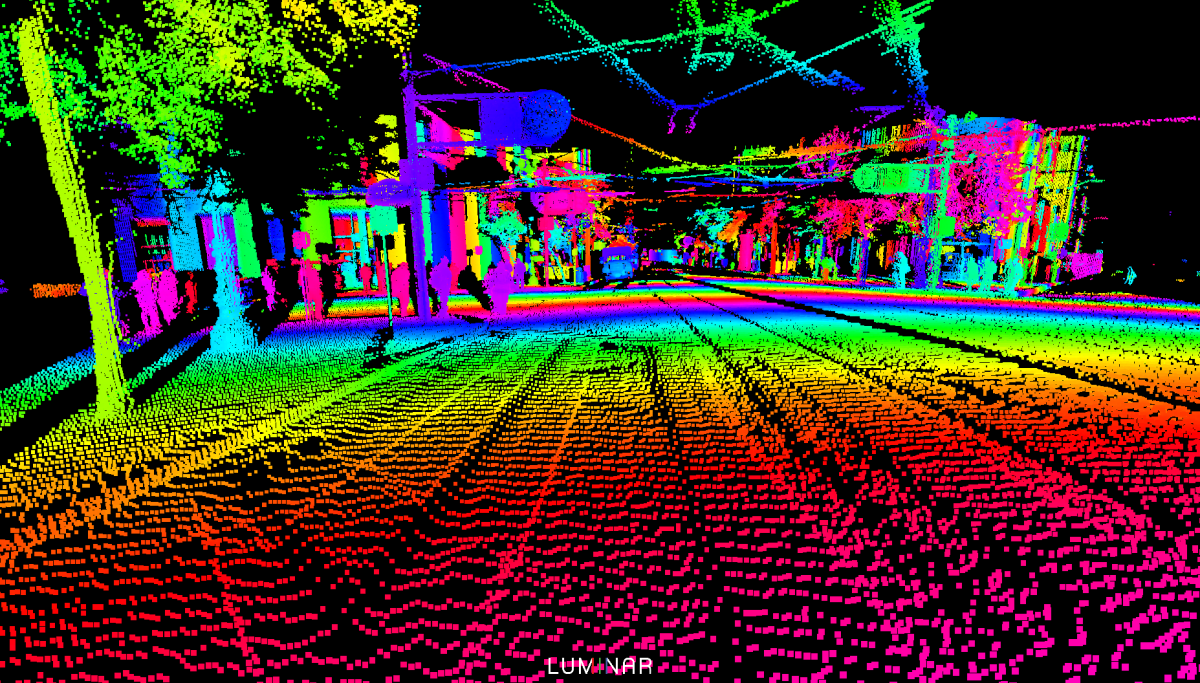
Lidar, which stands for Light Detection and Ranging, is a remote sensing technology that uses laser light to create a 3D map of the surrounding surroundings.It’s a crucial component for advanced driver-assistance systems (ADAS) and fully autonomous vehicles, enabling them to “see” and navigate the world around them.
Luminar’s struggles highlight the challenges of bringing emerging technologies to market. While the promise of self-driving cars was – and remains – compelling, the path to full autonomy has proven more complex and expensive than initially anticipated. Automakers have faced regulatory hurdles, technological limitations, and shifting consumer preferences, all of which impacted demand for lidar systems.Moreover, competition in the lidar space intensified, putting pressure on pricing and margins.
The Quantum Computing Inc. Deal and the “Stalking Horse” Bid
Quantum Computing Inc. has already agreed to purchase Luminar’s semiconductor subsidiary for $110 million. The current $22 million offer for the lidar business is structured as a “stalking horse” bid [1]. This means it sets a baseline price for other potential buyers.Luminar is actively seeking higher offers, and the bankruptcy court must approve any final sale. The company aims to expedite the bankruptcy process, with financial institutions – its primary creditors – providing funding for the proceedings.
A Complicated History for the Acquirer: Quantum Computing Inc.
Interestingly, Quantum Computing Inc. has a rather unconventional history. Originally founded in 2001 as Ticketcart, an online retailer of ink-jet cartridges [2], the company underwent several transformations. It acquired a beverage company in 2007, restructured a decade later, and ultimately pivoted to developing optic technology for the emerging field of quantum computing. In 2025, Quantum Computing Inc. raised over $700 million through share sales [2], but its revenue for the frist nine months of last year was a modest $384,000. This raises questions about the strategic rationale behind acquiring Luminar’s lidar assets.
Legal Battles and the Fate of Austin Russell
Adding another layer of complexity, Luminar is attempting to serve a subpoena to its founder and former CEO, Austin Russell [1]. The company is investigating potential legal claims against Russell stemming from an ethics inquiry that led to his resignation last May. Russell had previously expressed interest in acquiring the company himself, even making a bid before the bankruptcy filing.The outcome of the subpoena and any subsequent legal proceedings could considerably impact the future of Luminar and its stakeholders.
Looking Ahead
The next few days will be crucial for Luminar. Whether a higher bid emerges for its lidar business remains to be seen.irrespective of the outcome, the company’s story serves as a cautionary tale about the risks associated with disruptive technologies and the importance of sustainable business models. The acquisition by Quantum Computing Inc., if finalized, could represent a new chapter for the lidar technology, but its ultimate success will depend on the acquirer’s ability to integrate the assets and navigate the evolving landscape of the autonomous vehicle industry.
