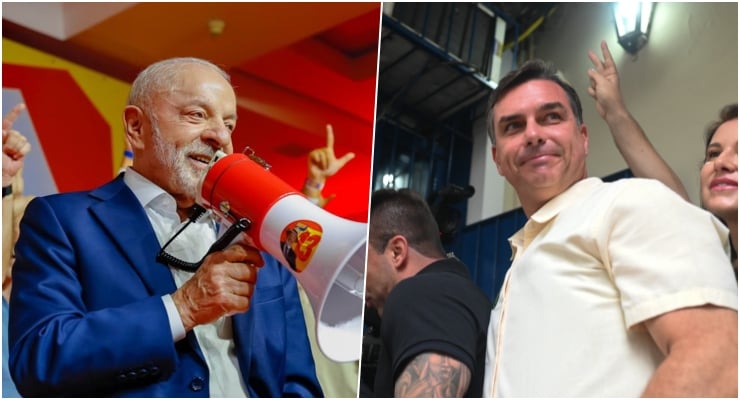
Lula da Silva Wins Brazilian Presidential Election as Bolsonaro Challenges Results
Luiz Inacio Lula da Silva won Brazil’s presidential runoff with 51.79 percent of the vote, defeating right-wing challenger Flavio Bolsonaro and securing a fourth term. The October 25 election outcome makes Lula the first candidate in Brazil’s post-dictatorship history to win a runoff after finishing second in the initial round of voting.
Lula Secures Fourth Presidential Term in Historic Runoff Reversal
Brazil’s general election concluded with the incumbent Workers’ Party (PT) candidate securing 64 milyon 168 bin votes, while senator Flavio Bolsonaro gathered 59 milyon 790 bin votes, representing 48.23 percent of the total. Figures show 99.89 percent of ballots processed, confirming a victory margin for the 80-year-old leader. In the October 4 first round, Flavio Bolsonaro led with 47 percent against Lula da Silva’s 45.2 percent, leaving both candidates short of an absolute majority and forcing the race into a second ballot.
During his victory speech in São Paulo, Lula da Silva expressed gratitude to the Brazilian public for their long-standing generosity. The re-elected president emphasized his educational trajectory, stating he is the only four-time democratically elected head of state in the country without a university diploma. He pledged to expand full-day education through high school during his upcoming term.
Flavio Bolsonaro Challenges Voting Extension
Flavio Bolsonaro refused to concede defeat, declaring the outcome unacceptable and announcing that his legal team would work to invalidate the election. The conservative senator pointed to a decision by Federal Yüksek Mahkeme (STF) Cristiano Zanin, who extended voting hours by two hours following requests from Lula’s campaign regarding public transit disruptions and severe rainstorms. Bolsonaro argued during a press conference that altering voting rules mid-stream violated the principle of equality among Brazilians and made the final count impossible to accept.
Brazilians celebrate across the country as Luiz Inacio Lula da Silva wins presidential election against Flavio Bolsonaro.🟠 More on https://t.co/MbrRGkFKRg pic.twitter.com/VFn0vrTct7
The Electoral Court (TSE) formally recognized the results, with TSE Kassio Nunes Marques confirming that Lula da Silva will take office as the 40th President of the Federal Republic of Brazil on January 5, 2027. The dispute echoes the 2022 election cycle, when Flavio’s father, former Jair Bolsonaro, likewise contested his loss to Lula before election authorities dismissed his challenges.
Regional Divides Shape Electoral Maps
Electoral maps highlighted regional divides across the South American nation. Conservative candidates retained local strongholds in states such as Acre, Amazonas, and Espirito Santo, while PT candidates secured victories in northeastern regions, including Rio Grande do Norte, Bahia, Ceara, and Piaui. Lula positioned his candidacy as a vote for democracy and a barrier against the return of the Bolsonaro family to power, managing diplomatic friction with the U.S. President Donald Trump over trade tariffs and the ongoing legal proceedings facing Jair Bolsonaro.

Addressing global and domestic policy priorities in post-election statements, Lula outlined plans to develop a homegrown artificial intelligence sector utilizing national renewable energy infrastructure. He highlighted environmental data showing ongoing reductions in Amazon deforestation and called for stricter regulatory alignment between digital crimes and physical offenses regarding technology platforms.
Legal challenges from the Bolsonaro campaign remain pending before the high court, leaving the formal timeline of post-election disputes unresolved as election authorities prepare for the January inauguration.
More on Silva
BREAKING:Brazil's president Lula da Silva has won a fourth term, defeating Flávio Bolsonaro in a closely contested presidential election. pic.twitter.com/KG1dnGMUhc