
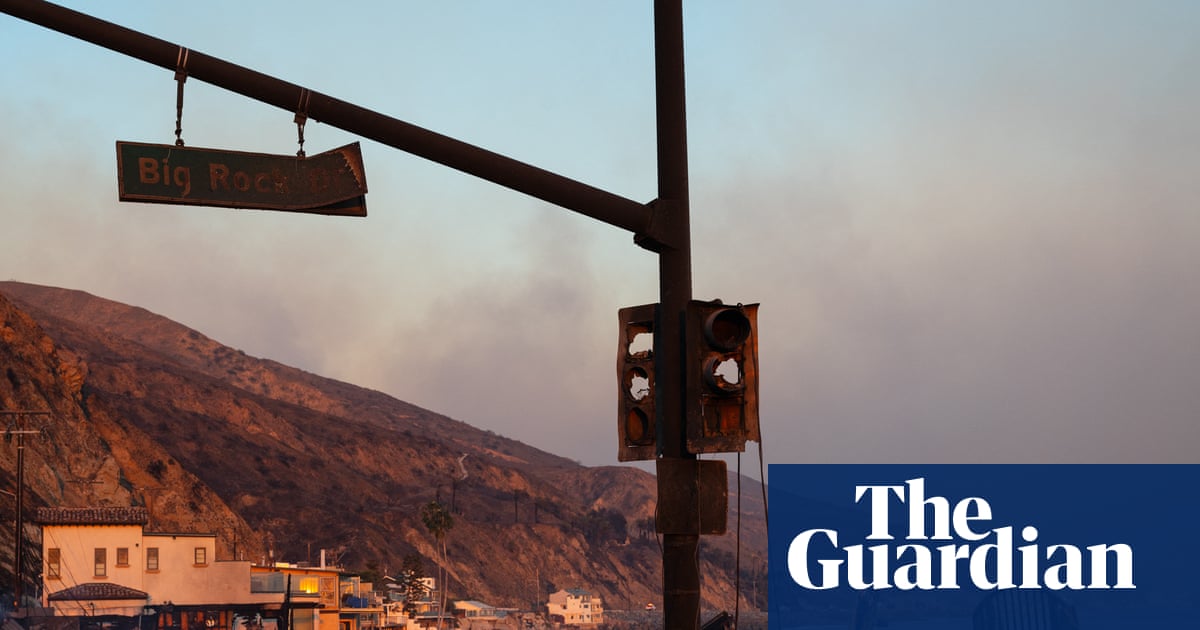
Cedars‑Sinai Medical Center is now at the center of a structural shift involving wildland‑urban‑interface (WUI) fire health impacts. The immediate implication is a measurable surge in cardiovascular and systemic disease burden that pressures acute‑care capacity and insurance risk models.
The Strategic Context
Over the past two decades, the United states has experienced a steady rise in the frequency and intensity of wildfires, driven by climate‑induced temperature anomalies, prolonged drought, and expanding urban development into fire‑prone landscapes. The WUI phenomenon-where residential zones intersect with combustible wildland-creates a feedback loop: dense housing amplifies fire spread, while the combustion of household materials (plastics, batteries, electronics) releases a complex toxic plume that exceeds the respiratory hazards of ”natural” wildfires.This structural environment has already reshaped municipal budgeting, insurance underwriting, and public‑health planning across the West Coast.
Core Analysis: Incentives & Constraints
Source Signals: The study documents a 46% rise in emergency‑room visits for heart‑attack symptoms, a 24% increase in pulmonary illness, and a 118% spike in blood‑test abnormalities among residents within the fire‑affected zip codes. The research attributes these outcomes to biochemical and metabolic stress triggered by exposure to WUI fire emissions. The fires destroyed thousands of structures and resulted in significant loss of life.
WTN interpretation:
- Healthcare providers* (Cedars‑Sinai,local hospitals) are incentivized to expand acute‑care capacity,secure funding for post‑disaster health monitoring,and lobby for stricter air‑quality controls,because elevated morbidity directly translates into higher service demand and potential reputational risk.
- Insurers* face rising claim frequencies for cardiovascular events and chronic organ‑system disorders, prompting them to reassess underwriting criteria for properties in WUI zones and to pressure legislators for tighter building‑code enforcement.
- Municipalities* aim to protect tax bases and avoid costly emergency responses; they are motivated to adopt fire‑resistant zoning, invest in community health outreach, and integrate real‑time air‑quality alerts. Thier constraint is limited fiscal space and competing infrastructure priorities.
- State and federal regulators* have a strategic interest in mitigating systemic health risks that could strain public‑health budgets; however, regulatory lag and fragmented jurisdiction over land‑use, building standards, and environmental health create implementation bottlenecks.
WTN Strategic Insight
“The convergence of climate‑driven fire regimes and suburban expansion is turning episodic smoke events into a chronic cardiovascular risk vector for metropolitan America.”
Future Outlook: Scenario Paths & Key Indicators
Baseline Path: If municipal zoning reforms,stricter WUI building codes,and targeted public‑health surveillance are implemented within the next 12‑18 months,the acute surge in cardiac and systemic cases will plateau. Healthcare systems will adapt through expanded emergency‑room staffing and tele‑monitoring programs, while insurers adjust premiums modestly, preserving market stability.
Risk Path: If climate projections materialize into back‑to‑back high‑intensity fire seasons and policy inertia delays building‑code upgrades, the health shock could become recurrent. This would amplify chronic disease prevalence, overwhelm emergency services, and trigger a wave of insurance pull‑backs from high‑risk WUI zones, potentially depressing property values and prompting fiscal strain on local governments.
- Indicator 1: California Department of Public Health’s biennial report on wildfire‑related health outcomes (scheduled for release in Q2 2026).
- Indicator 2: Adoption timeline of the state’s revised WUI building‑code amendments (legislative hearing dates in late 2025).
- Indicator 3: quarterly trends in regional air‑quality index (PM2.5) during the fire season, published by the EPA.
- Indicator 4: Insurance premium adjustment filings for California residential policies (to be disclosed in Q3 2025).
