Los Angeles’ Economic Disaster: How Policies Are Killing Businesses and Workers
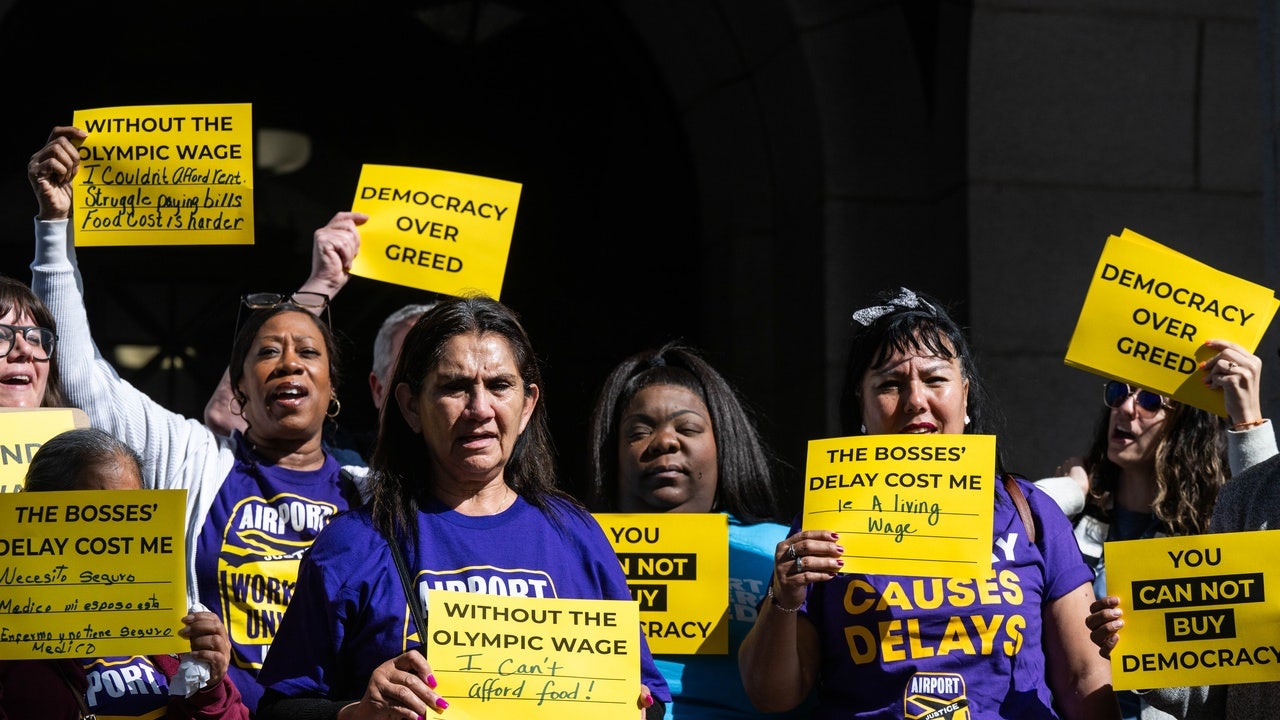
Los Angeles city officials have approved a mandate requiring hotel and airport employers to raise worker wages to $30 per hour by 2028, citing the upcoming Summer Olympics as the primary economic catalyst. Critics and industry analysts warn the policy risks significant job losses and capital flight, mirroring recent downturns in the local hospitality sector.
The Economic Friction of Olympic-Sized Mandates
The Los Angeles City Council’s decision to mandate a $30 hourly wage for hospitality and airport workers is being framed by supporters as a “living wage” essential for the city’s high-cost environment. However, industry data suggests a disconnect between legislative intent and market reality. According to data analyzed by regional business groups, the hotel industry in Los Angeles has already recorded its largest job losses in a decade. This contraction follows a series of municipal regulatory shifts, suggesting that labor market elasticity is significantly lower than city planners anticipate.
For production houses and event organizers operating in Southern California, this legislative trend creates a volatile environment for long-term planning. When municipal policy mandates a double-digit increase in labor costs, companies rarely absorb the difference into profit margins. Instead, they pivot. “The math doesn’t work for small-to-mid-sized operators who are already balancing thin margins against massive overhead,” says a veteran production executive. “When the floor is raised by fiat, the ceiling for hiring is inevitably lowered.” For businesses struggling to maintain operational stability, consulting with reputation management and crisis communication firms becomes a necessary step to navigate both public perception and internal labor disputes.
Capital Mobility and the Threat to Market Competitiveness
Capital is inherently mobile, and Los Angeles is currently testing the limits of its brand equity. As investors evaluate the 2028 Olympic landscape, the regulatory climate is becoming a primary factor in asset allocation. According to reports from The Hollywood Reporter, business owners are increasingly looking toward states like Texas, Florida, and Nevada, where the regulatory burden on the private sector is significantly lower. This trend is not merely anecdotal; it is a shift in the geographic distribution of production and service capital.
The risk for Los Angeles is a hollowed-out service economy. When businesses reduce staff, delay capital expenditures, or accelerate automation to offset wage mandates, the city loses more than just payroll taxes. It loses the secondary economic activity that sustains the broader ecosystem. For firms managing large-scale projects or high-profile events, the current climate necessitates a sophisticated approach to logistics. Engaging specialized event management and security vendors is no longer just about execution; it is about risk mitigation in a city where the cost of doing business is effectively being set by political mandate rather than market value.
The Strategic Failure of Wage-by-Vote Economics
Proponents of the wage hike argue that the influx of tourists for the 2028 Summer Games provides a unique opportunity to distribute wealth. Yet, economic history suggests that artificial wage floors often result in reduced hours or the elimination of entry-level positions. According to a recent study on fast-food wage mandates in California, the ripple effect of government-imposed cost increases often jeopardizes the very roles that provide the first rung on the career ladder. This creates a “bizarro world” effect where the intent to help workers results in fewer opportunities for them to enter the workforce at all.

For those within the entertainment and hospitality industries, the path forward requires a focus on core value creation. “You cannot legislate prosperity,” notes a principal at a leading talent and production agency. “You can only create the conditions where businesses choose to stay, grow, and compete for the best talent. When you turn that into a hostile environment, you aren’t protecting workers; you’re just inviting the next wave of capital flight.”
Navigating the Future of the Los Angeles Business Landscape
The intersection of public policy and private enterprise in Los Angeles has reached a critical juncture. As the city prepares for the global stage of the Olympics, the tension between social mandates and competitive economics will likely intensify. For industry stakeholders, the primary concern is not the goal of higher wages, but the sustainability of the means used to achieve them. As legal and financial frameworks evolve, many are turning to specialized legal counsel to address the shifting landscape of labor contracts and operational compliance.
Ultimately, the health of the Los Angeles economy depends on whether city leadership recognizes that businesses are partners in growth rather than sources to be tapped. Until that balance is restored, the risk of further stagnation remains high. The future of the city’s status as a premier global hub for entertainment and tourism will be defined by its ability to foster an environment where entrepreneurship is rewarded, not penalized.
Disclaimer: The views and cultural analyses presented in this article are for informational and entertainment purposes only. Information regarding legal disputes or financial data is based on available public records.