
Which Animal Can Hold Its Breath the Longest? The Surprising champion
Table of Contents
- Which Animal Can Hold Its Breath the Longest? The Surprising champion
- The Secrets to Underwater Endurance
- Comparison of Breath-Holding Champions
- Environmental Factors and Survival
- Evergreen Insights: The Science of Breath-Holding
- Frequently Asked Questions About Animal Breath-Holding
- How does the size of an animal affect its ability to hold its breath?
- Can humans train to hold their breath longer?
- What is the role of the spleen in breath-holding?
- Are there any risks associated with prolonged breath-holding?
- How does pollution affect the breath-holding abilities of marine animals?
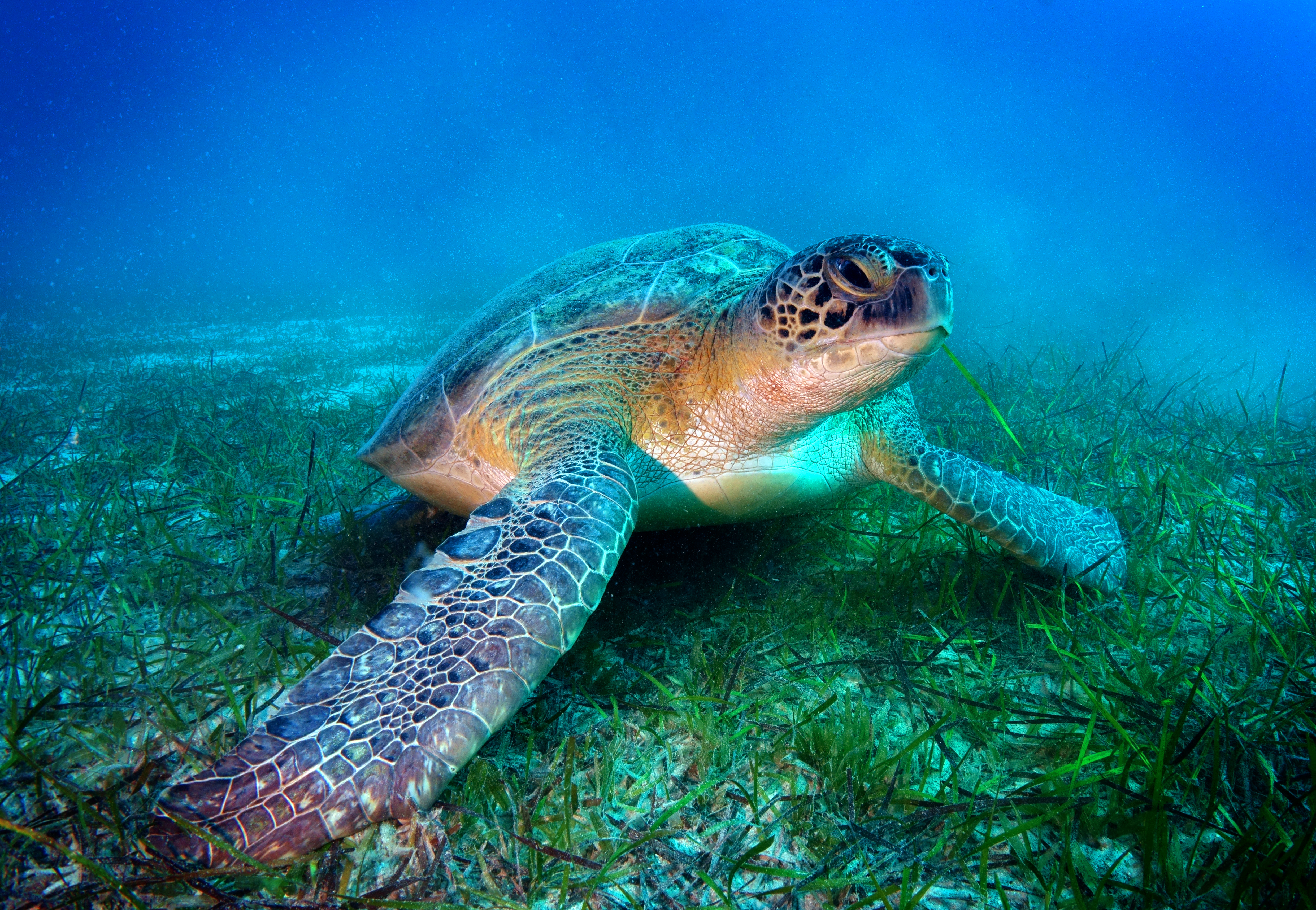
The loggerhead sea turtle (Caretta caretta) reigns supreme in the animal kingdom for breath-holding, capable of remaining submerged for over 10 hours, according to a 2007 study. This remarkable feat surpasses even some marine mammals, raising the question: what allows these creatures to stay underwater for such extended periods? While other animals, like the freshwater crocodile (Crocodylus johnstoni), can hold their breath for impressive durations of up to 6.7 hours when threatened, the sea turtle’s ability is unparalleled.
The Secrets to Underwater Endurance
Several factors contribute to the remarkable breath-holding capabilities of certain animals. These include physiological adaptations, metabolic rates, and environmental conditions.
Ectothermy and Metabolic Rate
One key advantage for turtles is their ectothermic nature. Unlike mammals, which are endothermic and must expend energy to maintain a constant body temperature, turtles rely on external sources of heat.This significantly reduces their metabolic rate, allowing them to conserve oxygen. According to a 2023 study in “Integrative Organismal Biology”, ectotherms’ energy expenditure can be half that of similar-sized marine mammals. Integrative Organismal Biology
Did You Know? … Leatherback turtles can dive deeper than most whale species and can dramatically reduce their metabolism in cold waters, allowing them to rest on the sea bottom for hours.
Physiological Adaptations
Beyond ectothermy, turtles possess other adaptations that aid in breath-holding. These include the ability to slow their heart rate dramatically and redirect blood flow to essential organs. This conserves oxygen and allows them to function for extended periods without surfacing. Marine mammals also share some of these adaptations, including increased blood volume and the ability to store more oxygen in their muscles.Science.org
Brumation: A Reptilian Hibernation
Freshwater turtles, such as the Blanding’s turtle (Emydoidea blandingii), exhibit brumation, a state similar to hibernation, during the winter months. They can remain submerged at the bottom of rivers and lakes for months, especially when trapped under ice. During brumation, their metabolism slows to an extreme degree, minimizing oxygen consumption.
Pro Tip: Understanding the physiological adaptations of breath-holding champions can provide insights into human endurance and potential strategies for improving performance in activities like freediving.
Comparison of Breath-Holding Champions
Here’s a comparison of the breath-holding capabilities of different animals:
| Animal | Maximum Breath-Holding Time | Primary Adaptation |
|---|---|---|
| loggerhead sea Turtle (Caretta caretta) | ~10.2 hours | Ectothermy, slow metabolism, reduced heart rate |
| Freshwater Crocodile (Crocodylus johnstoni) | ~6.7 hours | reduced activity, physiological response to threat |
| Blanding’s Turtle (Emydoidea blandingii) | months (during brumation) | Extreme metabolic slowdown during brumation |
Environmental Factors and Survival
The duration an animal can hold its breath is also influenced by environmental factors. Cold temperatures can further reduce metabolic rates in ectotherms, extending their underwater endurance. Though, the primary driver remains the animal’s inherent physiological adaptations.
What other amazing adaptations do animals have for surviving in extreme environments? How can we apply these insights to solve human challenges?
Evergreen Insights: The Science of Breath-Holding
The study of breath-holding in animals provides valuable insights into the limits of physiological endurance. Understanding how these creatures conserve oxygen, slow their metabolism, and adapt to underwater environments can inform research in human physiology, notably in areas such as sports medicine and survival techniques. Furthermore, the adaptations of marine animals to extreme environments can inspire technological innovations in fields like underwater robotics and materials science.
Frequently Asked Questions About Animal Breath-Holding
How does the size of an animal affect its ability to hold its breath?
Generally, larger animals have a greater capacity for oxygen storage, but metabolic rate is a more significant factor. Smaller ectotherms with extremely low metabolic rates can often outlast larger endotherms.
Can humans train to hold their breath longer?
Yes, through specialized training techniques, humans can improve their breath-holding abilities.Freedivers, for example, can hold their breath for several minutes by training their bodies to conserve oxygen and tolerate higher levels of carbon dioxide.
What is the role of the spleen in breath-holding?
The spleen contracts during breath-holding, releasing red blood cells into circulation, which increases oxygen-carrying capacity. this is a common adaptation in marine mammals and also occurs in humans to a lesser extent.
Are there any risks associated with prolonged breath-holding?
Yes,prolonged breath-holding can lead to hypoxia (oxygen deprivation) and loss of consciousness. It is essential to practice breath-holding techniques under the supervision of trained professionals.
How does pollution affect the breath-holding abilities of marine animals?
Pollution can negatively impact the health and physiological functions of marine animals, possibly reducing their ability to hold their breath and survive underwater. Pollutants can damage respiratory systems and disrupt metabolic processes.
Share this fascinating article with your friends and family! What other questions do you have about the amazing adaptations of animals? Leave a comment below!
