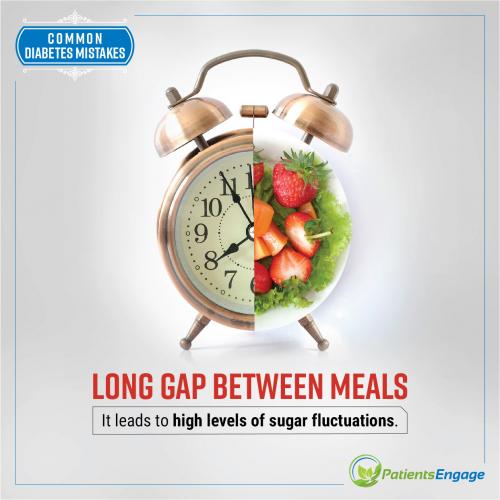
Long Gaps Between Meals Linked to Faster Chronic Disease in Older Adults
Longer daily fasting intervals between meals are associated with a faster accumulation of chronic diseases among older adults, particularly those aged 78 and older, according to a longitudinal study tracking nearly 3,000 participants in Sweden. While intermittent fasting is frequently promoted for weight loss and metabolic health in younger and middle-aged demographics, the research indicates that older bodies process nutritional gaps differently.
- A study of 2,981 adults aged 60 and older evaluated habitual fasting lengths ranging from under six hours to 24 hours over a 15-year tracking period.
- Participants who regularly went 14 to 24 hours without eating developed chronic conditions—including cardiovascular and neuropsychiatric diseases—faster than those with shorter daily gaps between 6 and 11.5 hours.
- The acceleration of chronic disease accumulation linked to prolonged fasting was most pronounced in individuals aged 78 and over, showing no clear association in the 60-to-77 age bracket.
Evaluating the Longitudinal Data on Older Adults
Published as part of an extensive aging research initiative in Sweden, the findings challenge the assumption that dietary regimens optimized for younger populations translate safely to geriatric cohorts. Participants averaged 74 years of age when data collection began between 2001 and 2004. Researchers tracked regular eating patterns, meals, snacks, and beverage consumption to calculate the maximum continuous gap without caloric or fluid intake during a standard 24-hour cycle. Rather than assessing a prescribed weight-loss diet, the methodology captured natural fasting habits driven by appetite, personal schedule, or health status.
Over a follow-up period lasting up to 15 years, investigators monitored diagnoses across 60 distinct chronic conditions using in-person medical examinations, patient registers, and detailed medication histories. Participants were categorized into four distinct groups based on their typical daily fasting window, with the shortest group fasting between 6 and 11.5 hours and the longest group fasting between 14 and 24 hours.
Cardiovascular and Neuropsychiatric Disease Progression
The analysis revealed that individuals in the longest-fasting cohort (14 to 24 hours without eating) developed chronic illnesses at an accelerated rate compared to their peers who maintained shorter eating intervals. Specifically, longer fasting was linked to faster development of cardiovascular disorders, such as heart failure and stroke, along with neuropsychiatric conditions like depression and dementia. Conversely, the study found no statistically significant difference in the progression of musculoskeletal conditions such as osteoporosis or arthritis across the fasting groups.

Age acted as a primary effect modifier in the statistical models. Among participants aged 78 and upward, prolonged daily fasting clearly correlated with accelerated multi-morbidity accumulation. For individuals between the ages of 60 and 77, however, the data showed no clear association between fasting duration and disease velocity.
Biological Mechanisms and Nutritional Vulnerabilities in Later Life
Metabolic responses to fasting differ fundamentally as human physiology ages. In contrast, older populations experience structural and functional alterations in digestion, nutrient absorption, glycemic regulation, and skeletal muscle maintenance.

A compressed daily eating window can exacerbate these age-related vulnerabilities. Gastrointestinal efficiency declines over time, reducing the body’s capacity to absorb essential micronutrients like calcium, iron, folate, and vitamin B12 adequately. Furthermore, aging muscle tissue demonstrates blunted anabolic responses to dietary protein, making consistent distribution of protein intake throughout the day vital for maintaining lean mass.