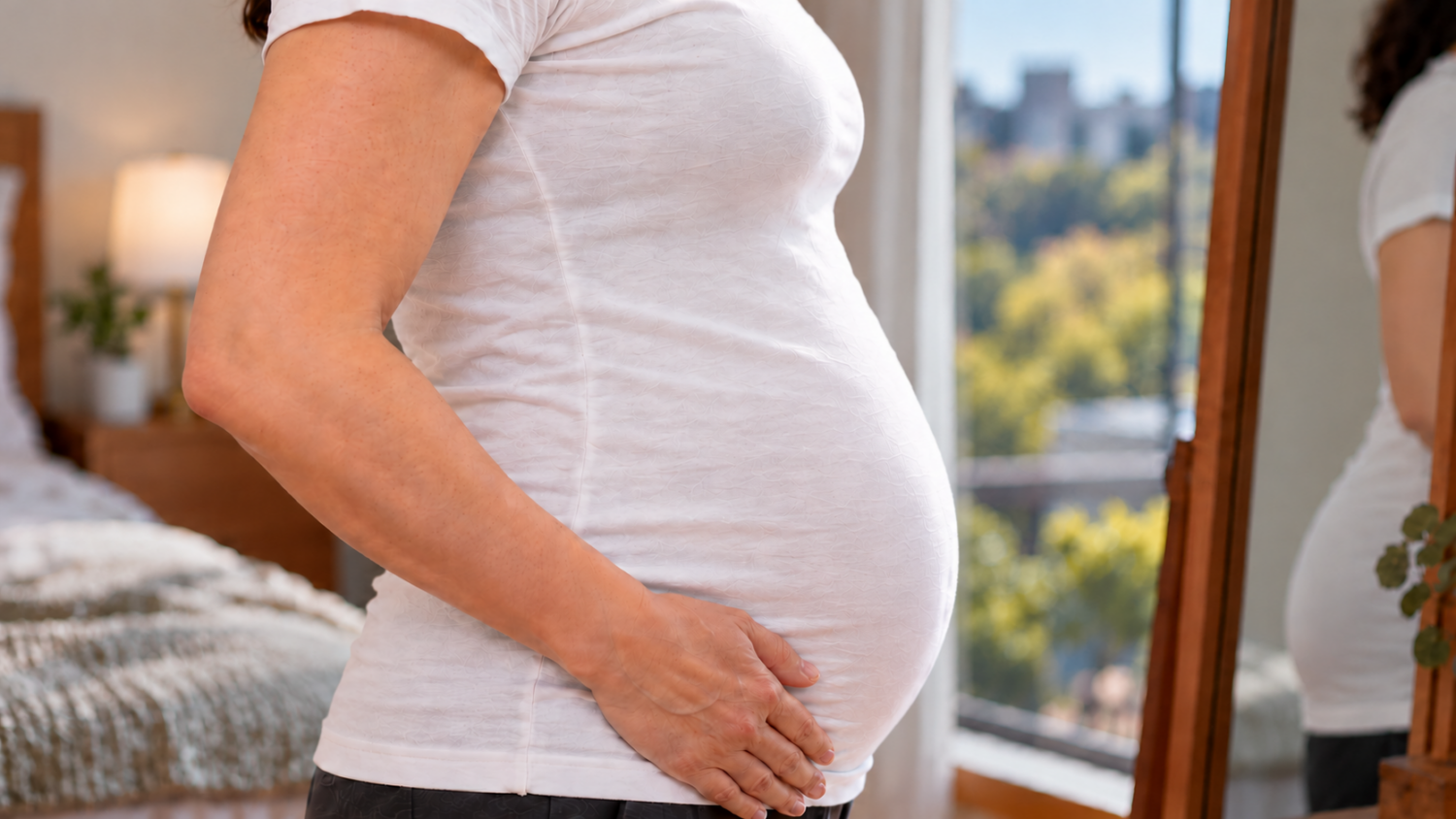
Causes of Lower Belly Fat in Middle-Aged Women, per kormedi.com
Middle-aged women experiencing abdominal enlargement often face more than just normal weight gain, as kormedi.com reported. While the arms and legs may retain their normal proportions, the lower abdomen frequently protrudes due to a combination of hormonal shifts, age-related muscle loss, and digestive or gynecological factors.
-
Key Clinical Takeaways:
- Abdominal protrusion in middle-aged women is driven by menopausal hormone shifts, muscle loss, and altered fat distribution rather than simple weight gain.
- Evening bloating caused by gas or constipation can make the lower abdomen appear significantly larger than it does in the morning.
- Persistent lower abdominal swelling accompanied by pelvic pressure, frequent urination, or menstrual changes requires an evaluation for gynecological conditions such as uterine fibroids.
Hormonal Shifts Move Fat to the Abdomen
Middle-aged abdominal changes involve both hormonal fluctuations and aging processes, according to kormedi.com. Around the time of the menopausal transition, fat distribution shifts to favor the abdominal region. This accumulation, combined with declining muscle mass and lower daily physical activity, means the waistline can expand even when total body weight remains stable. The outlet notes that hormonal changes do not direct all fat exclusively to the lower belly. When waistlines expand gradually over several months, monitoring overall body weight, waist circumference, and exercise routines helps clarify the underlying pattern. Experts recommend checking the intake of sugary beverages and snacks rather than cutting meals drastically, while pairing walking with strength training to manage both fat and muscle.
Evening Bloating and Gastrointestinal Factors
Stomach volume often fluctuates between morning and night, creating distinct physical discomfort by the end of the day. A midlife abdomen that looks relatively flat in the morning can swell significantly after meals and feel heavy by evening, pointing toward abdominal bloating driven by intestinal gas or constipation. Eating quickly, swallowing excess air, and consuming carbonated beverages frequently worsen this sensation. Relief often follows a bowel movement or the passage of gas. Tracking food intake, bloating times, and bowel habits for a few days helps narrow down specific triggers. For those experiencing constipation, increasing fiber intake too rapidly can actually increase gas production, so dietary fiber should be added gradually alongside adequate hydration.
Postpartum Abdominal Wall Changes
Abdominal contours can also reflect structural changes that originated years prior. When an altered midsection shape persists long after childbirth, rectus abdominis diastasis becomes a distinct possibility. During pregnancy, the connective tissue joining the left and right rectus muscles stretches and widens. If this gap persists postpartum, the abdomen may protrude forward, or the middle of the abdomen may dome outward when transitioning from lying down to sitting up. When these signs recur, forcing abdominal crunches to flatten the midsection can be counterproductive; instead, evaluating the abdominal wall status with a professional helps establish correct breathing patterns and safe core muscle control.
Uterine Fibroids Can Cause Abdominal Enlargement
Abdominal enlargement that continues to progress alongside pelvic pressure, frequent urination, or heavier periods warrants a clinical evaluation for conditions like uterine fibroids, according to kormedi.com. Uterine fibroids are benign tumors in the uterine muscle layer that can create a feeling of fullness in the lower abdomen or compress surrounding organs depending on their size and location. When abdominal swelling persists independently of food intake or bowel movements, or is accompanied by early satiety and pelvic pain, consulting an obstetrician-gynecologist is recommended. While these symptoms do not always indicate severe disease, they can also signal ovarian issues, making it important to investigate rather than dismissing the changes as typical midlife weight gain.
Disclaimer: The information provided in this article is for educational and scientific communication purposes only and does not constitute medical advice. Always consult with a qualified healthcare provider regarding any medical condition, diagnosis, or treatment plan.