
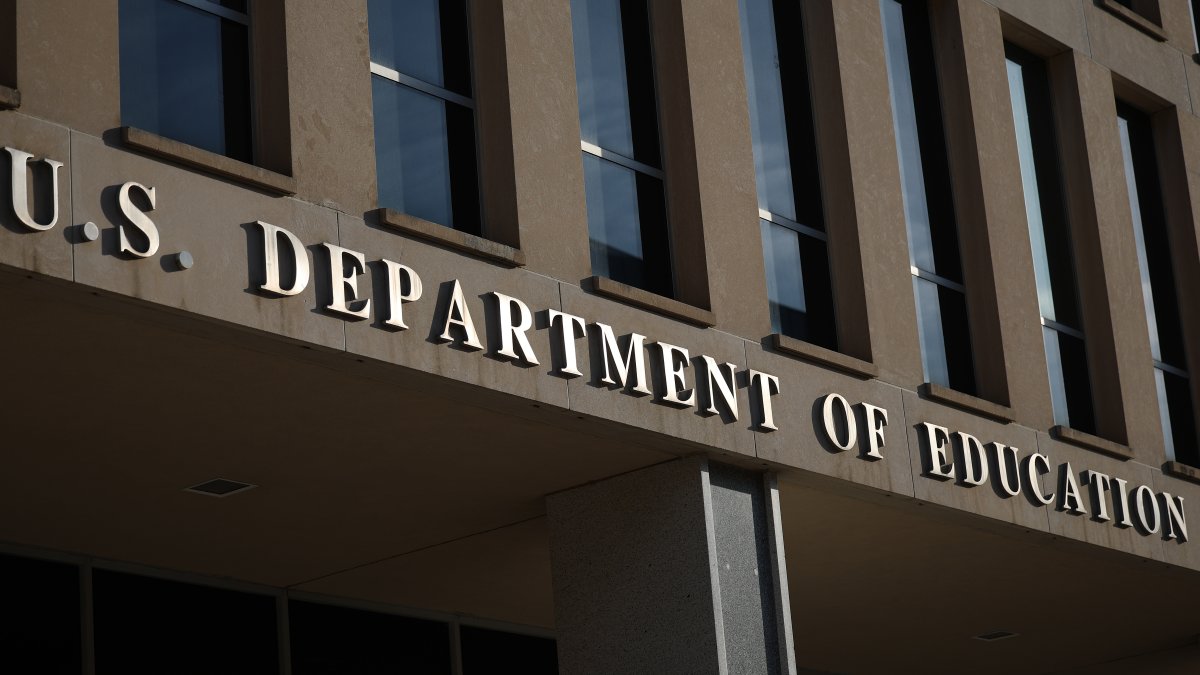
Proposed changes to Federal Student Loan Caps Spark Concern for Critical Fields
The U.S. Department of Education is proposing revisions to its definition of “professional degree,” a change that could substantially impact federal loan limits for graduate students in fields facing critical workforce shortages.The new rules, slated to take effect in July 2026, aim to curb rising graduate school tuition costs by capping loan amounts.
Currently, graduate students can borrow up to the cost of attendance. Under the proposed changes, loans for graduate degrees deemed not professionally recognized will be capped at $100,000 total for all years of study. Degrees maintaining “professional” status – including medicine, law, veterinary medicine, and theology – will retain a $200,000 loan cap.
The shift has raised alarms among educators and institutions in fields like education,advanced nursing,physician assistant studies,physical therapy,audiology,architecture,and accounting.James Messina, president of the Grossmont education Association, expressed concern about filling existing and future teaching vacancies, stating, “I don’t know how to fill those vacancies I currently have…let alone four or five, six years in the future.”
Ellen Keast, the Department of Education’s press secretary for higher education, explained the rationale behind the changes, stating they are intended to encourage schools to lower tuition costs. However, critics like Messina fear the changes will simply shift the burden to students, forcing them to rely on more expensive private loans. He characterized the move as a “dismantling of public ed and moving it to the private world.”
The University of San Diego has voiced strong support for its nursing students and faculty,recognizing the vital role advanced practice nurses play,especially given the current national nursing shortage. in a statement, USD noted the Department of Education’s proposed rules utilize an “outdated definition of ‘professional degree’ that may exclude advanced nursing programs.” The university emphasized that graduate nursing programs are “essential professional programs” and that reduced loan caps could hinder the growth of a robust pipeline of qualified nurses.
USD stated it will “closely follow the situation to understand any potential regulatory changes and their impact on our graduate students’ education and financing.” The potential impact on access to education and the future workforce in these critical fields remains a key concern as the proposed rules move forward.
