
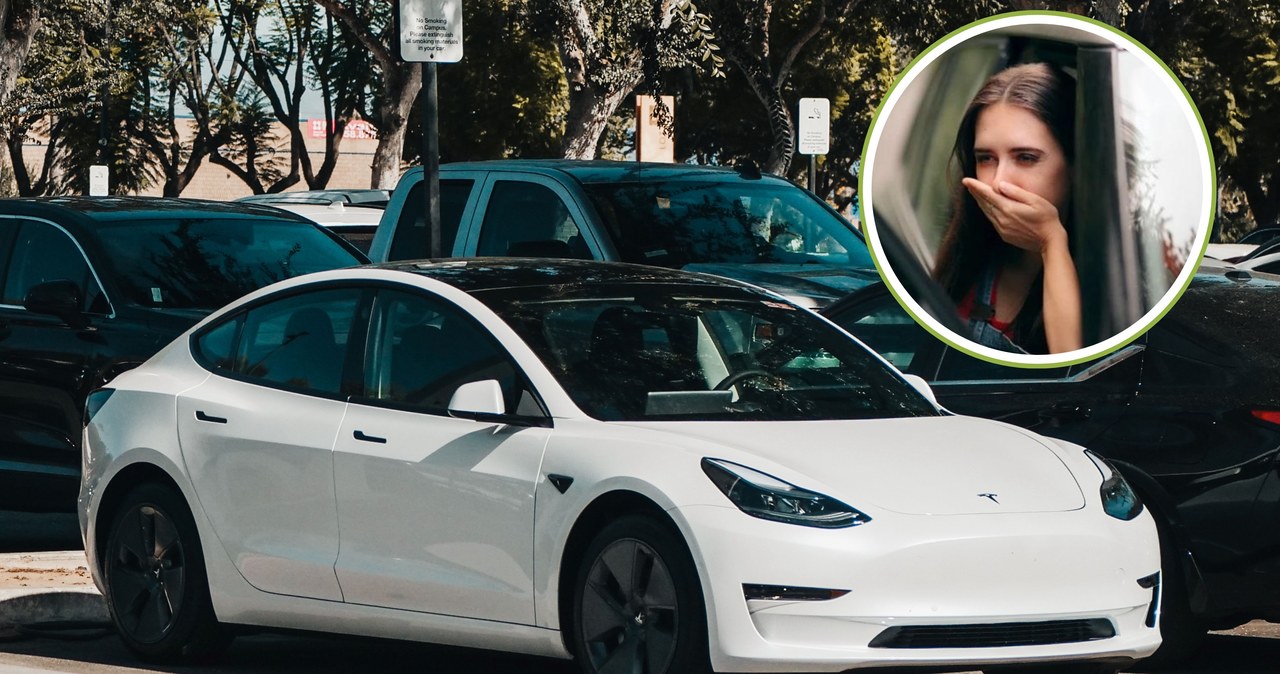
Electric Cars Trigger New Wave of Motion Sickness
Silent acceleration and regenerative braking blamed for passenger discomfort
Passengers in electric vehicles (EVs) are increasingly reporting symptoms akin to motion sickness, with studies suggesting the unique driving dynamics of EVs contribute significantly to this phenomenon. The silent operation and smooth deceleration, while eco-friendly, may be disrupting the sensory input our brains rely on to predict movement.
Sensory Disconnect in Silent Cruisers
Researchers from the University of Technology at Belfort-Montbéliard in France have identified a key reason for this uptick in passenger unease. Unlike traditional combustion engine cars, which provide subconscious cues like engine vibrations and the sound of gear changes, EVs offer a much smoother, quieter ride. This lack of familiar sensory information can create a disconnect between what the eyes see and what the inner ear (responsible for balance) feels. This sensory conflict is a primary driver of motion sickness.
Regenerative Braking’s Subtle Impact
A major contributor to this effect is regenerative braking, a technology that captures kinetic energy during deceleration to recharge the battery. While efficient, this process results in a gentler, more prolonged slowdown compared to the abrupt braking in conventional vehicles. A 2024 study indicated that the low-frequency vibrations and gradual deceleration typical of EVs exacerbate motion sickness symptoms. This optimized energy recovery, though beneficial for range, inadvertently limits the stimuli that help the brain anticipate changes in speed.
Why Drivers Fare Better
The primary factor differentiating drivers from passengers is control. Drivers actively engage with the vehicle’s movements, anticipating turns and braking. This active involvement helps their brains process sensory input more effectively, mitigating the conflict. Passive passengers, particularly those in rear seats, lack this control and focus, making them more susceptible. Studies suggest nearly 25% of EV passengers experience these symptoms, a notably higher figure than in gasoline-powered cars, especially for first-time EV riders. For instance, a recent survey highlighted that nearly 40% of people new to riding in EVs reported some level of discomfort.
Manufacturers Seek Solutions for Smoother Rides
In response to these passenger complaints, the automotive industry is exploring innovative solutions. Manufacturers are testing artificial engine sounds synchronized with acceleration and braking, variable cabin lighting to indicate speed changes, and subtle seat vibrations. The goal is to provide passengers’ brains with more data points, better synchronizing sensory signals with the actual vehicle motion, thereby reducing the likelihood of motion sickness.
These advancements are crucial for broader EV adoption, ensuring that the comfort of all occupants is prioritized alongside environmental benefits.
