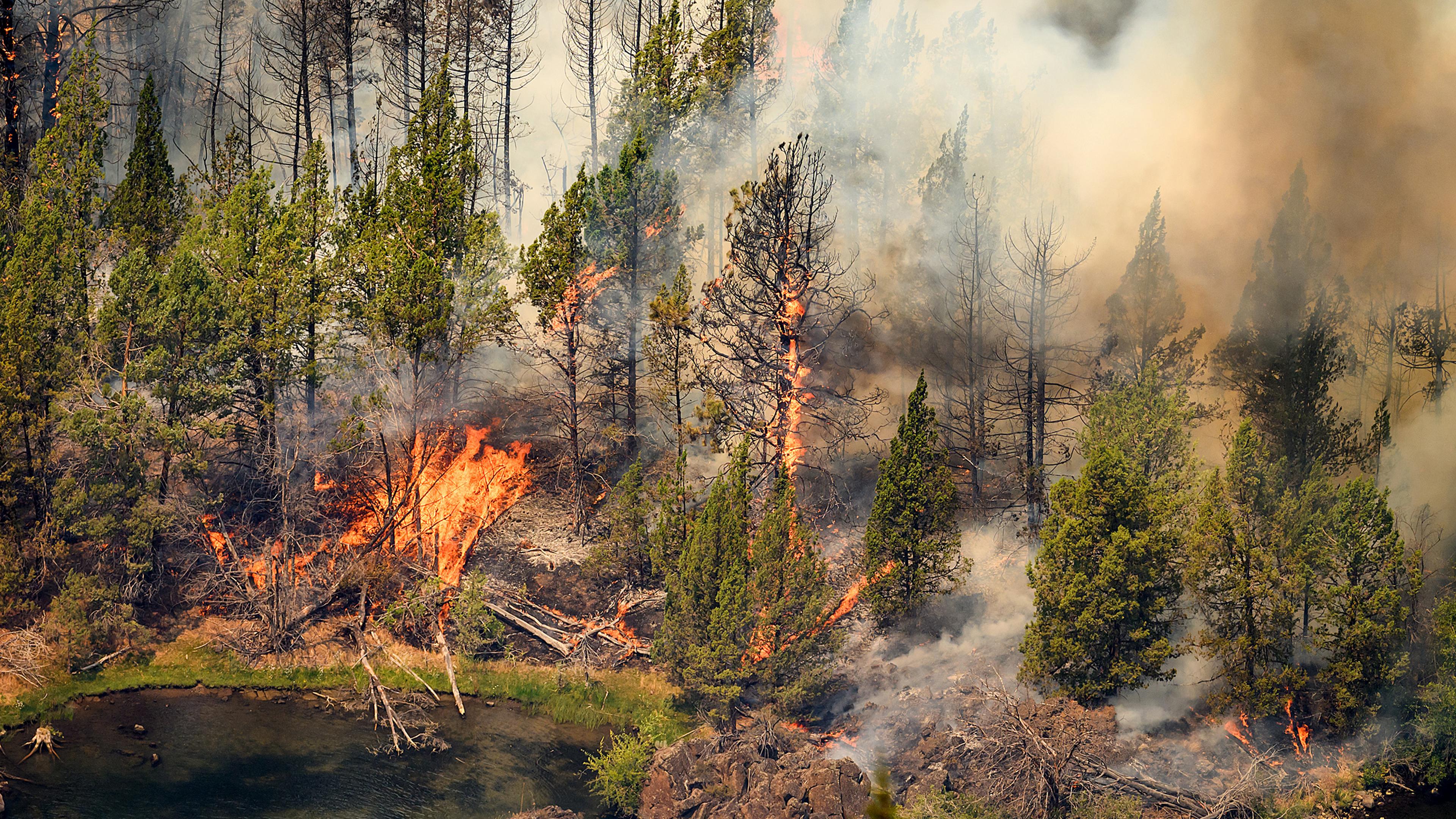
Living Through the Hottest Month in U.S. History
According to new data from the National Oceanic and Atmospheric Administration, July 2026 marked the warmest month in the 132-year history of the contiguous United States, with average temperatures climbing 3.3 degrees Fahrenheit above the 20th-century average. Driven by three separate heat dome events, the extreme climate conditions triggered massive wildfires, and sparked severe flash floods across multiple regions.
Record Temperatures and the Heat Dome Phenomenon
The record-breaking heat shattered historical markers previously set during the Dust Bowl in July 1936 and in July 2012, besting those benchmarks by 0.1 to 0.2 degrees Fahrenheit. On July 12, states including Idaho, Utah, and Montana established all-time temperature records. Salt Lake City reached 109 degrees Fahrenheit, while Montana towns recorded blistering highs, with Billings hitting 111 degrees Fahrenheit and Miles City reaching 115 degrees Fahrenheit. Wyoming also documented its warmest July and month on record, underscoring a widespread meteorological anomaly that forced municipalities to reconsider emergency urban response protocols and deploy specialized teams to handle public cooling stations and large-scale public safety operations.
Wildfires, Evacuations, and Air Quality Crises
Concurrent environmental disasters compounded the heat crisis as extreme dry conditions fueled major blazes. Wildfires in eastern Oregon burned through 140,000 acres, forcing thousands of residents to evacuate as federal fire resources faced severe depletion managing simultaneous fires in Colorado, Washington, and surrounding regions. Smoke from domestic blazes and fires in neighboring Canada severely degraded air quality for millions of citizens. By mid-July, Chicago reported the worst air quality in the world, prompting residents across the Midwest to distribute N95 masks for daily commutes and outdoor pet walks.
Drought Versus Flash Floods: The Texas Extremes
The national climate landscape displayed stark contradictions throughout the month. Approximately 48.5 percent of the contiguous United States experienced drought conditions, ranking July as the third driest in the 132-year NOAA record. Conversely, mid-month flash floods in Central Texas along the Guadalupe River dropped over 28 inches of rainfall. The deluge resulted in two fatalities in the exact area that suffered catastrophic flooding during the previous year’s July 4th weekend, destroying homes and property along North Camp Street in Uvalde and parts of Kerrville.
*Disclaimer: The views and cultural analyses presented in this article are for informational and entertainment purposes only. Information regarding legal disputes or financial data is based on available public records.*