
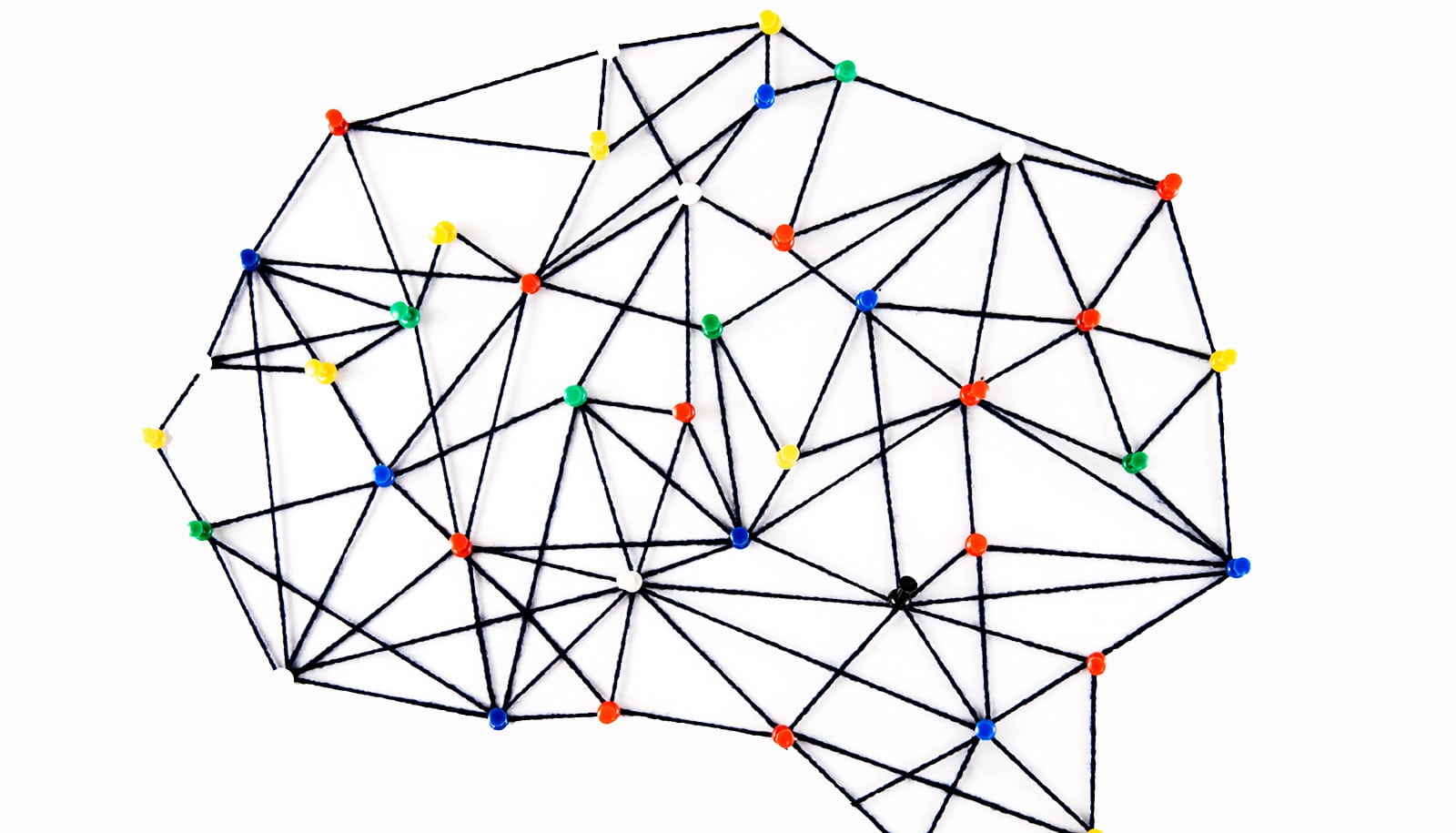
Neuroscience Faces Rethink in Quest to Cure Brain Disorders
CHICAGO, IL – Decades of ambitious neuroscience research and billions of dollars in investment have yielded surprisingly limited progress in treating debilitating conditions like depression, schizophrenia, Alzheimer’s, and Parkinson’s disease. A new podcast episode featuring University of Pennsylvania neuroscientist Nicole Rust suggests a fundamental shift in approach is needed to overcome longstanding obstacles and finally deliver effective cures.
For years, the field operated under the assumption that identifying and “fixing” single broken components within the brain – a “domino” affect – would unlock treatments. However, rust argues this linear model fails to account for the brain’s inherent complexity, functioning more like a dynamic system akin to weather patterns then a simple machine.This realization, detailed in her forthcoming book Elusive Cures (Princeton Press, 2025), challenges conventional thinking and proposes a new path forward for brain research.
The podcast, titled “Why We Haven’t Solved Brain Disorders and How to Fix It,” explores why treatments frequently falter and why understanding mood remains a significant scientific challenge. Rust advocates for embracing models, feedback loops, and innovative perspectives to unlock a new era of brain research.
“The traditional view of the brain-where one broken piece can simply be fixed-has held us back,” Rust explains.
The episode is available to listen to here: https://player.simplecast.com/65dc51a3-2b2a-40d8-95b4-d28f15936553?dark=false.
A transcript of the episode is also available: https://news.uchicago.edu/big-brains-podcast-why-we-havent-solved-brain-disorders-and-how-fix-it.
Source: university of Chicago
