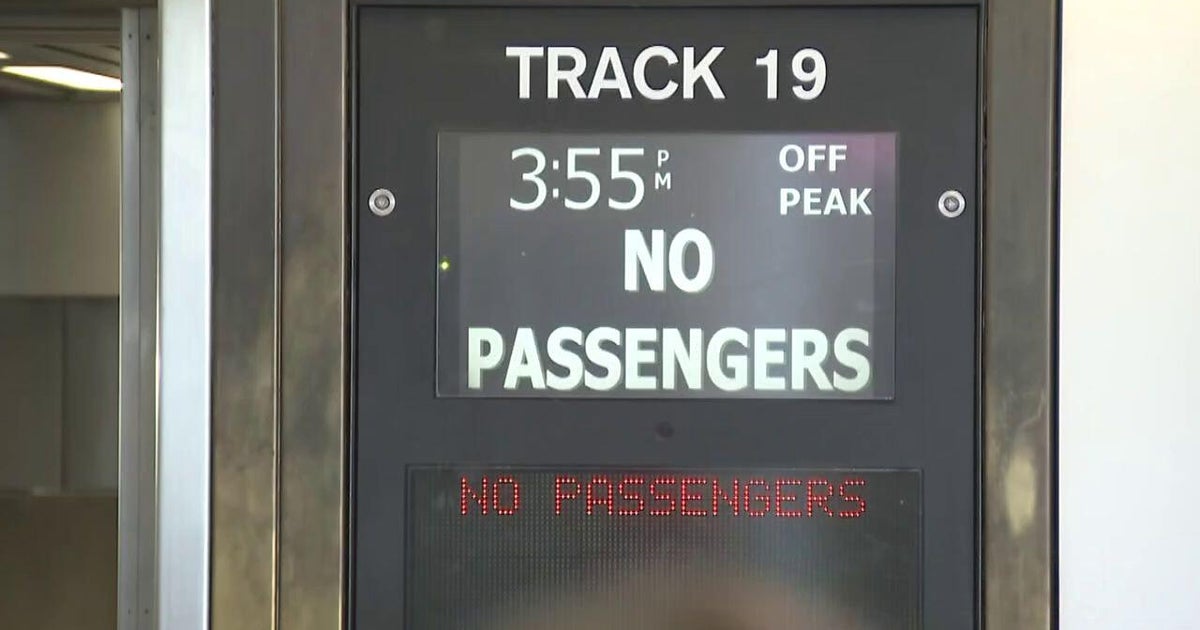
LIRR Work Stoppage: Monday Morning Commute Concerns
Long Island Rail Road workers enter their third day of a strike on Monday, May 18, 2026, disrupting service for nearly 300,000 commuters across the New York metropolitan region. The labor action, involving five unions and the Metropolitan Transportation Authority (MTA), centers on disputes over salaries and healthcare premiums, prompting emergency shuttle services and urgent calls for mediation.
A Regional Arterial Blockage: The Economic Stakes of the LIRR Standoff
The morning commute on Monday is not merely a matter of inconvenience. it represents a significant disruption to the economic lifeblood of the New York-Long Island corridor. As more than 3,500 LIRR employees remain off the job, the country’s largest commuter railroad is facing its first total work stoppage of this magnitude in over thirty years. This isn’t just a transit issue—it is a regional economic crisis in the making.
The scale of the impact is staggering. With roughly 250,000 to 300,000 weekday riders relying on the system to connect Long Island suburbs to Manhattan and other key hubs, the absence of service threatens to ripple through the workforce of the entire metropolitan area. When the primary mechanism for labor mobility fails, the productivity of various sectors—from finance in Manhattan to local commerce on Long Island—is immediately called into question.

“We all know that the railroad is the lifeblood of Long Island — without it, life as we know it is simply not possible. The bottom line is, no one wins in a strike, everyone is hurt.”
Governor Kathy Hochul emphasized the gravity of the situation during a Sunday briefing, urging both the five labor unions and the MTA management to return to the negotiating table. While the National Mediation Board has stepped in to summon all parties to a meeting in Manhattan to resume bargaining, the immediate reality for commuters is one of logistical chaos.
Emergency Transit Framework: Navigating the Shuttle Network
To mitigate the total paralysis of the region, the MTA has activated a contingency plan. However, these alternatives are far from standard operations. For those attempting to navigate the morning rush, the following shuttle routes and connections have been established to facilitate movement toward the city and essential hubs.
| Originating Station(s) | Primary Connection Point | Subway Line Access |
|---|---|---|
| Huntington, Ronkonkoma | Jamaica-179th Street Terminal | F Line |
| Bay Shore, Hempstead Lake State Park, Hicksville, Mineola, Lakeview | Howard Beach-JFK Airport | A Line |
| Citi Field (Commuter Parking) | Mets-Willets Point | No. 7 Line |
Service Timing and Restrictions: To support those who cannot telecommute, the MTA has designated specific windows for shuttle operations. For Manhattan-bound service, shuttles are scheduled to run between 4:30 a.m. And 9:00 a.m.. For return service to Long Island, the window is set from 3:00 p.m. To 7:00 p.m.. These services are specifically reserved for essential workers and those unable to work remotely.
For commuters who have already purchased monthly passes, the MTA has announced its intention to issue pro-rated refunds for May ticket holders to account for the loss of service. This move aims to alleviate some of the financial friction caused by the unexpected stoppage, but it does little to solve the immediate problem of physical transit.
The Root of the Impasse: Wages, Healthcare, and Labor Law
The impasse is a classic confrontation between institutional management and organized labor, centered on the rising costs of living and the fundamental components of worker compensation. For months, negotiations have stalled specifically over two high-friction areas: worker salaries and healthcare premiums. As the strike enters its third day, the tension between the five representing unions and the MTA has reached a critical threshold.
The involvement of the National Mediation Board suggests that the dispute has moved beyond simple bargaining and into the realm of formal federal oversight. This transition often signals that a resolution is not imminent and that the legal complexities of the contract dispute will require intense, high-stakes mediation.
From a macro-economic perspective, the strike highlights the fragility of specialized infrastructure. When a single entity like the LIRR faces a labor stoppage, the lack of redundancy in the regional transit network becomes glaringly apparent. As the dispute continues, the pressure on municipal and regional governments to find a middle ground grows, as the cost of the strike—measured in lost hours and economic friction—continues to mount.
For businesses and municipal planners, this disruption serves as a stark reminder of the need for robust contingency planning. Organizations facing sudden shifts in workforce availability are increasingly consulting with logistics and supply chain specialists to manage the impact of transit failures on their operations. Similarly, the legal complexity of such large-scale labor actions often requires the expertise of specialized labor relations attorneys to navigate the nuances of contract law and mediation.
Looking Ahead: A Test of Regional Resilience
The coming days will determine whether the National Mediation Board’s intervention can break the deadlock or if the strike will expand its impact. The resolution of this conflict will likely set a precedent for future transit labor negotiations in the Northeast, particularly as healthcare and wage inflation continue to challenge public sector budgets.
As the region waits for news from the Manhattan bargaining sessions, the focus remains on the commuters standing on station platforms and the businesses bracing for a week of disrupted operations. In the face of such systemic instability, finding verified, professional expertise to manage both the legal and logistical fallout is no longer optional—it is a necessity for regional stability. For those needing to navigate the complexities of this evolving situation, the World Today News Directory remains your primary resource for connecting with the professionals equipped to handle large-scale industrial and logistical challenges.