Liquefied Gas Voucher 2026: Eligibility, Timeline & How to Claim Your Discount
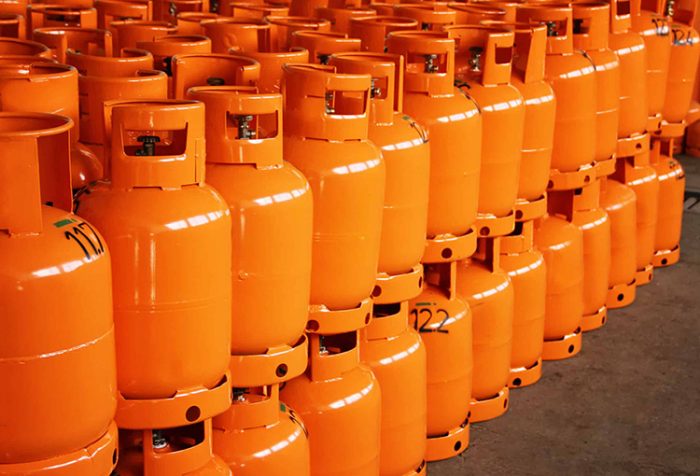
Chile’s government has launched a CLP$27,000 ($32) monthly voucher for liquefied petroleum gas (LPG) starting May 2026, targeting low-income households, seniors, and rural communities. The program—officially called the Subsidio Gas Licuado—uses digital coupons redeemable at authorized retailers, but eligibility, distribution delays, and regional infrastructure gaps threaten its effectiveness. With 1.2 million households already enrolled, the scheme aims to curb soaring energy costs amid global supply shocks, yet municipal officials warn that uneven implementation risks exacerbating inequality.
Why This Matters: A Crisis of Access and Trust
The voucher program arrives as Chile grapples with a 28% spike in LPG prices since 2025, driven by Middle East conflict disruptions and supply chain bottlenecks. For rural families—where 60% of households rely on LPG for cooking—this subsidy is a lifeline. But only 42% of eligible applicants have received coupons so far, according to Ministry of Social Development data, leaving thousands in limbo.
“This subsidy is a step forward, but without local coordination, it becomes just another bureaucratic promise. In Magallanes Region, where 70% of households depend on LPG, delays mean families are turning to dangerous alternatives like kerosene.”
Who Qualifies? The Eligibility Labyrinth
The voucher targets three priority groups:
- Low-income families earning under CLP$450,000/month (≈$535) and registered in the Subsidio Familiar program.
- Seniors over 65 receiving Pensión Básica Solidaria, with automatic enrollment.
- Rural households in communes classified as “extreme poverty”, including Chiloé, Aysén, and Magallanes.
Exclusion loopholes persist: Undocumented migrants—estimated at 300,000 in Chile—are ineligible despite relying on LPG. Meanwhile, urban middle-class families, who also face price hikes, are shut out entirely.
How It Works: The Digital Divide
The voucher system operates via a government portal, where beneficiaries receive a monthly code to exchange for LPG cylinders at authorized retailers. However:
- Technical barriers: 35% of rural seniors lack internet access or smartphones, forcing them to rely on intermediaries—often at a fee.
- Retailer shortages: In Los Ríos Region, only 12 of 45 LPG distributors accept the digital voucher, according to local chamber of commerce data.
- Fraud risks: Counterfeit coupons have surfaced in Valparaíso, prompting the government to suspend in-person verification temporarily.
Regional Impact: Where the Voucher Fails
Magallanes Region—Chile’s southernmost province—illustrates the program’s flaws. Here, LPG prices have risen 40% faster than the national average due to remote logistics. A regional government survey found that 22% of beneficiaries reported not receiving their first voucher by May 15, 2026.
“The voucher arrives too late for families who’ve already switched to wood stoves—an unsafe and polluting alternative. We’re seeing a 30% increase in respiratory illnesses in schools near Puerto Natales.”
The Bigger Picture: Global Supply Shocks and Local Solutions
Chile’s LPG crisis mirrors broader trends in Latin America, where fossil fuel subsidies surged 60% in 2025 amid geopolitical tensions. The Subsidio Gas Licuado was designed to mitigate this, but its rollout exposes structural weaknesses:
- Infrastructure gaps: Chile imports 85% of its LPG, and port delays in San Antonio have caused shortages.
- Climate trade-offs: LPG is cleaner than coal or kerosene, but its subsidy undercuts incentives for biogas adoption, which could offer long-term relief.
- Political distrust: Past subsidy programs, like the Subsidio Único Familiar, were marred by corruption scandals, fueling skepticism.
Who’s Fixing the Problems?
The voucher’s shortcomings create opportunities for specialized services:

- Digital inclusion programs: Nonprofits like [Community Tech Initiatives] are training rural elders to use government portals, reducing dependency on fraud-prone intermediaries.
- LPG logistics experts: With retail networks strained, [Emergency Fuel Distribution Coordinators] are partnering with municipalities to reroute supplies to high-need zones.
- Legal aid for excluded groups: Migrant advocacy groups are pushing for [Human Rights and Immigration Law Firms] to challenge the voucher’s citizenship requirements in court.
- Alternative energy advisors: Families stuck in the voucher limbo are turning to [Biogas and Solar Cooking Consultants] to transition away from LPG dependency.
The Road Ahead: Will the Voucher Last?
The program’s future hinges on three factors:
| Factor | Current Status | Risk Level |
|---|---|---|
| Funding sustainability | Budgeted for 12 months; global LPG prices remain volatile. | High |
| Retailer participation | Only 68% of distributors accept digital vouchers nationwide. | Medium |
| Digital literacy expansion | Pilot programs in Los Lagos show 50% uptake among seniors after in-person training. | Low |
If unaddressed, these gaps could turn the voucher into a temporary band-aid rather than a systemic solution. The real test will be whether Chile’s government—facing rising public debt—can scale the program without deepening inequality.
The Kicker: A Warning from the Frontlines
In Puerto Montt, 72-year-old Rosa López has been waiting three weeks for her voucher. “I’ve boiled water with kerosene before,” she says, her voice steady despite the risk. “But now my grandson asks why we can’t just have gas like everyone else.”
That question—why can’t the system work for all?—is the voucher’s ultimate failure. For families like Rosa’s, the answer lies not just in more subsidies, but in [vetted energy access advocates], [policy reform attorneys], and [decentralized energy innovators] who can redesign the system from the ground up. The clock is ticking: by winter, the choice will be clear—double down on vouchers and risk deeper crisis, or invest in solutions that last.