Lipoprotein(a): The Hidden Heart Disease Risk Your Cholesterol Test Misses
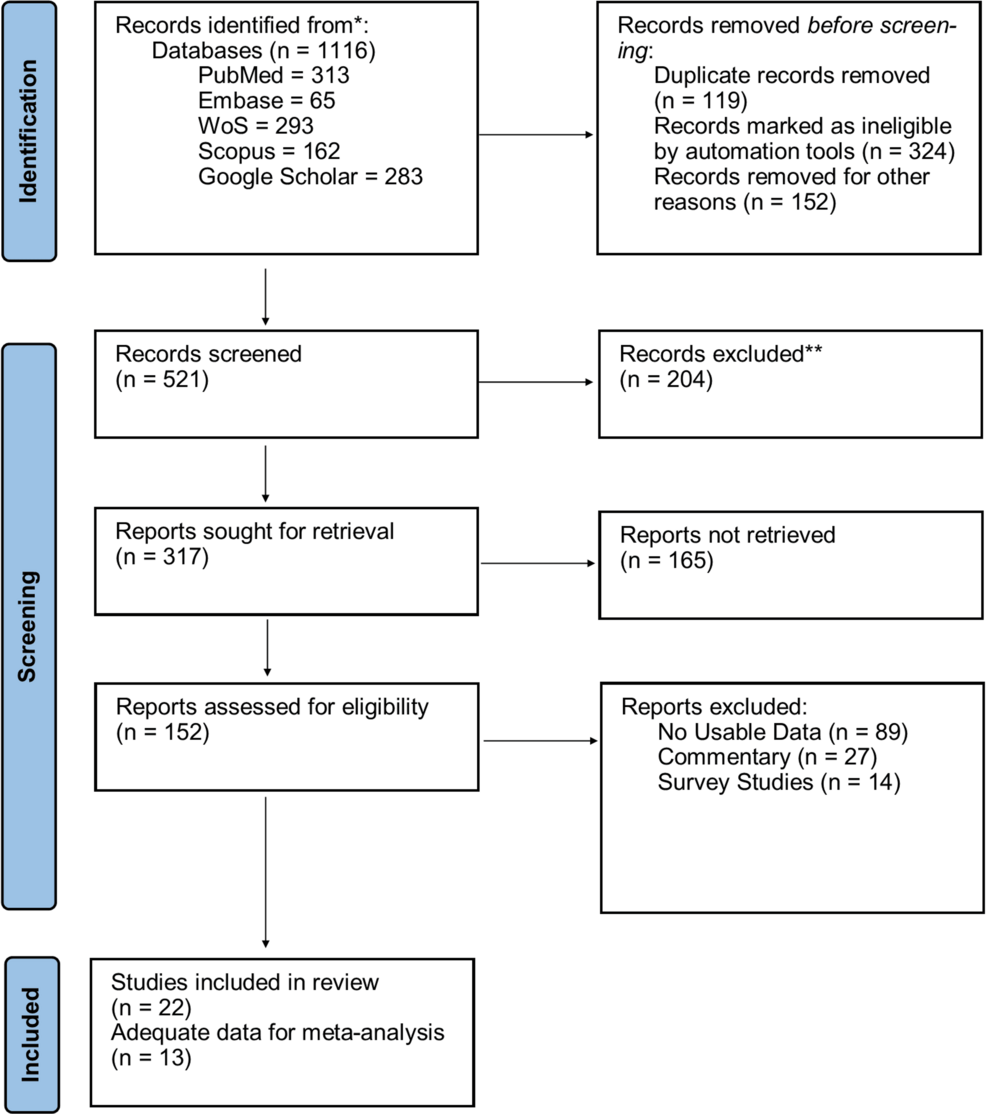
Lipoprotein(a) functions as an independent causal risk factor for atherosclerotic cardiovascular disease, yet its clinical utility across varying inflammatory states has remained a subject of intense debate. According to a systematic review and meta-analysis published in JACC: Advances, researchers evaluated the association between elevated Lipoprotein(a) [Lp(a)] levels and major adverse cardiovascular events (MACE) across different concentrations of high-sensitivity C-reactive protein (hs-CRP) in both primary and secondary prevention settings. The study, which systematically searched databases from inception through February 2024, addresses longstanding clinical controversies regarding how systemic inflammation interacts with genetically driven lipid risks to trigger heart attacks and strokes.
Key Clinical Takeaways:
- Researchers analyzed data from MEDLINE, Embase, Cochrane CENTRAL, and Web of Science through February 2024 to determine how systemic inflammation alters Lp(a)-associated cardiovascular risk.
- The systematic review and meta-analysis specifically evaluated major adverse cardiovascular events stratified by high-sensitivity C-reactive protein levels in primary and secondary prevention cohorts.
- Findings clarify the independent prognostic value of Lp(a) even when traditional lipid panels return normal results, assisting clinicians in refining residual risk stratification.
The Diagnostic Gap in Traditional Lipid Panels
Standard lipid panels fail to capture genetic cardiovascular threats like elevated Lp(a), leaving many individuals unaware of their true myocardial infarction and ischemic stroke susceptibility. While standard low-density lipoprotein cholesterol (LDL-C) measurements guide routine preventive care, Lp(a) is an inherited lipoprotein particle whose concentration remains largely stable throughout a person’s lifetime. Because standard screening protocols do not routinely assay for this particle, millions of patients with normal routine cholesterol profiles harbor an unmeasured risk factor for premature coronary artery disease.
Methodological Framework and Inflammation Stratification
The research team, led by investigators including Pamela L. Alebna, Chin Yip Han, Mathew Ambrosio, Gwyneth Kong, John W. Cyrus, Kayla Harley, Le Kang, Aeron M. Small, Parag Chevli, Harpreet Bhatia, Nicholas Chew, Fadi N. Salloum, Dave L. Dixon, Antonio Abbate, Pradeep Natarajan, Michael D. Shapiro, and Anurag Mehta, constructed this systematic review to resolve conflicting data from prior cohort studies. The analysis utilized random-effects models to compute pooled hazard ratios, examining populations grouped by varying baseline hs-CRP levels. By stratifying cohorts based on systemic inflammation markers, the authors isolated the independent prognostic impact of Lp(a) from background inflammatory states such as subclinical vascular wall irritation or chronic infection.
The inclusion of diverse primary and secondary prevention cohorts guarantees that the resulting hazard estimations apply broadly to both apparently healthy populations and those with established vascular pathology. This methodological rigor helps clarify whether low-grade systemic inflammation amplifies the atherogenic and thrombotic potential of circulating Lp(a) particles.
Integrating these findings into daily outpatient workflows demands an updated approach to residual cardiovascular risk management. When high-sensitivity C-reactive protein intersects with elevated Lp(a), clinicians face complex triage decisions regarding aggressive statin therapy, emerging targeted therapies, and lifestyle modifications. Navigating these evolving diagnostic criteria requires close collaboration between primary care clinicians, cardiologists, and specialized lipid clinics.
Ultimately, the synthesis published in JACC: Advances reinforces the necessity of Lp(a) screening to capture genetic vulnerabilities missed by standard lipid panels. As clinical trials advance toward targeted pharmacotherapies designed specifically to lower Lp(a), precise baseline stratification will remain the cornerstone of effective preventive cardiology. Patients seeking to understand their individual risk architecture should proactively discuss targeted biomarker testing with their care teams.