Limited Utility Of Diet Quality Scores In Anthropometric Prediabetes And Diabetes Screening Models
Researchers found that adding detailed diet data to diabetes screening tools offers no improvement over simple physical measurements, according to a study published in the European Journal of Public Health in 2026.
Scientists tested whether including Healthy Eating Index (HEI) scores could enhance the predictive power of an anthropometric model using data from over 20,000 adults in the National Health and Nutrition Examination Survey from 1999 to 2018. The model, called MEDWACS, uses seven non-invasive physical measurements like waist circumference and blood pressure.
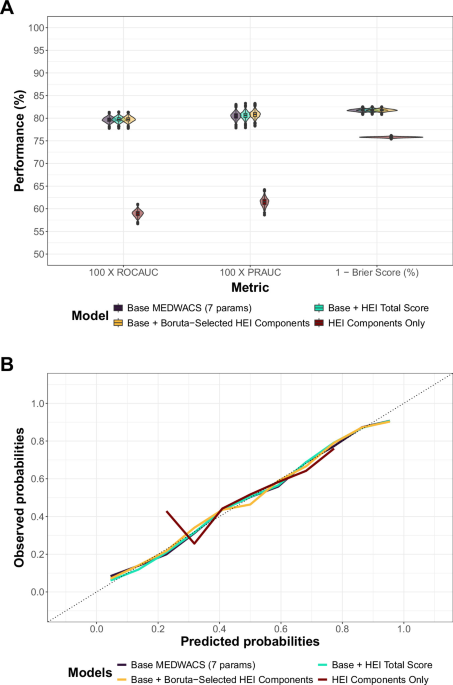
The study revealed the base anthropometric model achieved a discrimination score of 0.796 on the receiver operating characteristic area under the curve (ROCAUC). Integrating the total HEI score or individual dietary components provided no statistically significant improvement, the research showed.
“Detailed diet quality data adds no predictive value to anthropometric diabetes screening tools,” the study concluded. “Public health screening can rely entirely on simple, scalable physical measurements.”
The findings highlight that physical markers effectively serve as a “downstream integrator of metabolic history,” capturing the long-term impact of diet on health without needing complex dietary questionnaires. This approach could make large-scale screening more efficient and accessible.
Conversely, a model relying solely on diet quality performed poorly, with an ROCAUC of just 0.591, and failed to predict risk at the lower and upper extremes.
The research team confirmed these results across diverse subgroups, including different sexes and survey eras, finding no evidence that diet data improved screening performance for any specific population.
Scientists defined a “Base + Boruta-Selected HEI Components” model to test the predictive limits of diet quality, incorporating all 11 confirmed Healthy Eating Index parameters alongside the base anthropometric parameters. The research team compared four neural network models to assess their clinical utility. They found that absolute differences between outcome groups were small throughout the study, with a median fasting plasma glucose of 99.0 mg/dL and a median glycohemoglobin of 5.4%.
Boruta feature selection identified eight HEI components as relevant predictors. The researchers trained Model Averaged Neural Networks and assessed discrimination and calibration on a held-out test set.
The baseline 7-parameter anthropometric model achieved discrimination with a ROCAUC of 0.796, according to the findings. Conversely, a diet quality-only model performed poorly, with a ROCAUC of just 0.591.
The median age of the 22,839 adult participants from NHANES 1999–2018 was 46.0 years, with 51.0% being female. Calibration remained strong across all models that included anthropometric measurements.
“The physical phenotype acts as a robust downstream integrator of metabolic history,” the study said. “Anthropometric markers fully capture the diabetes risk otherwise encoded by long-term dietary habits.”
Worth a look
- No Universal Speed Threshold Dictates Hybrid Engine Switching
- iPhone 18, 18e Mass Production Reportedly Delayed to Early 2027, Risking Limited Launch Supply
- Bärt1 With Type 1 Diabetes Visits Christmas Market (archyde.com)
- Christian de Looper Argues Sony XM4C Delivers Refined Sound Quality (newsdirectory3.com)