
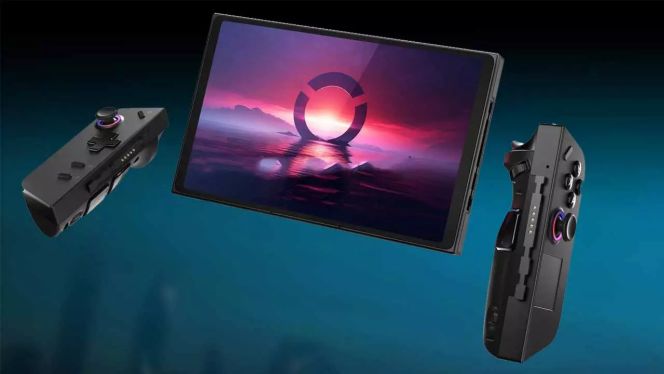
Lenovo has confirmed it will no longer release driver updates for its Legion Go handheld gaming device, a move that has sparked concern among users about the long-term viability of the platform. The announcement, initially made by Lenovo Korea, confirmed the end of software support without providing a specific rationale.
According to a statement from Lenovo Korea, the decision stems from hardware differences between the Legion Go and the newer Legion Go S. BIOS and driver files are not interchangeable between the two models. The company is now directing users to either rely on generic drivers available through AMD’s website or utilize Windows Update and Lenovo Vantage for system maintenance, acknowledging that AMD drivers may not always be compatible with the Legion Go’s Z1 Extreme chip.
“We sincerely thank you for using our products and sharing valuable feedback,” the Lenovo Korea statement reads. “We recommend checking for necessary system updates through official channels such as Windows Update and Lenovo Vantage. If you need the latest graphics driver, we recommend downloading and installing the latest universal graphics driver directly from the AMD official website. But, since the device uses a Z1 chipset, if the driver provided by AMD is not compatible, please use the updated version via Windows and Lenovo Vantage.”
The Legion Go, released in late 2023, features the AMD Ryzen Z1 Extreme processor. Despite being a more recent device than the Legion Go S, which utilizes a different AMD system-on-chip, it is receiving the cessation of driver support first. Lenovo has cautioned against using driver updates intended for the Legion Go S on the original Legion Go due to these hardware discrepancies.
The suspension of driver updates does not render the Legion Go inoperable, but it does mean users will likely miss out on future optimizations and performance improvements in newer game titles. This development contrasts with ongoing support for other handheld gaming PCs powered by AMD’s Z1 series chips, such as the ASUS ROG Ally and Ally X, which continue to receive regular software updates.
The situation raises questions about AMD’s broader commitment to supporting its Z1 and Z1 Extreme processors, as reported by Ubergizmo. Reports suggest that AMD may be deprioritizing driver support for these chips, leaving users reliant on aging drivers. This comes as competitors utilizing Intel Meteor Lake chips, like the MSI Claw, continue to receive frequent updates, including support for technologies like XeSS 3.
Lenovo has also recently begun pre-orders for a SteamOS version of the Legion Go S, but that model is powered by the older AMD Ryzen Z1 Extreme chip, raising concerns about its long-term performance, and support. Laptop Mag has described the Windows 11 version of the Legion Go S as a “trap” due to its price point and the capabilities of the Z1 Extreme processor.
