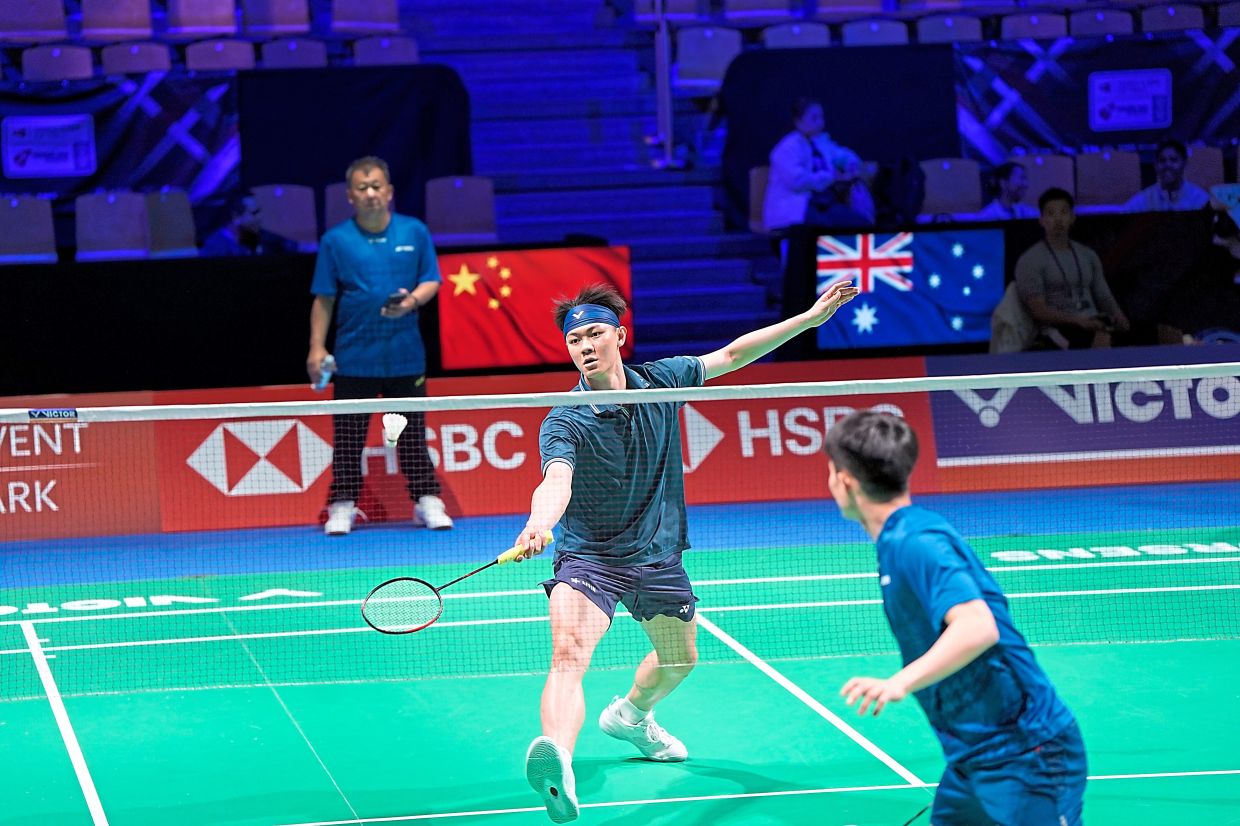
Lee Zii Jia to Continue Training at ABM
Lee Zii Jia, an independent men’s singles shuttler, has been invited by the Badminton Association of Malaysia (BAM) to resume training at the Academy Badminton Malaysia (ABM). The move, pending council approval, seeks to integrate Zii Jia’s elite capabilities with the national squad’s structured high-performance environment in Petaling Jaya.
The return of a marquee talent to the national fold is rarely a simple handshake; it is a complex negotiation of brand equity, administrative jurisdiction, and tactical alignment. While the sentiment from BAM is welcoming, the operational reality involves navigating a commercial deadlock. The primary friction point is the sponsorship divide: Zii Jia operates under a private contract with Victor, while the national squad is tethered to Yonex. This creates a visual and contractual clash that requires a sophisticated legal carve-out to ensure that an independent athlete can utilize state-funded facilities without violating the exclusivity clauses of the national governing body’s partners.
The Commercial Collision: Sponsorship and Brand Equity
In the world of elite badminton, the racket and shuttlecock are more than equipment; they are the centerpieces of multi-million dollar endorsement deals. For BAM, allowing a player draped in Victor gear to train alongside a Yonex-sponsored squad is a calculated risk. It signals a shift toward a more flexible, athlete-centric model, but it likewise necessitates a delicate balancing act with corporate stakeholders. When independent players seek integration, the resulting “brand vacuum” often requires the intervention of specialized sports contract lawyers to draft bespoke usage agreements that protect both the athlete’s private revenue streams and the association’s institutional partnerships.
This tension is not unique to Malaysia. Across the Badminton World Federation (BWF) circuit, the rise of the “independent professional” has forced national associations to rethink their monopoly on talent. The decision to allow Zii Jia back into the ABM ecosystem suggests that BAM prioritizes competitive results and the “halo effect” of having a top-tier player in the gym over rigid sponsorship purity.
“The modern elite athlete is essentially a portable franchise. When a national body allows an independent player back into their high-performance center, they aren’t just providing a court; they are managing a merger of two different business models—the institutional and the entrepreneurial.”
Operational Framework: Independent vs. National Models
The Performance Committee at ABM now faces the task of determining Zii Jia’s integration level. The distinction between training with the “elite players” or the “back-up squad” is not merely about skill—it is about periodization and load management. Elite players follow a strict tapering schedule aligned with the BWF World Tour, whereas back-up squads focus on volume and developmental benchmarks. For Zii Jia, the goal is to maintain his peak while benefiting from the sparring intensity that only a national squad can provide.
To understand the logistical gap between these two paths, consider the following breakdown of the support structures involved:
| Feature | National Squad Model (ABM) | Independent Model (Zii Jia) |
|---|---|---|
| Funding Source | Government/Association Grants | Private Sponsorships/Prize Money |
| Equipment | Standardized (Yonex) | Bespoke/Contracted (Victor) |
| Coaching | Centralized Performance Staff | Private Coaches/Consultants |
| Medical Support | In-house Sports Science Team | External Specialists/Private Clinics |
| Scheduling | Association-mandated Calendar | Athlete-driven Tournament Selection |
This structural divide is where the physical risk increases. Independent players often lack the comprehensive, daily monitoring provided by a national sports science team. To avoid burnout or acute injury during this transition, athletes frequently supplement their training with high-performance sports medicine and recovery centers that offer advanced biomechanical analysis and cryotherapy.
Regional Economic Impact and Infrastructure
The concentration of elite talent in Petaling Jaya creates a localized economic surge. When a player of Zii Jia’s stature returns to ABM, it isn’t just a win for the scoreboard; it’s a catalyst for the surrounding infrastructure. The presence of high-profile athletes drives demand for premium nutrition, specialized physiotherapy, and high-end short-term housing. This “athlete migration” creates a lucrative niche for premium athlete hospitality and nutrition services that can cater to the stringent dietary and privacy requirements of world-class competitors.
the synergy between the independent and national players at ABM elevates the overall training intensity. In sports science, What we have is known as the “competitive contagion” effect, where the presence of a top-ranked outlier forces the rest of the squad to elevate their tactical output and physical conditioning. This ripple effect benefits the entire Malaysian badminton pipeline, potentially increasing the marketability of the sport within the region and driving higher broadcast valuations for local tournaments.
Tactical Integration and the Performance Committee
Datuk Kenny Goh has clarified that the specifics of the training program will be dictated by the performance committee. From a tactical standpoint, the committee must decide if Zii Jia requires a customized “silo” program or full integration. Full integration allows for maximum sparring diversity but risks disrupting the established hierarchy and psychological flow of the national squad. A siloed approach provides the necessary facilities while maintaining a professional distance.
The technical focus will likely center on “load management”—the precise calibration of training intensity to prevent overtraining syndrome. Given the rigors of the professional circuit, the committee will likely employ optical tracking and heart-rate variability (HRV) data to ensure Zii Jia’s integration does not lead to a performance dip during critical tournament windows. This level of precision is why many professionals now look toward sports law and regulatory bodies to ensure that their training agreements are transparent and protect their health interests.
As Zii Jia navigates this return to ABM, the trajectory of his career will depend on whether the administrative hurdles can be cleared as efficiently as his smashes. The ability of BAM to blend the independence of a modern star with the structure of a national academy will serve as a blueprint for other sporting nations grappling with the “independent athlete” phenomenon. For those looking to support this ecosystem—whether through legal counsel, medical expertise, or corporate logistics—the World Today News Directory remains the premier resource for vetting the professionals who retain the world of elite sports moving.
Disclaimer: The insights provided in this article are for informational and entertainment purposes only and do not constitute medical advice or sports betting recommendations.