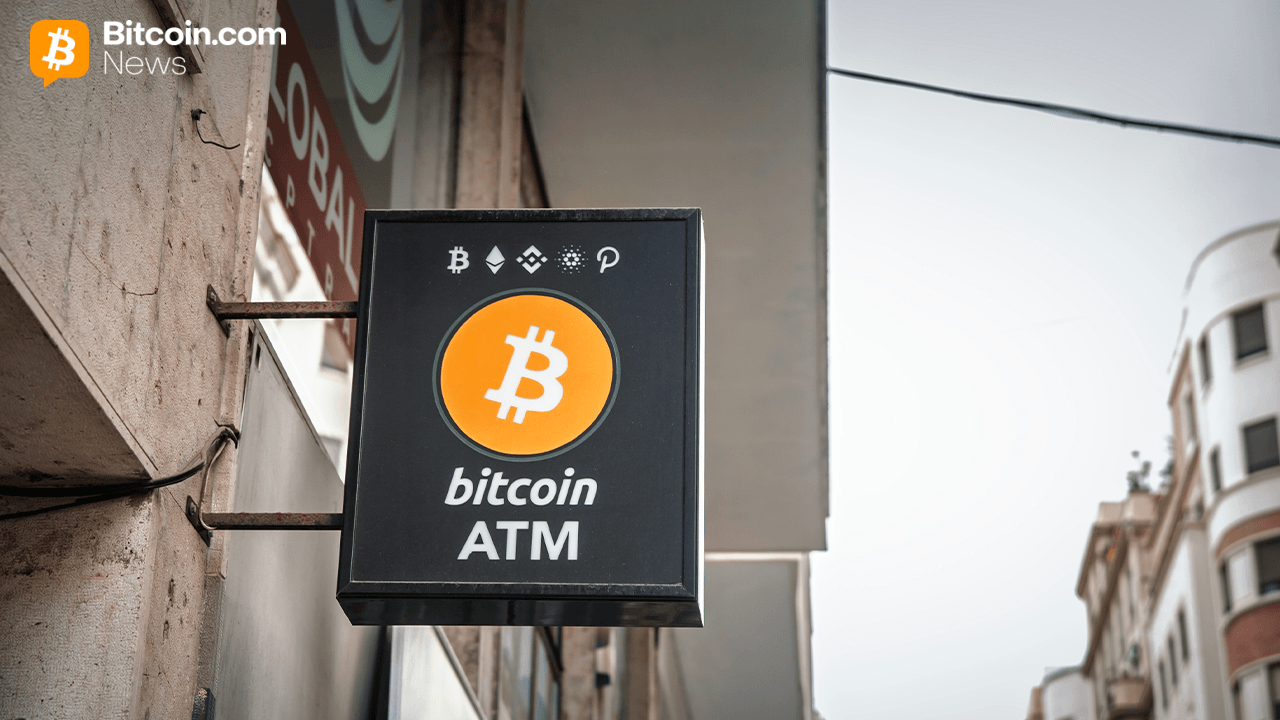
Le nombre de distributeurs automatiques de cryptomonnaies tombe à 38 928, 597 machines ayant disparu du marché au premier trimestre 2026
Global crypto ATM infrastructure contracted by 597 units in Q1 2026, settling at 38,928 machines. United States dominance remains absolute at 77.7% share. Regulatory friction and hardware maintenance costs drive consolidation among top operators like Bitcoin Depot. Market maturity favors compliant infrastructure over rapid expansion.
The physical layer of the digital asset economy is shrinking. While retail interest in Bitcoin and Ethereum persists, the hardware facilitating fiat-to-crypto on-ramps is undergoing a severe correction. Data recorded on March 29, 2026, reveals a net reduction of 597 machines year-to-date. This contraction signals a shift from growth-at-all-costs to sustainability. Operators are no longer betting on volume alone. They are optimizing for regulatory survival. This creates immediate friction for businesses relying on physical touchpoints for liquidity. Companies facing similar infrastructure headwinds often engage regulatory compliance counsel to navigate the shifting legal landscape before deploying capital.
Per the foundational data from Coin ATM Radar, the market began 2026 with a loss of 139 units in January. February offered a brief respite with 231 fresh installations. March proved decisive. Despite 80 new units coming online, 769 machines were decommissioned. The net result is a clear trend line: removals outpace installations by a significant margin. The threshold of 40,000 active machines remains out of reach. This suggests operators are prioritizing margin protection over market share expansion. High operational expenditures in non-performing locations are being slashed.
Geographic concentration presents a systemic risk. The United States hosts 30,247 units, commanding 77.7% of the global total. Canada follows with 3,839 machines, capturing 9.9% of the market. Europe trails significantly with 1,727 units. Together, these three regions account for 92% of all active crypto ATMs. Such heavy reliance on North American regulatory frameworks exposes the industry to localized policy shocks. Recent legislative moves, such as the regulatory tightening observed in Kentucky regarding hardware wallet providers, illustrate the vulnerability. A single jurisdiction can alter the profitability model for thousands of machines. Enterprise risk managers monitor these geopolitical clusters closely.
Consolidation is the defining theme of 2026. The top ten operators collectively manage 30,450 machines, representing 78.2% of the global network. Smaller players are being squeezed out. Bitcoin Depot leads the sector with 9,246 machines, holding a 23.8% market share. Coinflip secures the second position with 5,493 units, while Athena Bitcoin maintains 4,045 machines. The disparity between the leader and the rest of the pack is widening. Economies of scale allow larger firms to absorb compliance costs that cripple smaller competitors. Mid-market operators facing this pressure frequently consult M&A advisory specialists to explore defensive buyouts or strategic exits.
| Operator | Active Machines | Market Share | Strategic Focus |
|---|---|---|---|
| Bitcoin Depot | 9,246 | 23.8% | Volume & Compliance |
| Coinflip | 5,493 | 14.1% | Urban Density |
| Athena Bitcoin | 4,045 | 10.4% | Latin America & US |
| Rockitcoin | 2,757 | 7.1% | Regional Expansion |
| Bitstop | 2,372 | 6.1% | European Market |
Asset support remains heavily skewed toward Bitcoin. Nearly every machine tracked supports BTC. Still, altcoin integration is becoming a standard differentiator. Ethereum is supported at 22,200 locations. Litecoin follows with 21,292 locations. Tether (USDT) availability stands at 19,894 locations. The data indicates that 91.6% of machines are configured for buy-only transactions. This one-way flow limits utility for users seeking liquidity exit points. Only a minority of terminals support two-way trading. This imbalance restricts the ATM network from functioning as a true market maker. It serves primarily as a distribution channel.
Industry sentiment reflects this maturation phase. During a recent roundtable on digital asset infrastructure, a Senior Director at a top-tier custody firm noted,
“The era of wild west deployment is over. We are seeing a flight to quality where hardware uptime and regulatory adherence matter more than raw unit count. Operators who cannot prove compliance will lose their banking rails.”
This perspective underscores the capital intensity required to maintain operations. Banking relationships are the lifeline of ATM operators. Without them, machines become useless metal boxes. Securing these partnerships requires robust internal controls and audit trails.
Hardware maintenance and logistics also drive the exodus. Deploying a machine is capital intensive. Keeping it running requires constant connectivity, cash management, and security protocols. As margins compress, the return on investment for remote or low-volume locations turns negative. Operators are pulling units from underperforming sites to redeploy capital elsewhere. This optimization process benefits fintech infrastructure providers who offer remote management software and predictive maintenance tools. Efficiency is the new growth metric.
The remaining 8% of the market, spread across Asia, Oceania, and other regions, offers limited diversification. The industry remains tethered to North American economic conditions. If the US Federal Reserve adjusts interest rates or if SEC enforcement actions intensify, the ripple effects will be global. Investors analyzing this sector must account for this correlation. The reduction in ATM count does not necessarily signal a bear market for crypto assets. Instead, it indicates a shakeout in the service layer surrounding those assets. The speculative froth is clearing.
Looking ahead to Q2 2026, the focus will shift to profitability per unit rather than total network size. Operators who survive this contraction will emerge with stronger balance sheets and clearer regulatory standing. For businesses navigating similar infrastructure challenges, the lesson is clear: growth without compliance is a liability. The World Today News Directory connects enterprises with the vetted partners needed to stabilize operations during market corrections. Whether seeking legal protection or technological upgrades, the right B2B alliance determines survival.