
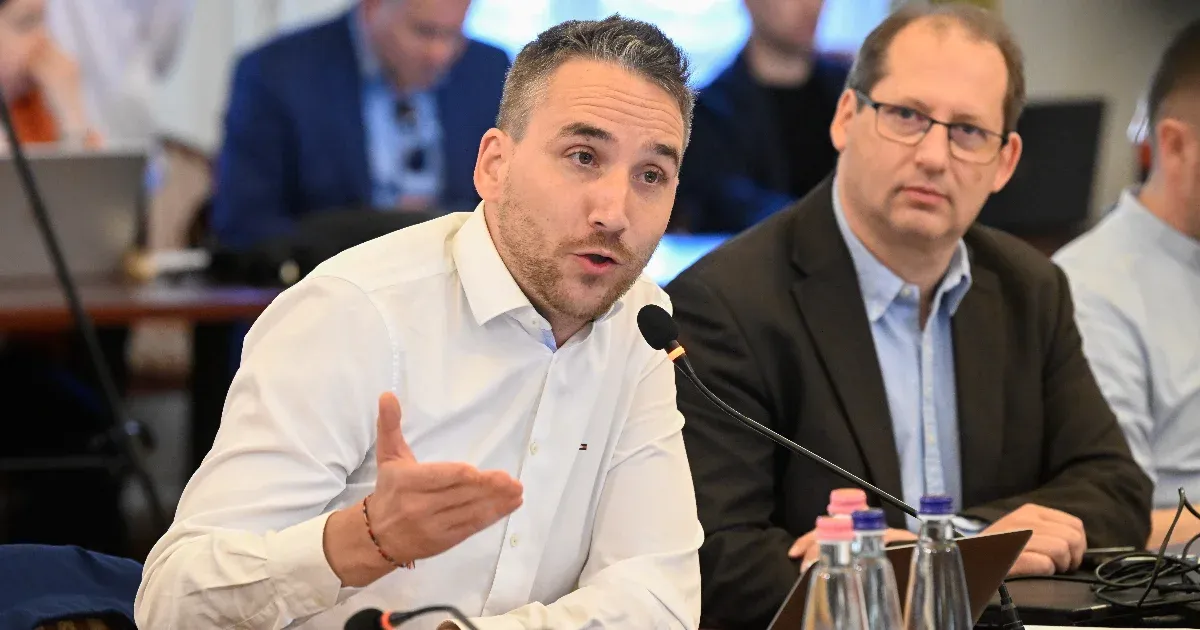
Hungarian Politician Richard Barabás Defends Pride Amid Government Opposition
Richard Barabás, co-chairman of the Dialogue Greens Party Association, has affirmed that the annual Pride parade will proceed as planned on June 28, despite ongoing efforts by the Hungarian government to undermine the event. This declaration comes in response to increasing concerns about LGBTQ+ rights and visibility in the country.
Barabás Responds to Government Criticism
in an interview, Barabás addressed an open letter from Minister of Transport János Lázár, who expressed hope that Pride would not be held even in Kincsem Park. Barabás noted that while he didn’t receive a direct response from Lázár, he observed significant reaction on social media platforms.
Did You Know? According to a 2023 ILGA-Europe report, Hungary ranks low in terms of LGBTQ+ equality compared to other European Union member states, highlighting the ongoing challenges faced by the community ILGA-Europe.
Barabás criticized Lázár’s stance, suggesting that the minister’s lack of personal experience with Pride events may contribute to his negative perceptions.”I don’t think he knows what’s on Pride because he has never been there before,” Barabás stated.
“And I also guarantee him that no one will want to suck. it is indeed a pity to worry about this publicly so much. It sounds stronger now, but these sentences have to sound now because we can’t tolerate oppression.”
Pride as a Social Movement
Barabás highlighted the significance of Pride month as a widespread social event in Western Europe, where institutions like universities and companies actively support the LGBTQ+ community. While acknowledging that Hungary has not yet reached the same level of acceptance, he expressed optimism about incremental progress.
He emphasized that the government’s rhetoric fosters both anxiety and defiance, which motivates many individuals to participate in the march for the frist time. This year’s event is expected to draw significant participation as a result.
Overcoming Shame and Promoting Visibility
According to Barabás, Pride is fundamentally about overcoming shame and embracing one’s true identity, rather than solely focusing on sexuality. He refuted the notion that Pride events could influence someone’s sexual orientation, drawing an analogy to religious processions.
He also rejected the government’s use of child protection arguments to justify restrictive measures, asserting that targeting the rights of a minority group constitutes genuine oppression. The recent anti-LGBTQ+ legislation has been criticized by human rights organizations for violating international standards human Rights Watch.
Personal Experiences and Political Representation
Barabás shared his personal experience of grappling with his sexual identity as a child,noting the absence of supportive language and role models. He underscored the importance of providing children with stories and representations that facilitate self-acceptance.
He stressed that genuine political representation involves actively advocating for LGBTQ+ rights, rather than simply including gay individuals as “ornaments” within a party. He clarified that he seeks meaningful action and support, not mere symbolic gestures.
Historical Perspective and the Fight for Rights
Drawing a parallel to Rosa Parks’ act of defiance, Barabás emphasized the importance of standing up for one’s rights, even in the face of adversity. He argued that inaction perpetuates the status quo, while collective action drives meaningful change.
Pro Tip: Engage with local LGBTQ+ organizations to learn how you can support their initiatives and advocate for equality in yoru community.
Pride Parade Details
The Pride parade is scheduled for june 28. Participants are expected to gather at a central location before marching through the city. Organizers are coordinating with local authorities to ensure a safe and peaceful event.
| Event | Date | Location | Purpose |
|---|---|---|---|
| Pride Parade | June 28 | To be announced | Advocate for LGBTQ+ rights |
The event aims to promote visibility, acceptance, and equality for the LGBTQ+ community in Hungary.
What are your thoughts on the importance of pride events in today’s society?
How can individuals and organizations better support LGBTQ+ rights in Hungary and beyond?
Evergreen Insights: Background, Context, and Historical Trends
The fight for LGBTQ+ rights in Hungary has faced significant challenges in recent years, with the government enacting laws that have been criticized for discriminating against the community. despite these obstacles, the Pride movement continues to grow, with increasing numbers of people participating in events and advocating for change. Historically,LGBTQ+ individuals in Hungary have faced stigma and discrimination,but the ongoing efforts of activists and organizations are gradually shifting public attitudes and promoting greater acceptance.
Frequently Asked Questions About Pride in Hungary
- What is the main goal of the pride parade in Hungary?
- The main goal is to promote visibility, acceptance, and equality for the LGBTQ+ community, advocating for their rights and challenging discrimination.
- How has the Hungarian government responded to Pride events?
- The Hungarian government has been criticized for enacting laws that restrict LGBTQ+ rights and for creating a opposed surroundings for the community.
- What role do international organizations play in supporting LGBTQ+ rights in Hungary?
- International organizations like ILGA-Europe and Human Rights Watch monitor the situation in hungary and advocate for the protection of LGBTQ+ rights,frequently enough condemning discriminatory legislation.
- How can individuals support the LGBTQ+ community in Hungary?
- Individuals can support the LGBTQ+ community by participating in Pride events, donating to LGBTQ+ organizations, and advocating for policy changes that promote equality.
- what are some of the key challenges facing the LGBTQ+ community in Hungary today?
- Key challenges include legal discrimination, social stigma, and a lack of representation in politics and media.
Share this article and join the conversation! What steps can be taken to foster greater inclusivity and acceptance for the LGBTQ+ community in Hungary?
