Latvian Ports Risk Losing Central Asian Cargo If Transit Restrictions Occur
Latvian ports risk losing critical freight from Central Asia if the government enacts unilateral restrictions on Russian transit routes, according to industry warnings.
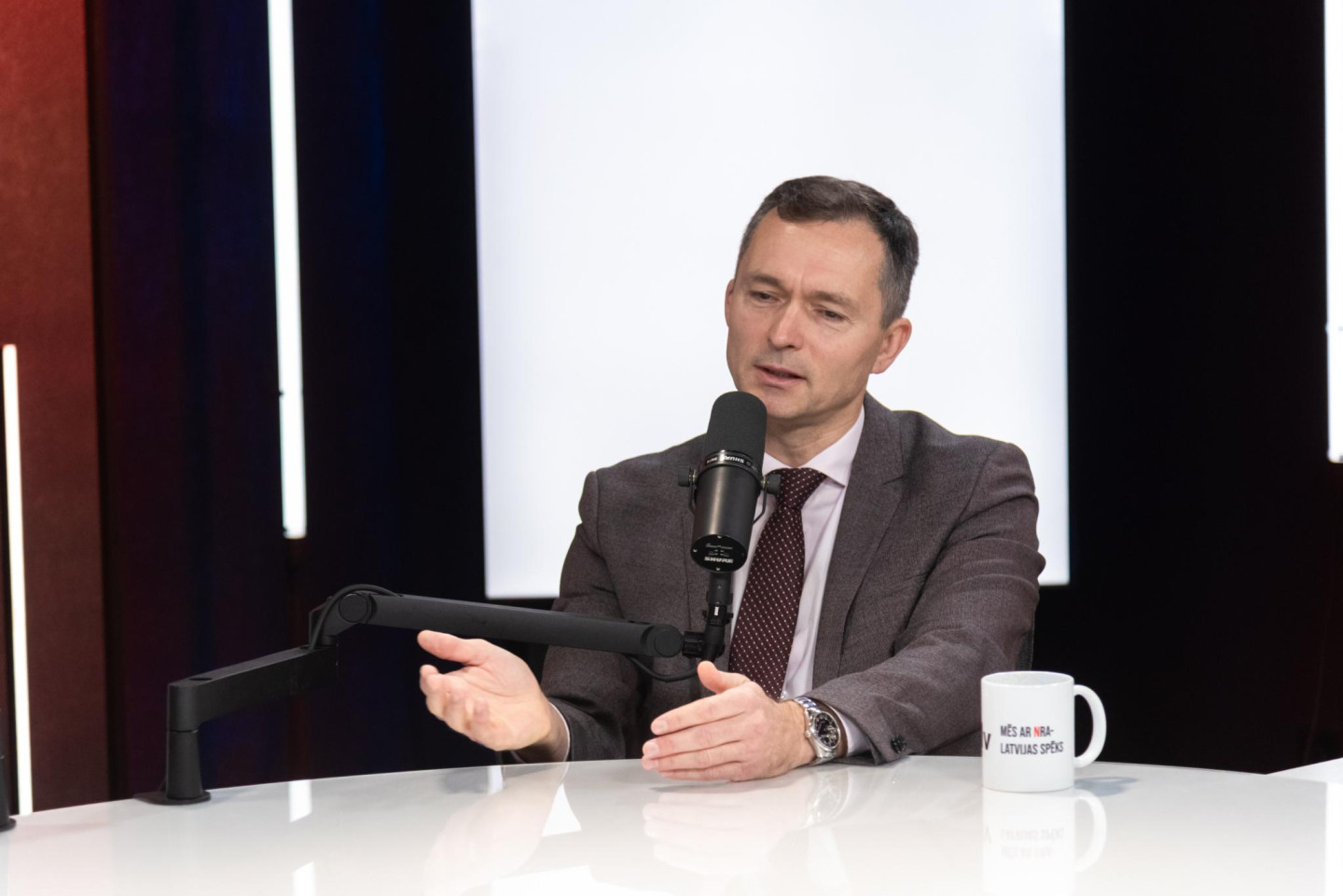
Unilateral state restrictions on Russian transit could inadvertently sever supply chains connecting Central Asian markets to Baltic maritime terminals. Jānis Kasalis, president of the Latvian Stevedoring Companies Association, explained to nra.lv that agricultural goods and other commodities from Kazakhstan and Uzbekistan rely entirely on corridors passing through Russia to reach the Baltic Sea.
Stevedoring companies operate within port infrastructure to load and unload cargo vessels across Latvia’s three major ports in Riga, Liepāja, and Ventspils, alongside roughly seven smaller ports including Skulte, Salacgrīva, and Mērsrags. Kasalis told nra.lv that these trade dependencies recur periodically as political milestones and elections approach, mirroring debates from approximately three years ago.

“If we look specifically at the direction of Russia and start restricting something unilaterally, we mostly risk losing those cargo shipments that come from Central Asia, including Kazakhstan, because unfortunately they all reach us through Russia.”
said Kasalis, president of the Latvian Stevedoring Companies Association, to nra.lv.
Avots told DELFI that proving a direct link between the transit trade and hybrid warfare remains a complex legal exercise. Gundars Kalve, an agricultural producer and organizer of the “No to Blood Grains” public protest, told DELFI that powerful commercial interests actively work to keep the trade corridors open.
| Origin Country | 2025 Volume (10 Months) | 2026 Volume (10 Months) |
|---|---|---|
| Russian Federation | 357,645 tonnes | 1,115,000 tonnes |
| Republic of Belarus | 60.8 tonnes | 185,756 tonnes |
Belarusian grain shipments through the country experienced a multiple-fold increase over the same timeframe.
Halting maritime freight operations would trigger severe fiscal contractions for municipal and national coffers alike. According to a special economic zone administration assessment cited by Press.lv, Liepāja’s municipal budget would lose from 2.8 to 4 million euros annually in personal income tax revenue.

National fiscal losses would compound rapidly through unpaid social contributions, fuel excise duty reductions, and mandated unemployment benefit payouts. Press.lv reported that the total negative effect on public finances is estimated between 22 and 32 million euros annually.