
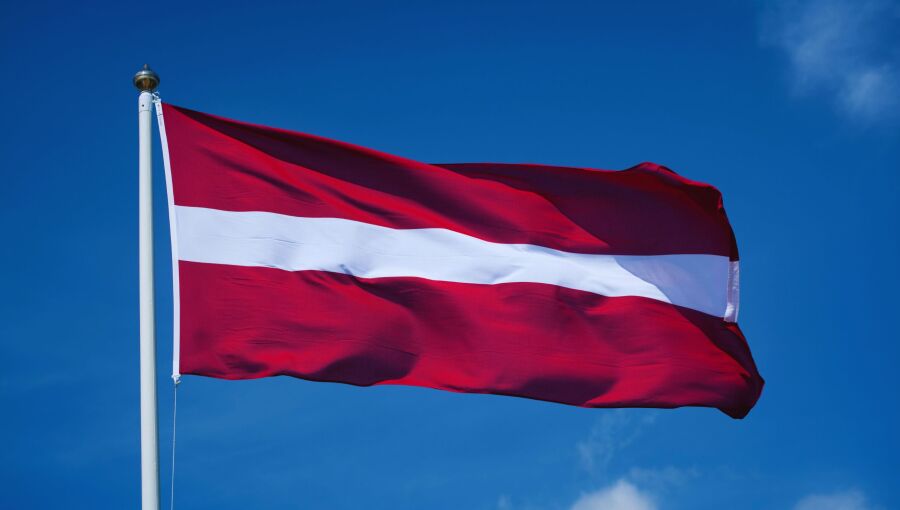
latvia Declares Emergency for Agriculture Amidst Mounting Climate-Related Losses
Riga, Latvia – November 8, 2023 – The Latvian government has officially declared a state of emergency for the nation’s agricultural sector, responding to escalating financial hardship caused by repeated extreme weather events. The declaration, approved by the Saeima (Latvian Parliament) on November 7th, aims to unlock emergency funding and support mechanisms for struggling farmers.
This action follows several consecutive years of devastating weather impacts, including prolonged droughts in 2022 and 2023, unusually heavy rainfall and flooding in 2021, and late-season frosts in spring 2023. According to data released by the Central Statistical Bureau of Latvia, agricultural output decreased by 18.7% in the second quarter of 2023 compared to the same period last year, largely attributed to unfavorable weather conditions. The Ministry of Agriculture estimates total losses across the sector to exceed €85 million this year alone.
Latvia’s agricultural landscape is dominated by small and medium-sized farms – over 90% of farms are under 10 hectares, according to the European Commission’s 2022 agricultural census data. This structure makes the sector particularly vulnerable to climate shocks, as farmers often lack the financial reserves to absorb notable losses. Key crops affected include grain (wheat, barley, rye), potatoes, and milk production, with significant impacts felt in regions like Kurzeme and Latgale, which rely heavily on agriculture.
Currently, no dedicated national fund exists to provide rapid financial assistance to farmers impacted by climate-related disasters. The emergency declaration is intended to address this gap, allowing the government to redirect existing funds and explore the creation of a long-term disaster relief mechanism. Discussions are underway regarding potential support measures, including direct payments to farmers, tax relief, and subsidized loans.
The situation highlights Latvia’s broader vulnerability to climate change. A 2021 report by the Latvian Habitat, Geology and Meteorology Center projected a rise in average temperatures of 1.5-3°C by 2050, alongside an increase in the frequency and intensity of extreme weather events. Experts at the Baltic Studies Centre emphasize the need for proactive adaptation strategies,including investment in drought-resistant crop varieties,improved irrigation systems,and enhanced weather forecasting capabilities. The declaration serves as a critical first step, but long-term resilience will require a complete national climate adaptation plan.
Agriculture Minister Kaspars Gerhards emphasized the urgency of the situation, stating, “This emergency declaration is not simply about addressing immediate losses; it’s about safeguarding the future of Latvian agriculture and ensuring food security for our nation.” The government is also seeking support from the European union’s Common Agricultural Policy (CAP) to supplement national efforts.
