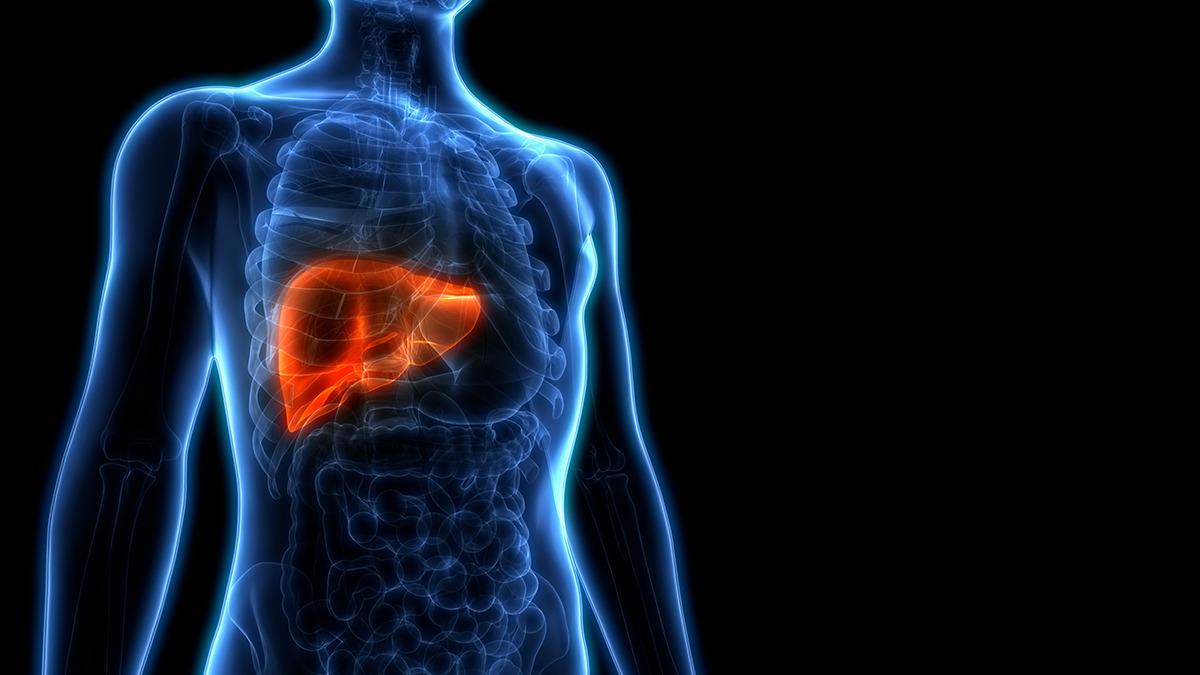
Late-Night Eating Increases Liver Disease Risk by Up to 30 Percent, Study Warns
Adults who consume meals immediately before sleeping face a 20 to 30 percent higher prevalence of liver disease compared to individuals without this habit, according to a large-scale study published in Clinical Gastroenterology and Hepatology.
- The elevated risk spans fatty liver disease and cirrhosis, highlighting the metabolic consequences of misaligned eating schedules.
- Investigators emphasize that shifting meal times earlier, rather than altering diet content, represents a primary avenue for future clinical trials.
Late Eating Increases Fatty Liver and Cirrhosis Risk
The investigation drew upon data from three large U.S. population analyses: the Nurses’ Health Study, the Nurses’ Health Study II, and the Health Professionals Follow-Up Study. By examining the self-reported dietary patterns of approximately 200,000 individuals, the OHSU research team established a statistical link between late-night eating and hepatic pathology. Participants who reported regular eating after dinner or close to bedtime demonstrated a 20 to 30 percent increase in the occurrence of fatty liver conditions and cirrhosis relative to non-late eaters.
Dietary habits in the evening hours frequently extend beyond physiological hunger. Speaking to Yeni Ankara, dietitian Bulut Güzel explained that nocturnal cravings often stem from underskipped daytime meals, heightened daily stress, sleep deprivation, or ingrained behavioral loops tied to evening routines. Building upon this, dietitian Ayça Doğandemir told Türkinform that individuals who cannot return to sleep without consuming food frequently exhibit restricted daytime caloric intake or insufficient protein, fiber, and healthy fats during their evening meals.
Nighttime Eating Strains Hepatic Metabolic Pathways
The liver operates under tight regulation by the body’s biological clock, a master circadian system that also governs sleep architecture, cellular energy use, and metabolic processes throughout a 24-hour cycle. When food ingestion occurs during the biological night—a phase when the body normally prepares for restorative rest—metabolizing macronutrients places an added strain on hepatic pathways. Dr. Robert Wilechansky, a liver transplantation specialist and lead author of the study at OHSU, noted that the research specifically sought to determine whether modifying when people eat, independent of changing what they consume, yields measurable health benefits.
Co-author Andrew McHill, an OHSU researcher specializing in sleep and circadian biology, observed that consuming meals while the body’s internal clock actively promotes sleep hinders efficient nutrient processing. Over extended periods, this circadian mismatch contributes to systemic metabolic dysfunction, increasing vulnerability to obesity, diabetes, and progressive deterioration in liver integrity. Türkiye Gazetesi reported that while fatty liver disease affects a broad segment of the population, only a fraction of diagnosed individuals develop severe downstream complications such as cirrhosis.
Clinical Perspectives on Behavioral Interventions
Addressing late-night eating requires examining both physiological cues and psychological drivers. Güzel cautioned against viewing midnight snacking purely as an issue of personal willpower, recommending instead that patients evaluate their daily nutritional intake and environmental triggers. For individuals experiencing involuntary nocturnal awakenings accompanied by an urgent need to eat, Doğandemir emphasized the necessity of ruling out distinct sleep-related eating disorders where patients lack full waking awareness of their nighttime consumption.

While the current observational data establishes a correlation between late-night eating and increased hepatic risk, investigators say these findings do not yet prove direct causation. Ongoing scientific inquiry aims to track specific patient cohorts adjusting their evening eating windows to measure direct changes in liver fat accumulation. In the interim, establishing consistent meal timing that respects the body’s natural circadian phase remains a prudent clinical consideration for safeguarding long-term metabolic health.
Disclaimer: The information provided in this article is for educational and scientific communication purposes only and does not constitute medical advice. Always consult with a qualified healthcare provider regarding any medical condition, diagnosis, or treatment plan.