
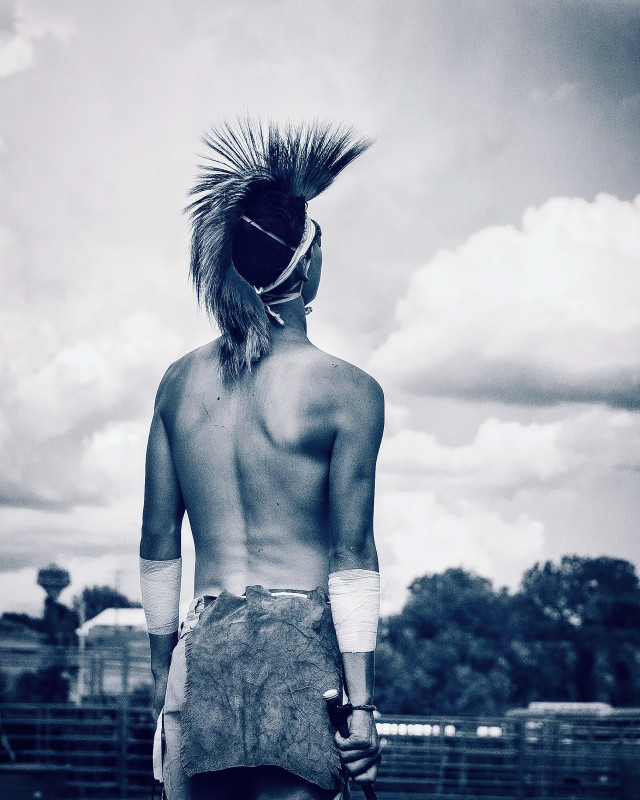
LA JOLLA SHORES, CA – In an unlikely convergence of cultures, five young Lakota men from the Pine Ridge Reservation in South Dakota experienced their first time surfing at La Jolla Shores, guided by surfing legend Joel Tudor and Hawaiian waterwoman Ewe Long. The impromptu surf session arose from a logistical challenge during a trip to San Diego for the Indian Relay Petco Rodeo in 2024, where an equine tragedy led to the event’s cancellation.
The experience was facilitated by Nate Bressler, a photographer and founder of Sage to Saddle, a non-profit organization dedicated to supporting Lakota youth through horsemanship programs. Bressler, who has been working with the Oglala Lakota community since 2018, initially connected with legendary Lakota horseman Stan Brewer while on assignment for Outside magazine covering Indian Relay racing. Their collaboration led to the creation of Sage to Saddle, aiming to provide a safe and constructive environment for young people on the Pine Ridge Reservation.
“When it floods, people are rescued on horseback. It’s the Wild West out here,” Bressler said, describing the challenging conditions on the reservation, one of the poorest counties in the United States. According to Bressler, unemployment rates on Pine Ridge exceed 80%, and the community faces significant challenges related to crime, life expectancy, alcoholism, and suicide, particularly during the harsh winter months.
After the Indian Relay event was called off, Bressler contacted Tudor, a longtime friend, hoping to salvage the trip for the young men. Tudor, known for his longboarding style and influence in the surfing world, readily agreed. He secured soft-top surfboards and wetsuits from Surf Ride, and within hours, the group was in the water at La Jolla Shores.
“I taught my kids and my nephews, but I don’t normally teach people,” Tudor explained. “Nate is an old friend though and what he is doing with those kids is incredible, I was happy to support them out.” For the Lakota men, it was their first time traveling west of Wyoming and their first encounter with the ocean.
The cultural exchange extended beyond the waves. Ewe Long, a respected figure in Hawaiian surfing culture, connected with the Lakota youth through language. She spoke to them in Hawaiian and inquired about their native Lakota language, sparking a deeper connection and mutual respect.
Sage to Saddle was born from a vivid dream Bressler experienced while camping under the Sundance Tree, a sacred site for the Lakota, in August 2018. He envisioned a sprawling ranch with an indoor arena, providing a year-round space for Lakota youth to connect with horses and continue a cultural tradition deeply rooted in their history. The Lakota were renowned as skilled horsemen, famously defeating General Custer at the Battle of Little Bighorn.
The program aims to address the challenges faced by Lakota youth, offering a positive alternative to the hardships of life on the reservation. In the winter, when opportunities are scarce, Sage to Saddle provides a safe haven for learning horsemanship, completing schoolwork, and building community. The organization as well facilitates participation in Indian Relay races and rodeos, fostering a sense of pride and cultural identity.
“Horses for Native American people are therapeutic. It’s just a natural connection we have with them that can do so much for a person,” said Stan Brewer, co-founder of Sage to Saddle. Bressler echoed this sentiment, emphasizing the importance of providing a space where Lakota youth can discover their voice and build character. “Riding may not solve all their problems but it’s a rare chance for positive reinforcement and identity building.”
Sage to Saddle continues to expand its reach, currently working with over 100 children and young adults. The organization is actively seeking support to sustain its programs and further its mission of restoring a cultural legacy and fostering resilience within the Oglala Lakota community.
