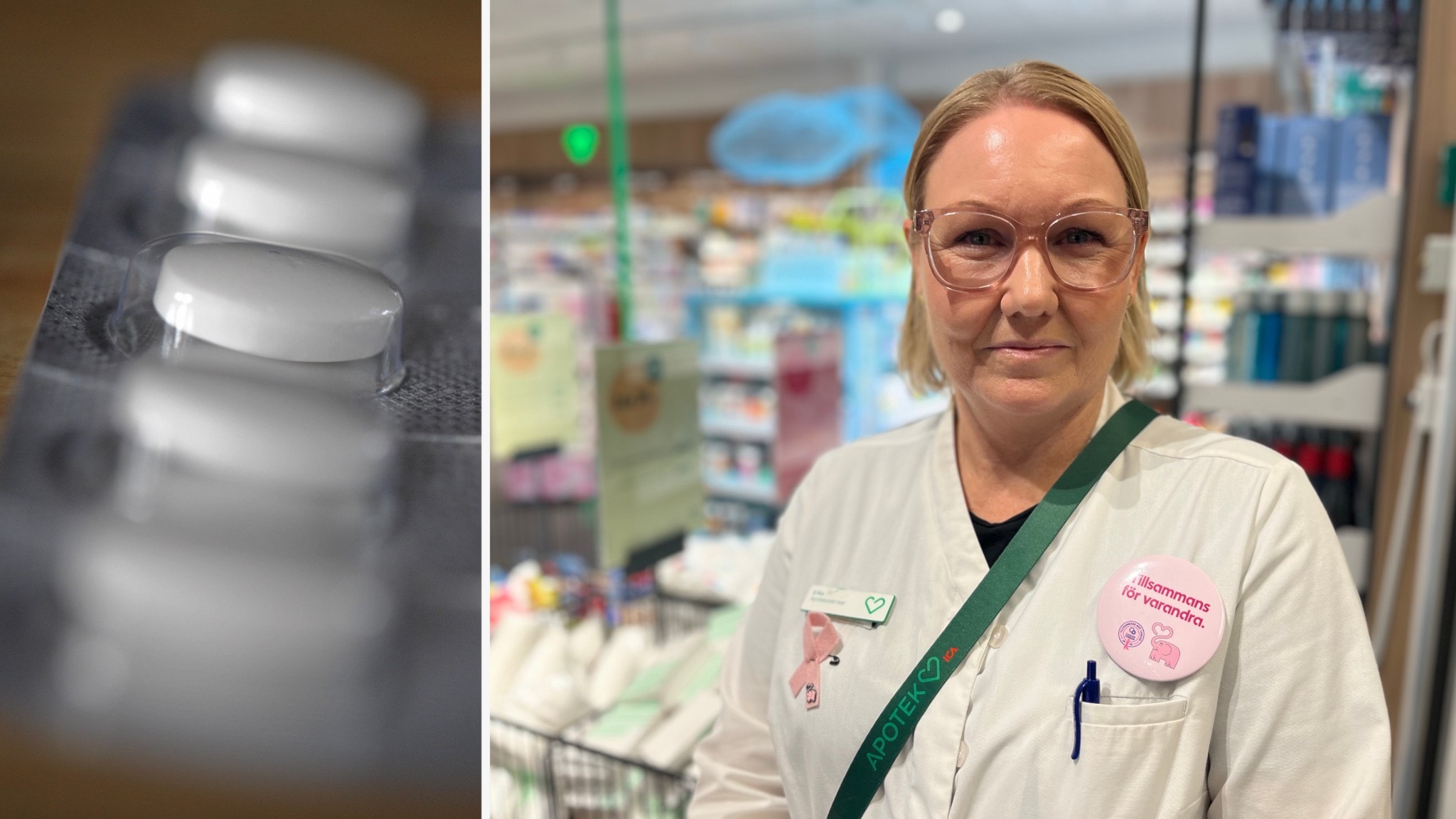
Läkemedelsverket has restricted sales of over-the-counter diarrhea medicine to two packages per
Läkemedelsverket has restricted sales of over-the-counter diarrhea medicine to two packages per person and removed the medication from open shelves, following reports that teenagers are using the drug to induce a high. Sveriges Radio reported that the misuse of the anti-diarrheal preparation can result in severe organ damage and has occasionally been linked to fatalities, according to pharmacy technician Erika Wandenfors.
- Läkemedelsverket limited over-the-counter diarrhea medication purchases to two packages per individual and pulled products from display shelves.
- Pharmacy staff note that current regulations prevent them from legally refusing sales to customers despite daily demand in locations like Kristianstad.
- A Verian survey commissioned by Apotek Hjärtat and published in October 2026 reveals that 83 percent of parents do not keep home medicines locked away.
Retail Restrictions and Daily Demand in Pharmacies
Pharmacies across Sweden face an ongoing challenge as customers continue to request the restricted anti-diarrheal medication. Sveriges Radio noted that while Läkemedelsverket has intervened by capping purchases at two packages per customer and taking the preparations off open sales floors, pharmacy staff still lack the legal authority to outright refuse sales when patrons request the product. Pharmacy technician Erika Wandenfors told Sveriges Radio that the practice among young people involves consuming excessive doses to achieve intoxication, a trend that carries severe clinical risks including organ damage and death.
Regarding the variety of household drugs available, Annika Svedberg, chief pharmacist at Apotek Hjärtat, explained that young individuals also misuse alternative non-prescription substances to lose weight quickly or induce altered states. These destructive usage patterns expose patients to severe physiological side effects. Concurrently, other standard household pharmaceuticals such as ibuprofen, naproxen, and acetylsalicylic acid present distinct clinical hazards when ingested in unauthorized quantities, regularly triggering gastrointestinal complications, dizziness, and lethargy that necessitate emergency medical evaluation.
Proactive Dialogue Helps Address Pharmaceutical Safety Hazards
As pharmacies manage the operational hurdles of restricted sales limits, it is unclear how effectively retail interventions can curb a trend driven by domestic availability. With nearly half of families failing to track pill inventories and the vast majority leaving medications unlocked, public health agencies and pharmacy networks continue to evaluate what measures will successfully bridge the gap between unrestricted retail access and adolescent safety.
Disclaimer: The information provided in this article is for educational and scientific communication purposes only and does not constitute medical advice. Always consult with a qualified healthcare provider regarding any medical condition, diagnosis, or treatment plan.